
Dean is nothing short of a miracle worker. I highly recommend his services, and will surely seek him out again during my next trip to my new home away from home.
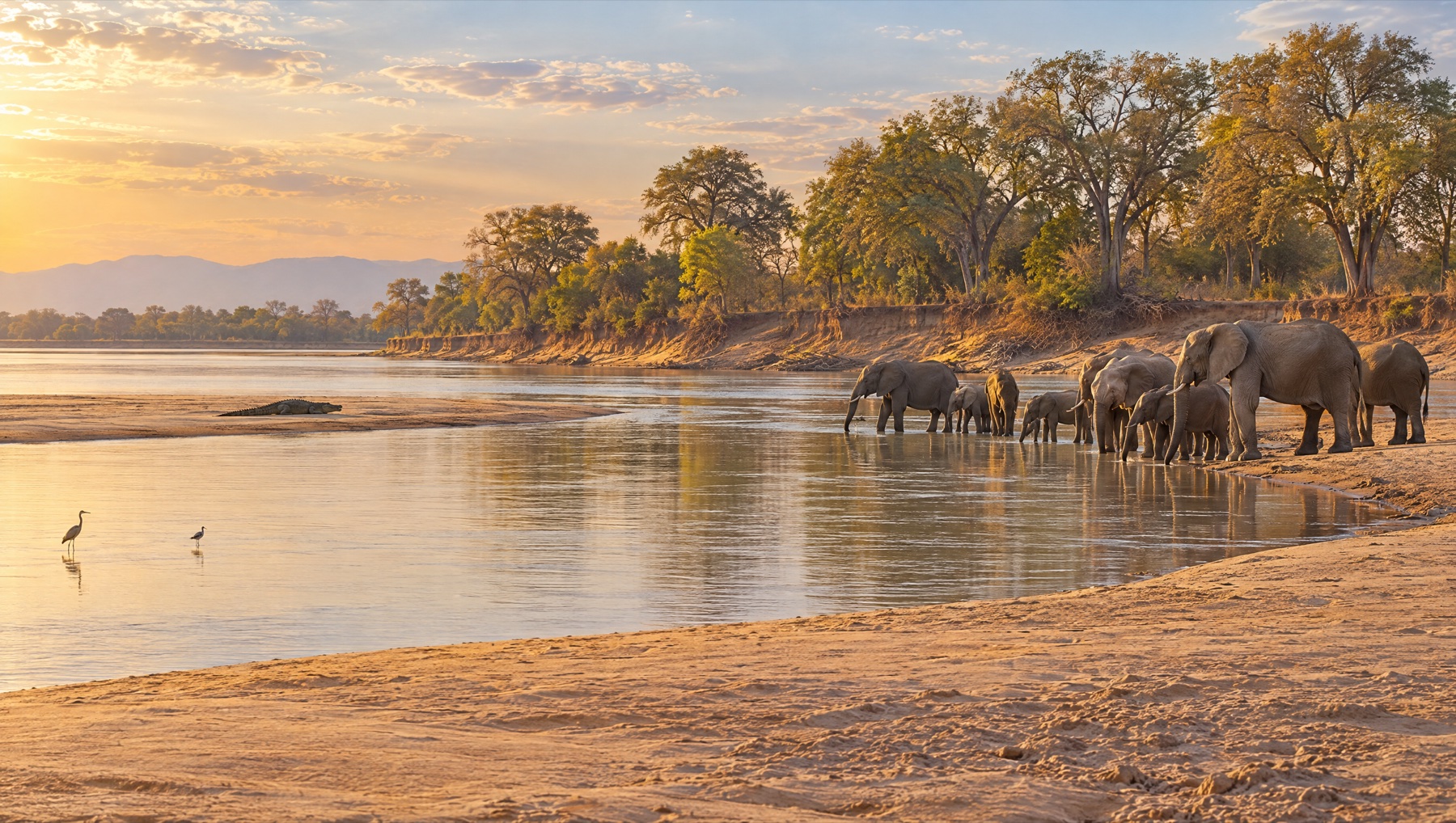
Zambia
The home of the walking safari. Africa on foot, on the river, and at the edge of the largest waterfall on earth, in a country most travelers have never considered.
Why Zambia.
Zambia is where the walking safari was invented, and it's still the best place in Africa to do it. Leave the vehicle, follow a guide and an armed scout into the bush, and every sense wakes up.
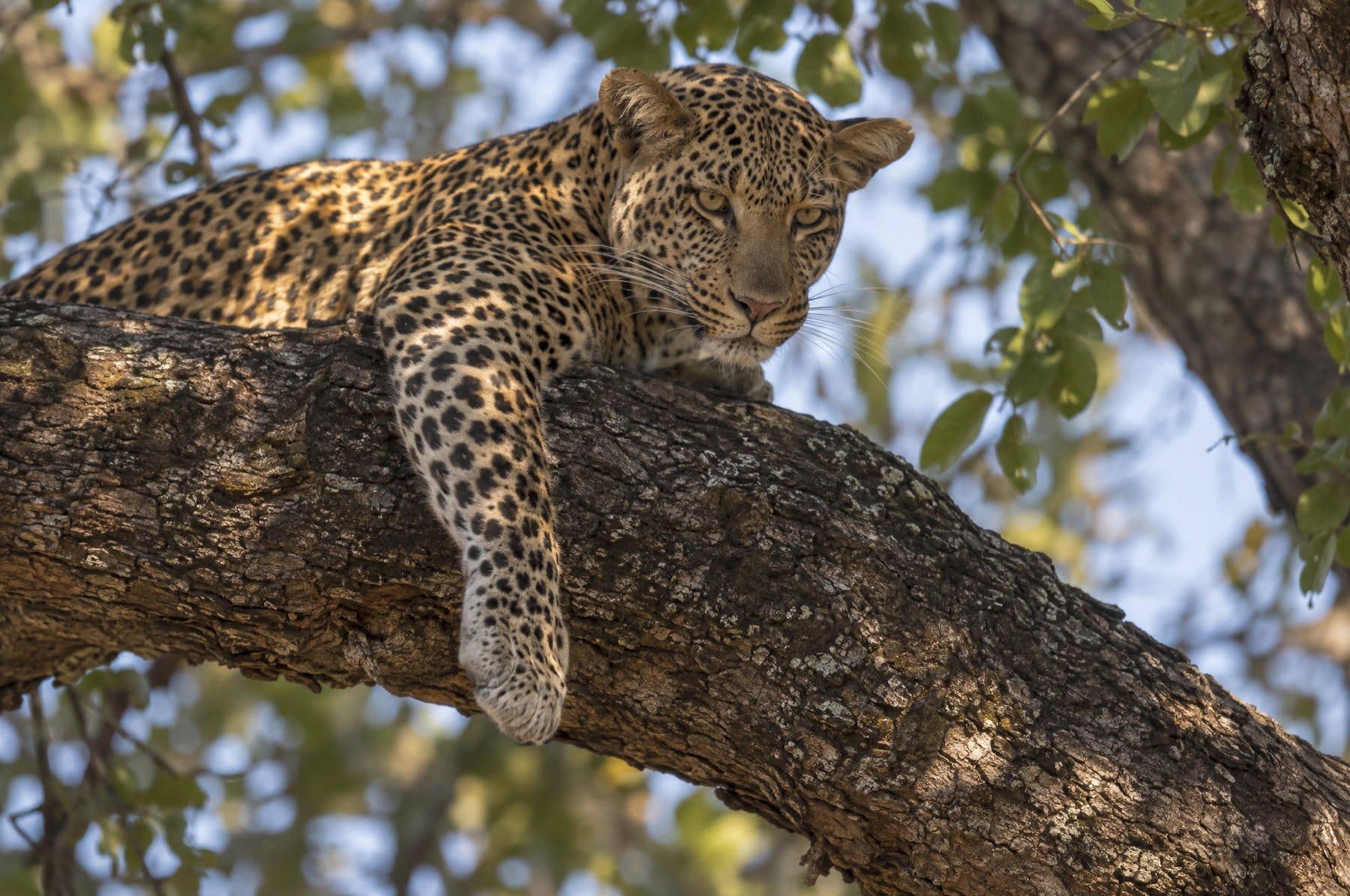
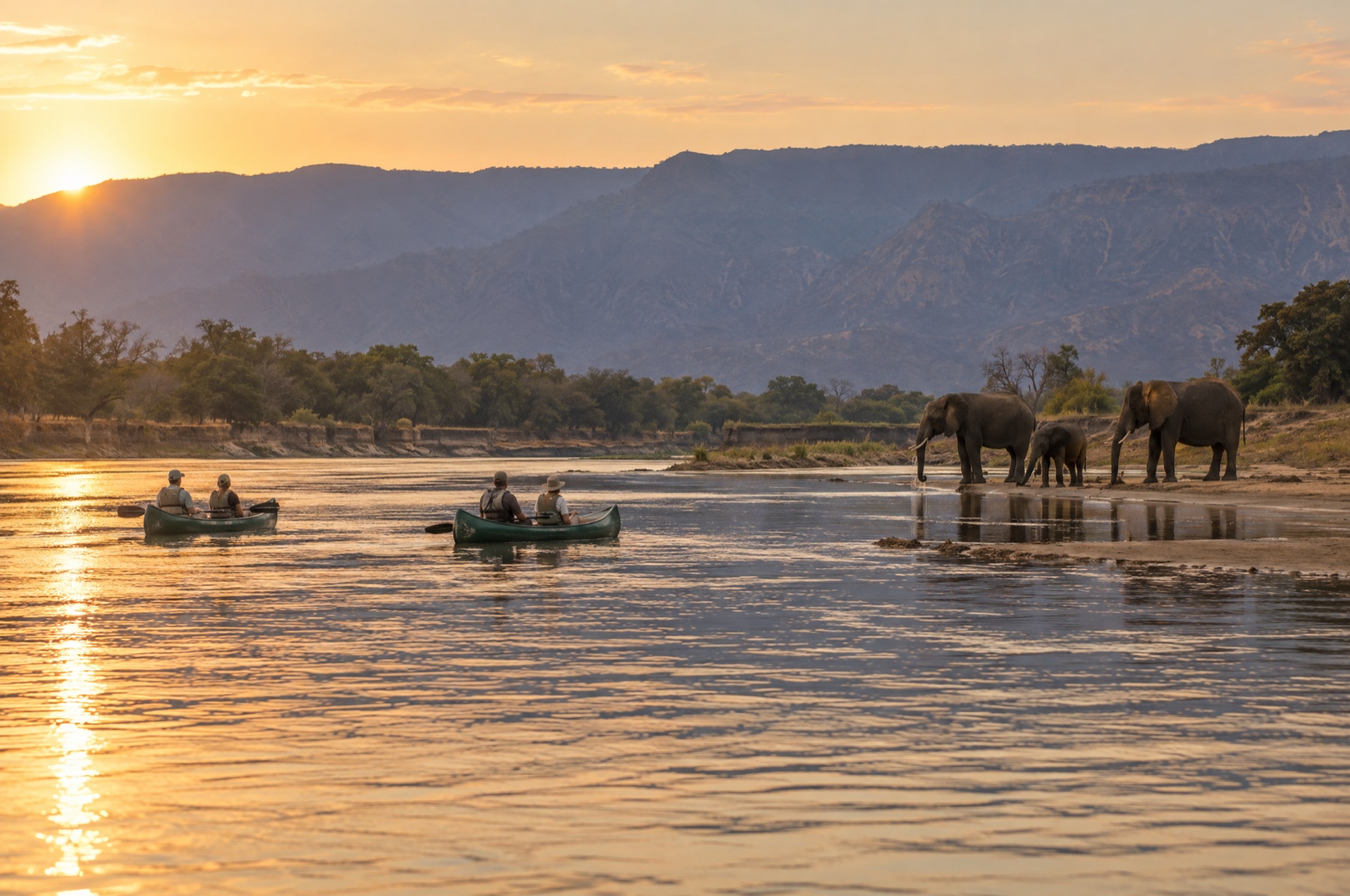
It's also the quiet one. The South Luangwa has leopard densities to rival anywhere and a fraction of the visitors. The Lower Zambezi lets you canoe past elephants drinking from the river. And Victoria Falls sits on the Zambian border, so the country's wildest safaris and its biggest spectacle fit in one trip. Camps are simpler and prices are gentler than in Botswana, which makes Zambia one of the best-value real safaris left.
Zambia, landlocked, with Victoria Falls on its southern border
Getting thereVia Johannesburg, Addis Ababa or Doha to Lusaka or Livingstone
No visaUS and Canadian passports currently enter visa-free
EnglishThe official language
MalariaYes, across the safari areas; tablets are the norm
Where to go.
Three regions, and they combine beautifully: a walking park, a river, and the Falls.
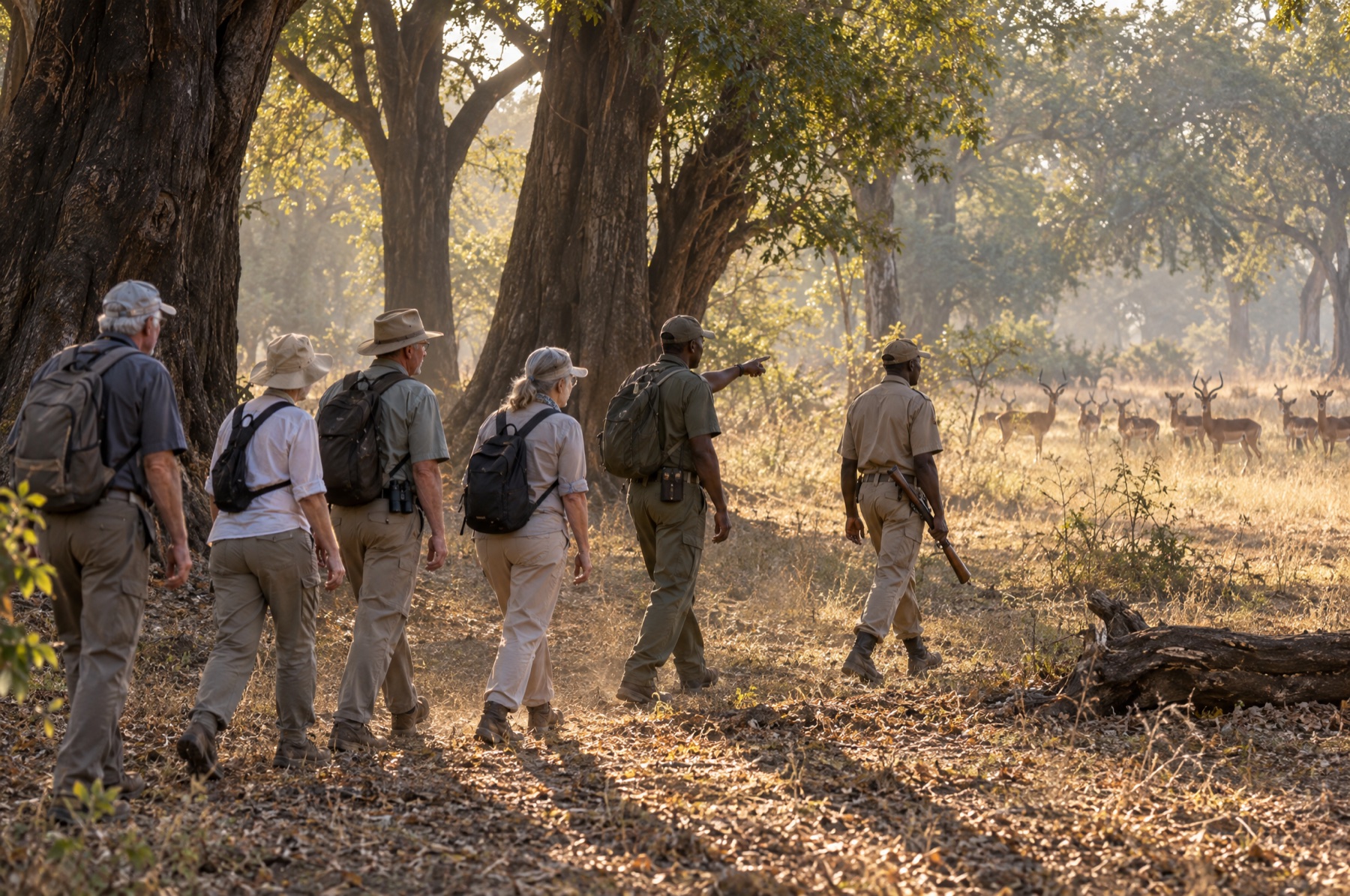
South Luangwa
Walking safaris, leopards, and the Luangwa River
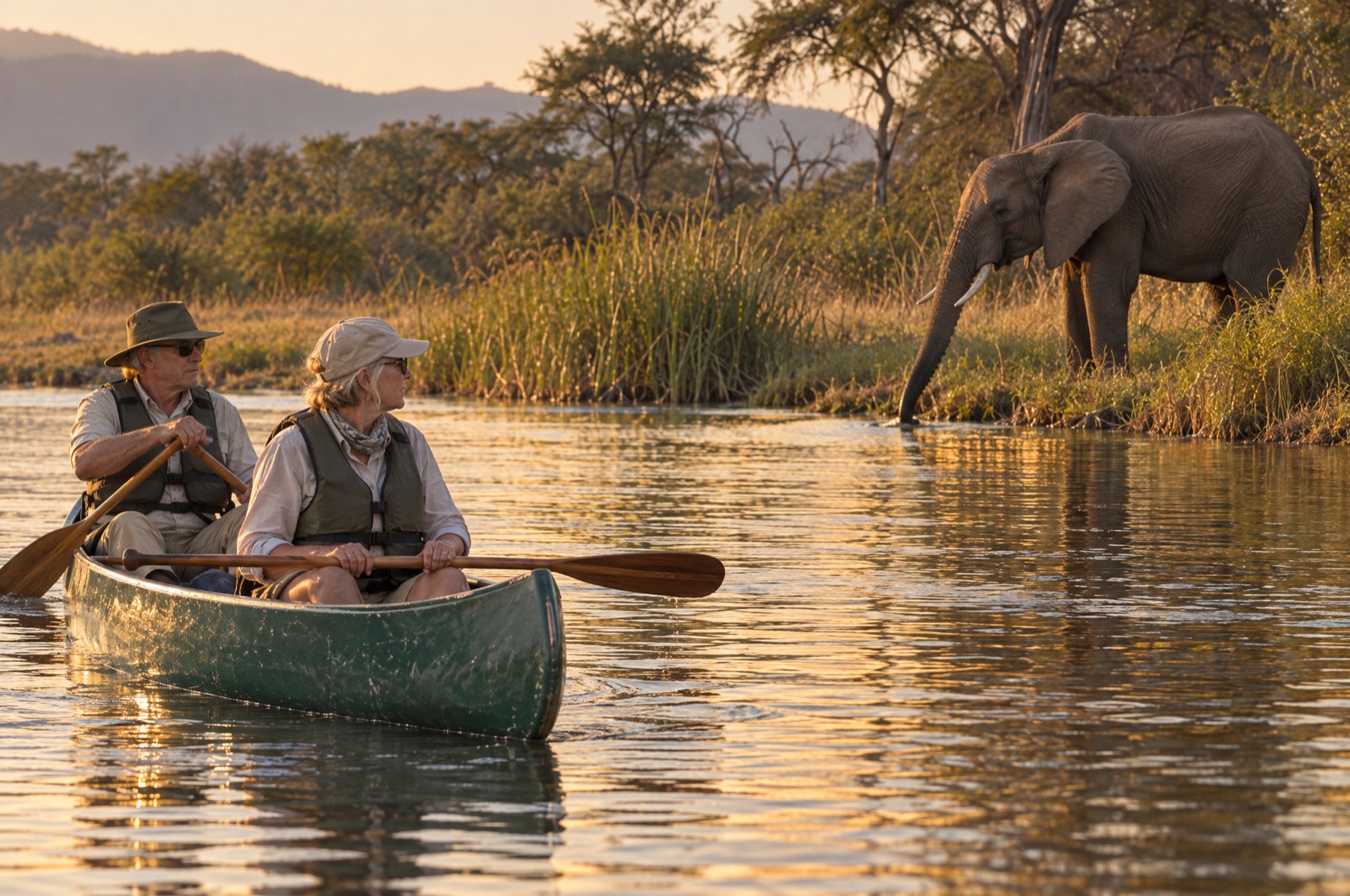
The Lower Zambezi
Canoeing and boating among elephants
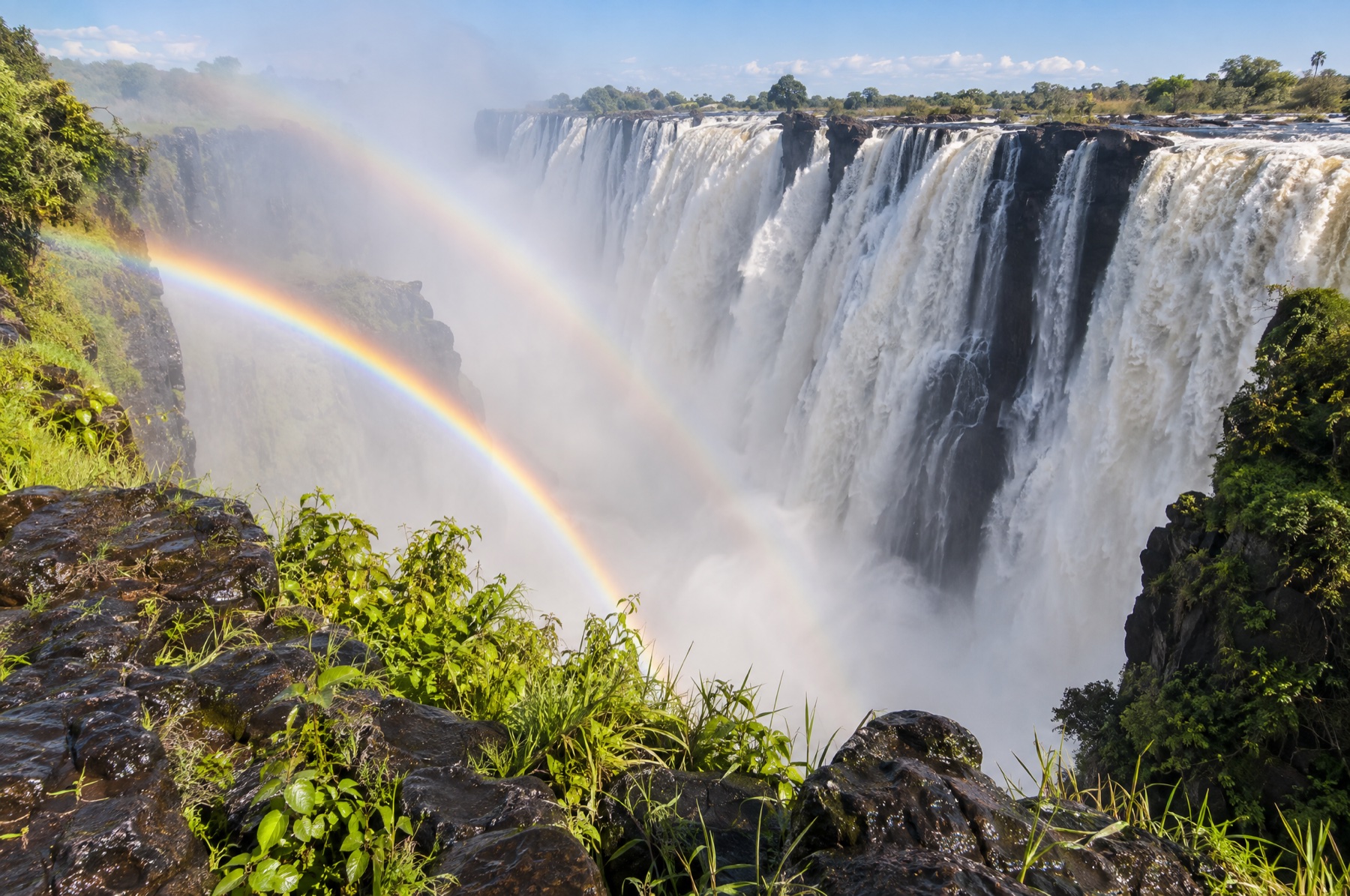
Victoria Falls, Livingstone
The Zambian side of the Falls
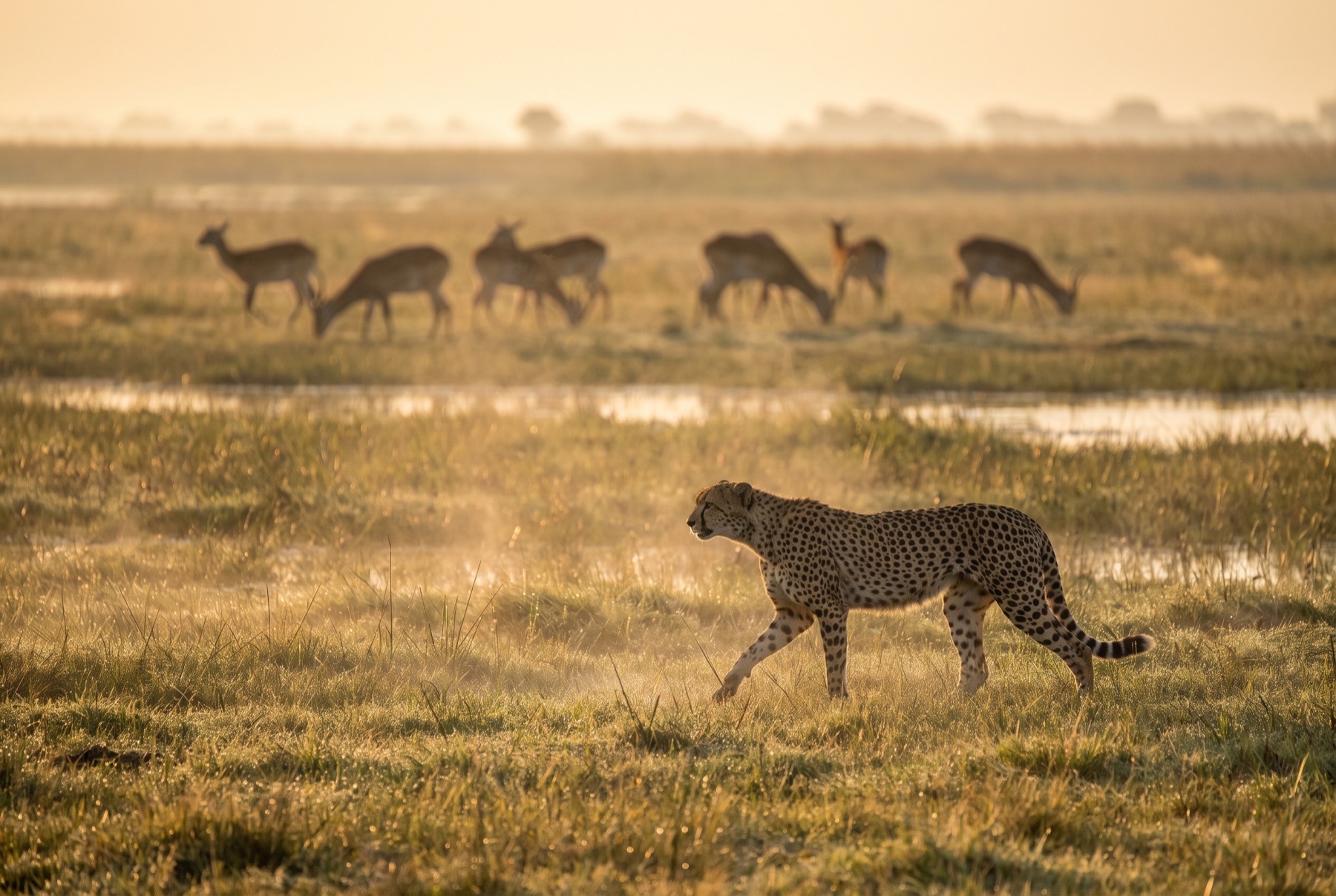
Kafue
Huge, remote, and almost empty
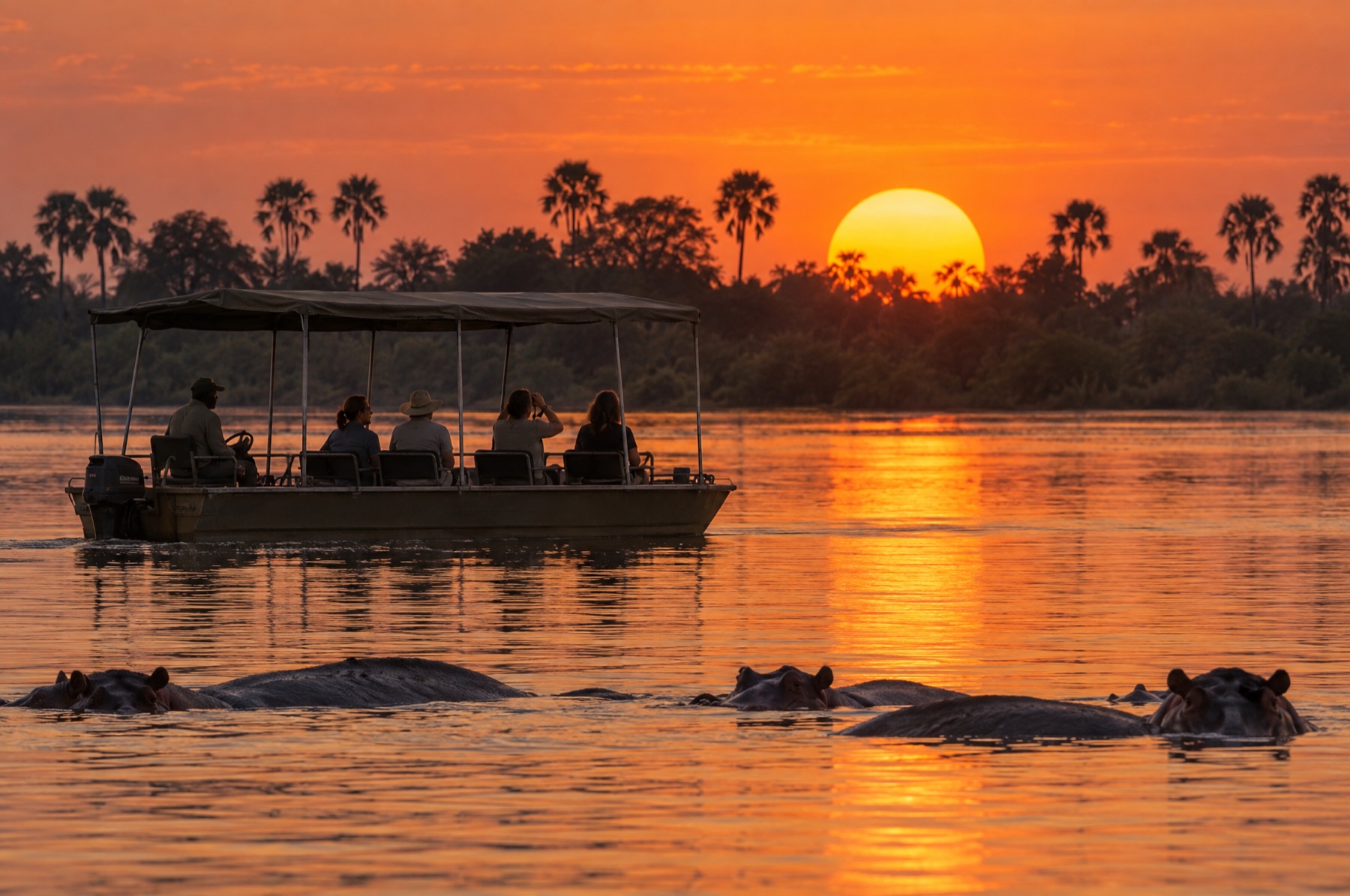
The Zambezi River
Sundowner cruises and river camps
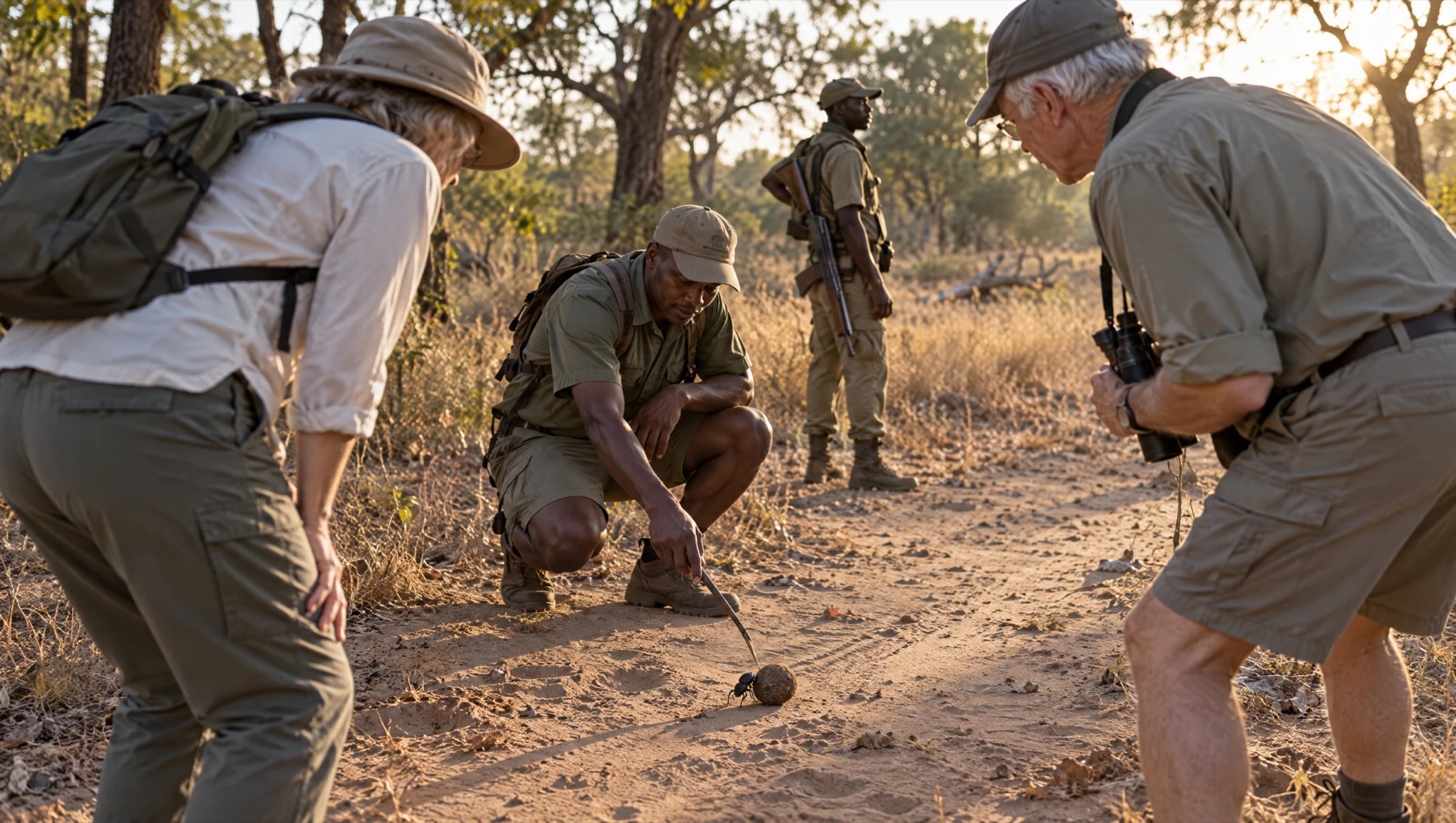
Get out of the vehicle.
A walking safari isn't about covering ground. It's three hours at a slow pace, reading tracks, learning which dung is whose, stopping dead when the guide raises a hand. You'll see fewer animals than from a vehicle and remember every one of them.
The Luangwa's camps are built around it: mornings on foot, afternoons by vehicle, night drives for the leopards. The guides here are legendary, and this is the one place in Africa where we'd tell you to leave the camera behind for a morning.
When to go.
Zambia is a dry-season country: the walking camps open around May and close when the rains arrive in November. The Falls run on the opposite clock.
J
F
M
A
M
J
J
A
S
O
N
D
Walking safaris
Game viewing, Luangwa
Falls at full force
Canoeing, Lower Zambezi
BestGoodNot the time
June to October is the season: dry, the bush thinning by the week, animals concentrating on the rivers, and the best walking. September and October are hot but the wildlife is extraordinary. From December to March most bush camps close for the rains, though a few stay open for the green season. Victoria Falls is fullest and loudest from February to May; by October and November the Zambian side can run nearly dry, and it's the Zimbabwean side you want then.
How long, and what it costs.
How Long You Need
Eight nights: four in the Luangwa, two on the Lower Zambezi or Kafue, two at the Falls. Ten if you want two Luangwa camps, which lets you walk between them, one of the great safari experiences.
Roughly What It Costs
Our trips run from about $350 to $2,500 per person per day, and where Zambia lands depends on the camps you choose. What's different here is the value: a simple bush camp with superb guiding costs a fraction of its equivalent in Botswana. The remote camps cost more to reach; the Falls is inexpensive. See what affects your budget.
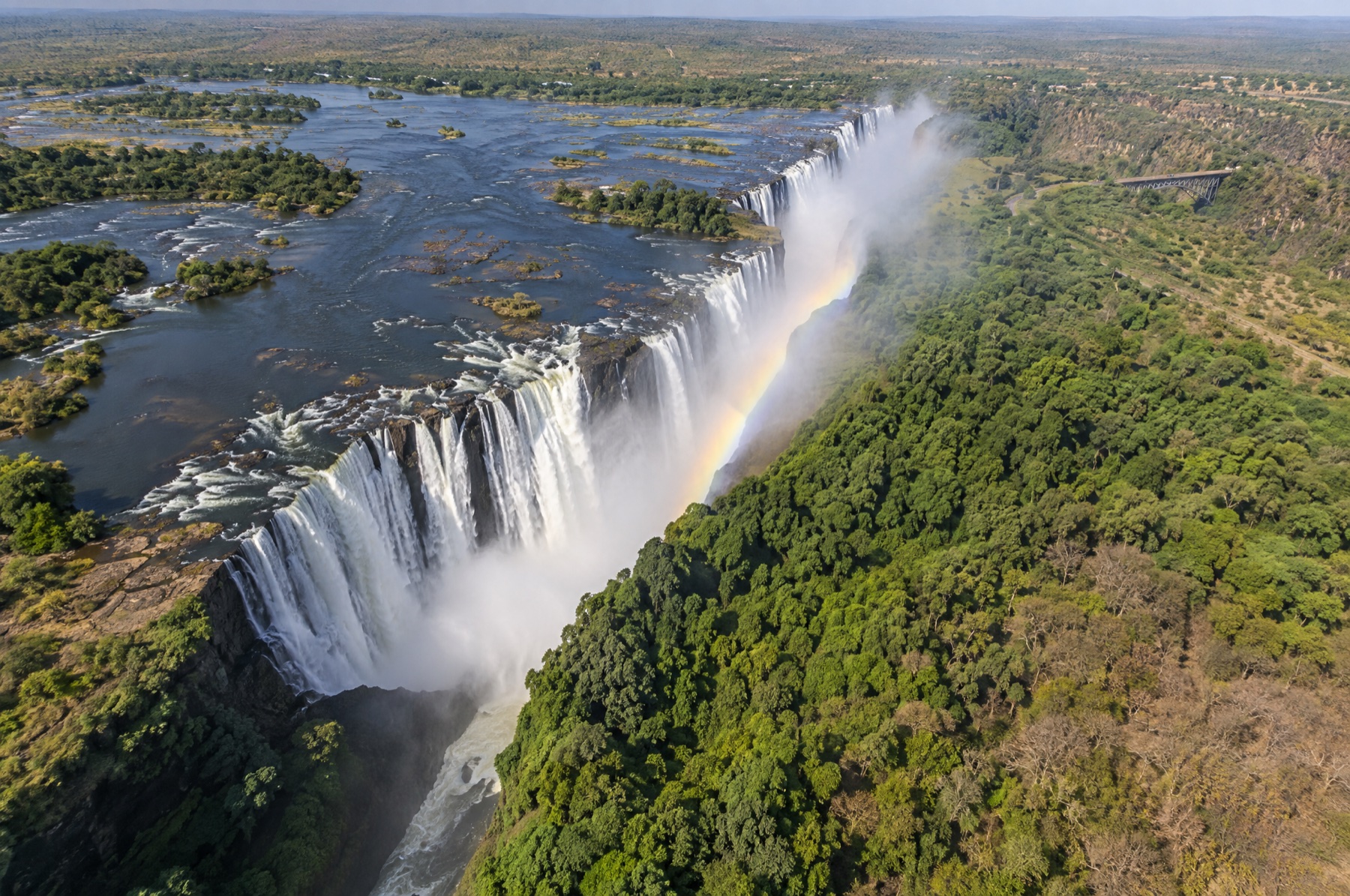
The Smoke That Thunders.
Mosi-oa-Tunya is the local name for Victoria Falls, and it's accurate. A mile-wide curtain of water dropping into a chasm, the spray visible from twenty miles away. You will get soaked, so wear the poncho they hand you.
See it from the path in a poncho, from a microlight, and if it's the right season, from the lip of the Falls itself. Two nights is plenty; it's the perfect end to a Zambian safari.
Who it suits.
Walkers
If you'd rather be on your feet than in a seat, there is nowhere better on the continent. This is the walking safari's home.
Returning Safari-Goers
Fewer vehicles, wilder camps, and guides who have spent their lives in one park. Zambia rewards people who know what they're looking at.
Value Seekers Who Won't Compromise
Real bush camps and top guiding at prices well below Botswana. The best safari-per-dollar in Southern Africa.
Anyone Who Wants the Falls
Add two nights at Livingstone to the end of a Luangwa safari. It's one short flight.
Three shapes a trip to Zambia can take.
These are starting points, not packages. We change any of them to suit the people going.
Luangwa and the Falls
Five nights walking and driving in the South Luangwa, two at Victoria Falls. The classic Zambia week.
Three Rivers
The Luangwa, the Lower Zambezi and the Falls. Walking, canoeing, and the biggest waterfall on earth. Ten nights.
Zambia and Botswana
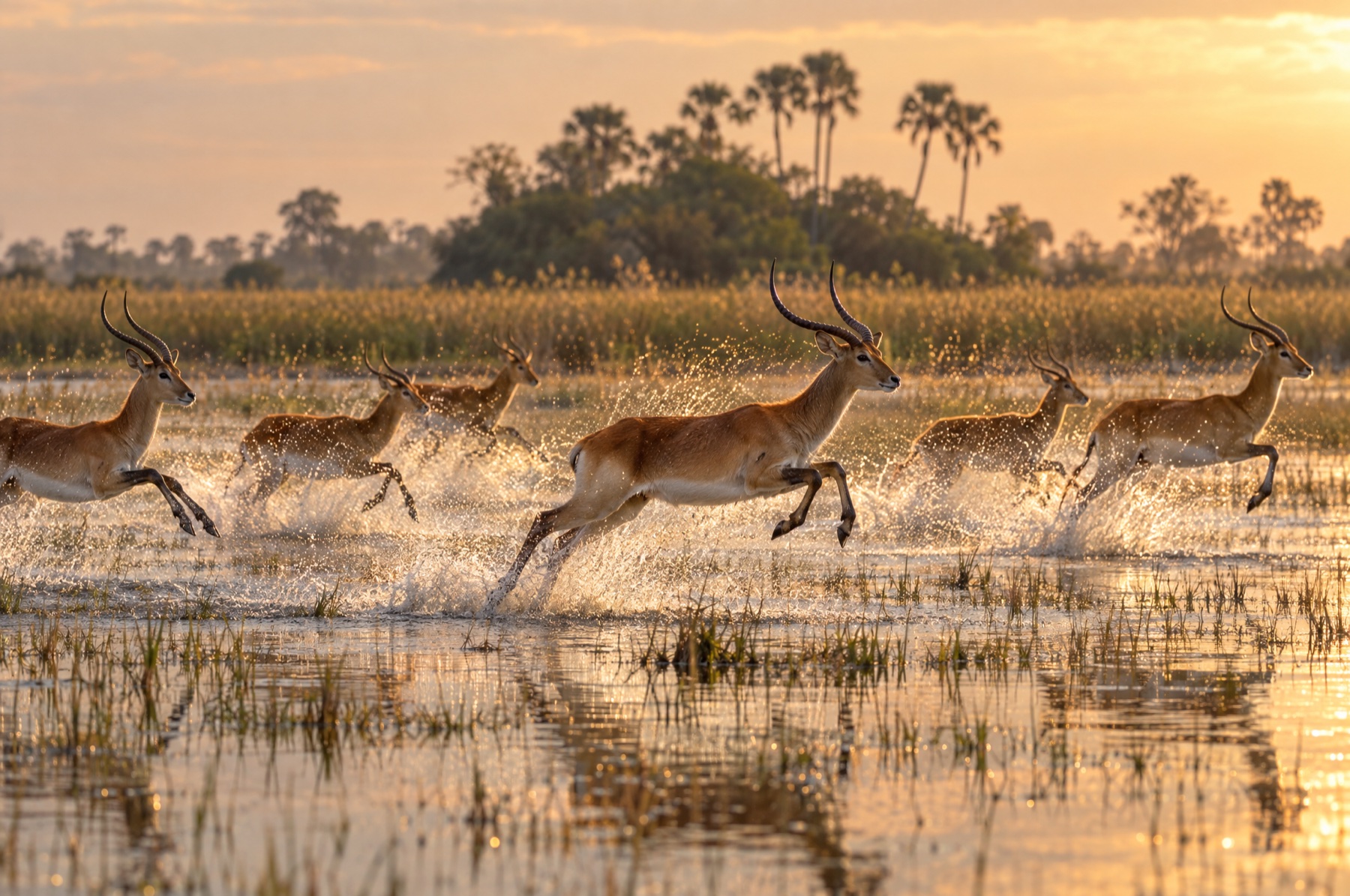
The Luangwa's walking and leopards, then the Okavango's water. Two very different safaris, one trip.
Good to know.
Getting There
No nonstop flights. Most people connect through Johannesburg to Lusaka or Livingstone; Ethiopian via Addis Ababa and Qatar via Doha also work. Light aircraft reach the camps from there.
Entry
Zambia waived visas for US and Canadian passport holders. As with everything at a border, we'll confirm it for your dates.
Money
The Zambian kwacha, but US dollars work for tips and the camps are all-inclusive. Bring small bills.
Health
All of Zambia's safari areas are malaria zones. Your doctor or a travel clinic will advise on tablets, and a yellow fever certificate may be asked for if you arrive from certain countries.
Entry rules, health advice and airline schedules change. We confirm all of it for your dates before you book.
Plan your trip to Zambia.
Tell us your dates and how much walking you'd like. We'll match the camps and the guides to you.
Start Planning Your TripPrefer to talk? Call +1 512 844 5281.