
Uganda and Rwanda
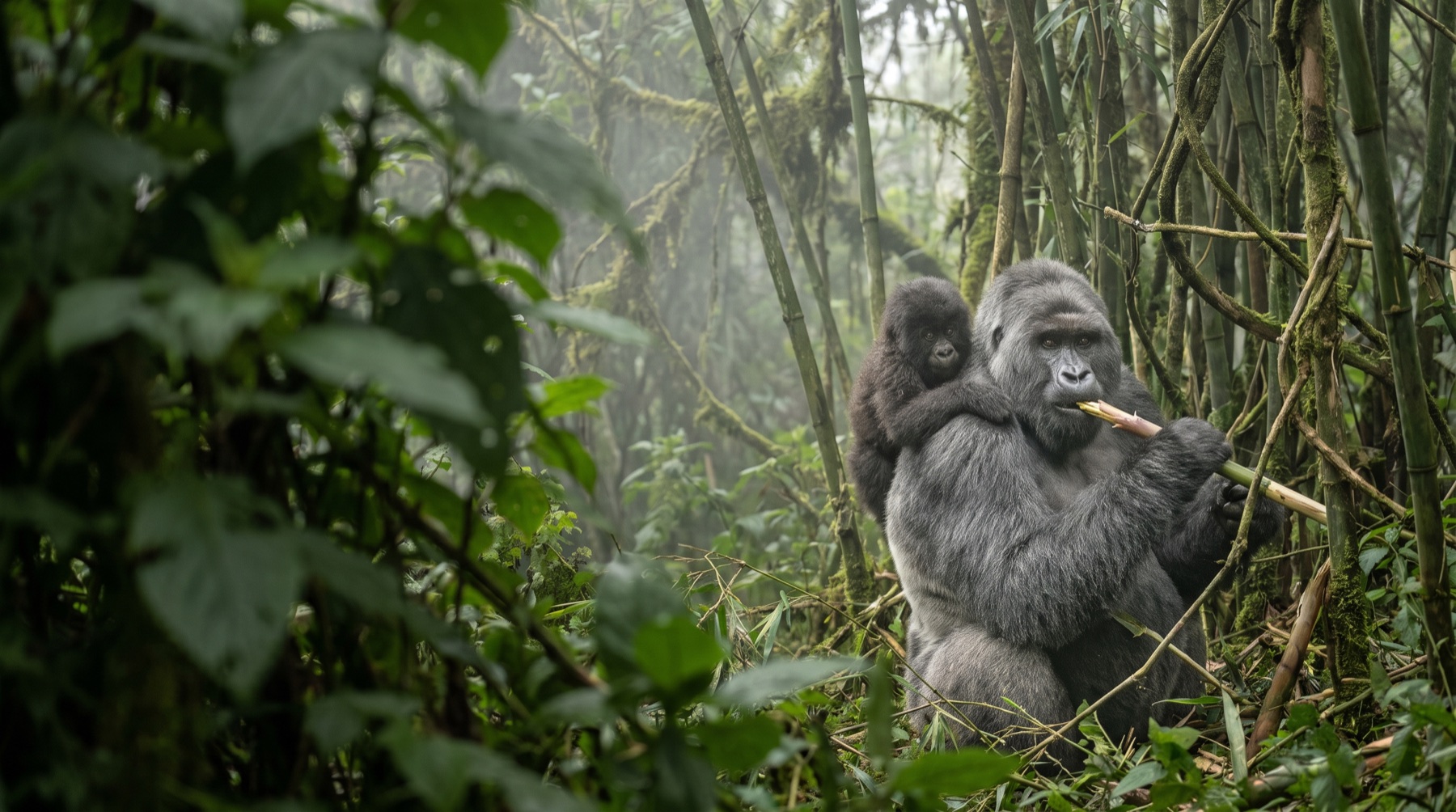
An hour with a family of mountain gorillas, close enough to hear them breathe. There are about a thousand left in the world, and you can only meet them here.
Why Uganda and Rwanda.
There are experiences in Africa that people describe as the best hour of their lives, and this is the one they say it about most. Mountain gorillas live only in the forests where Uganda, Rwanda and Congo meet, and both countries protect them beautifully.
The two countries offer the same animal in different settings. Rwanda is polished: an easy drive from the capital, luxurious lodges, steep green volcano slopes, and a permit price to match. Uganda is wilder and cheaper: Bwindi's forest is denser and the treks can be longer, and the country adds chimpanzees, tree-climbing lions and the Nile. Many of our clients add the gorillas as three or four days at the start or the end of a Kenya or Tanzania safari, and it's the part they talk about afterwards.
Uganda and Rwanda, in the highlands of East Africa
Where to go.
Two forests hold the gorillas. Around them, both countries have more than most people expect.
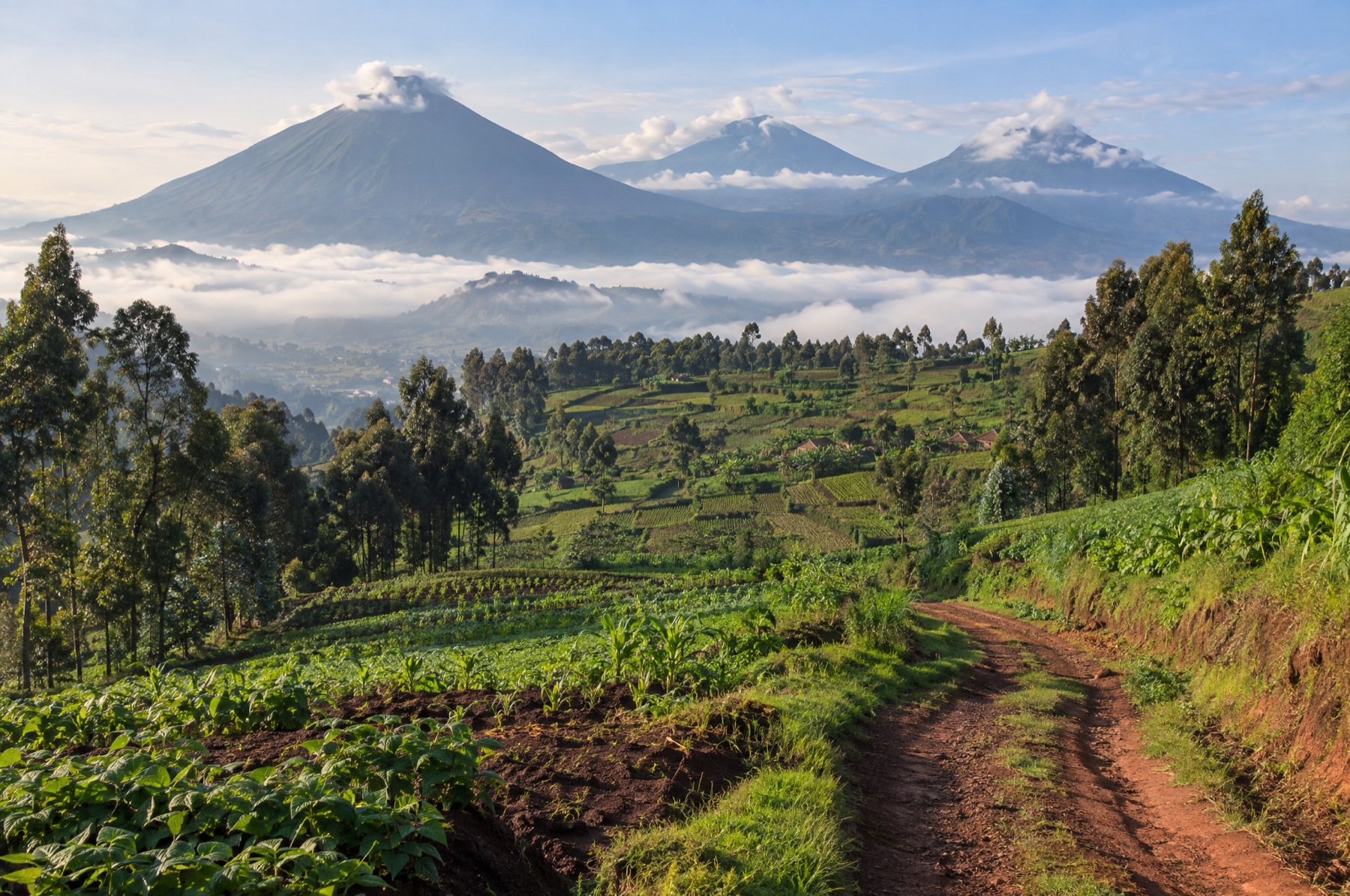
Volcanoes National Park, Rwanda
Gorillas on the slopes of the Virungas
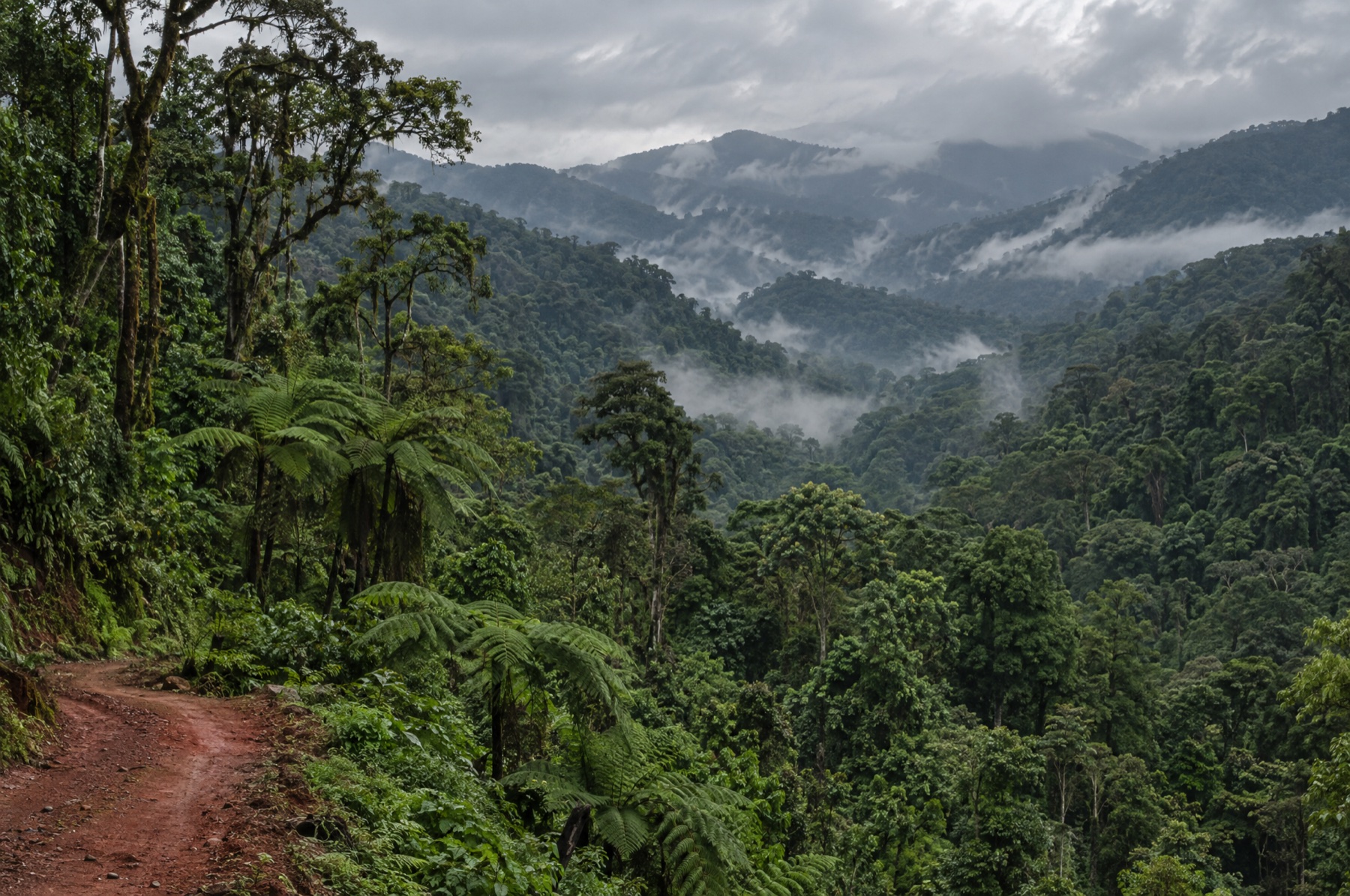
Bwindi Impenetrable Forest, Uganda
Gorillas in the ancient rainforest
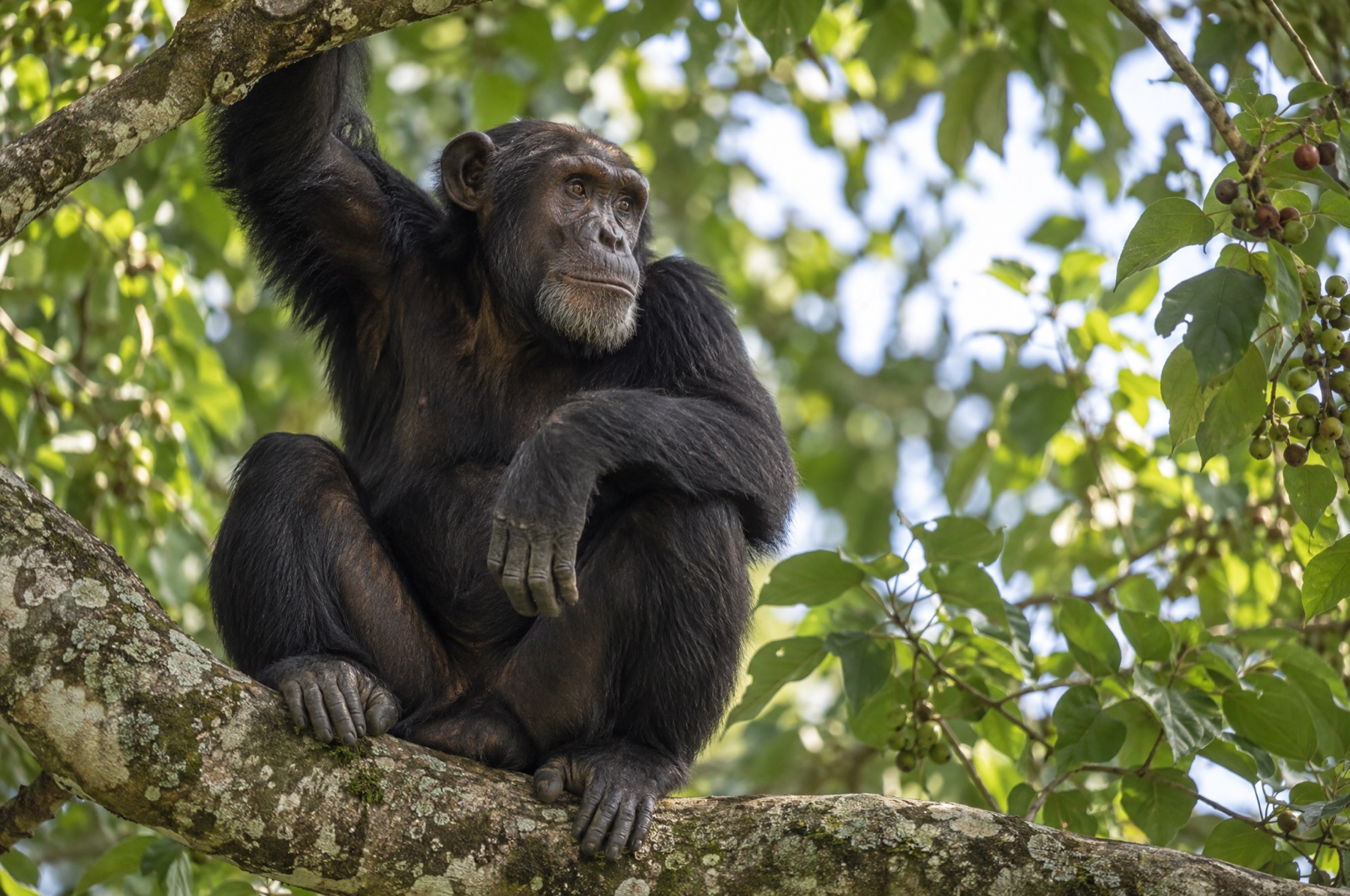
Kibale, Uganda
Chimpanzee tracking
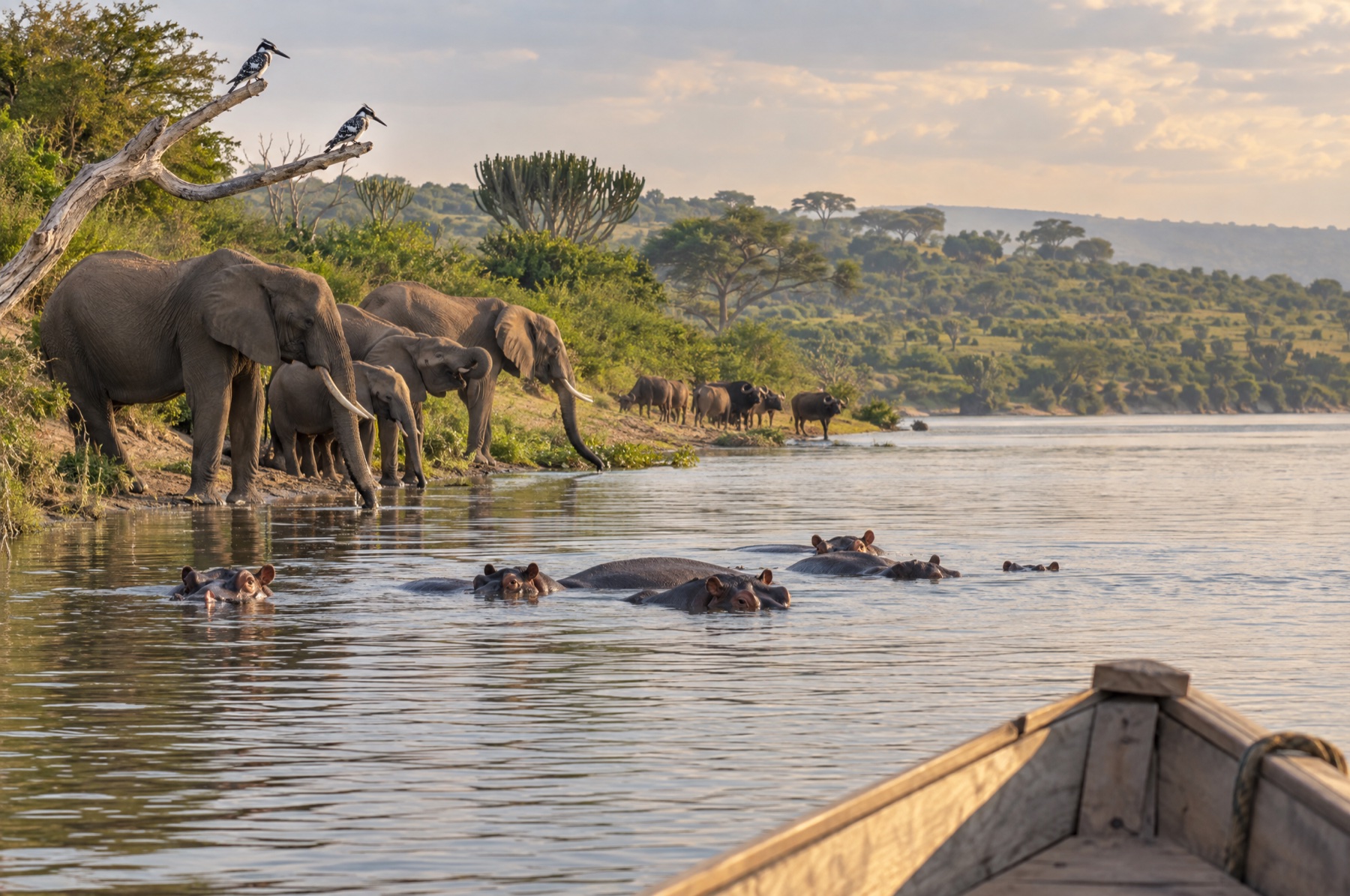
Queen Elizabeth and Murchison, Uganda
Savanna safari and the Nile
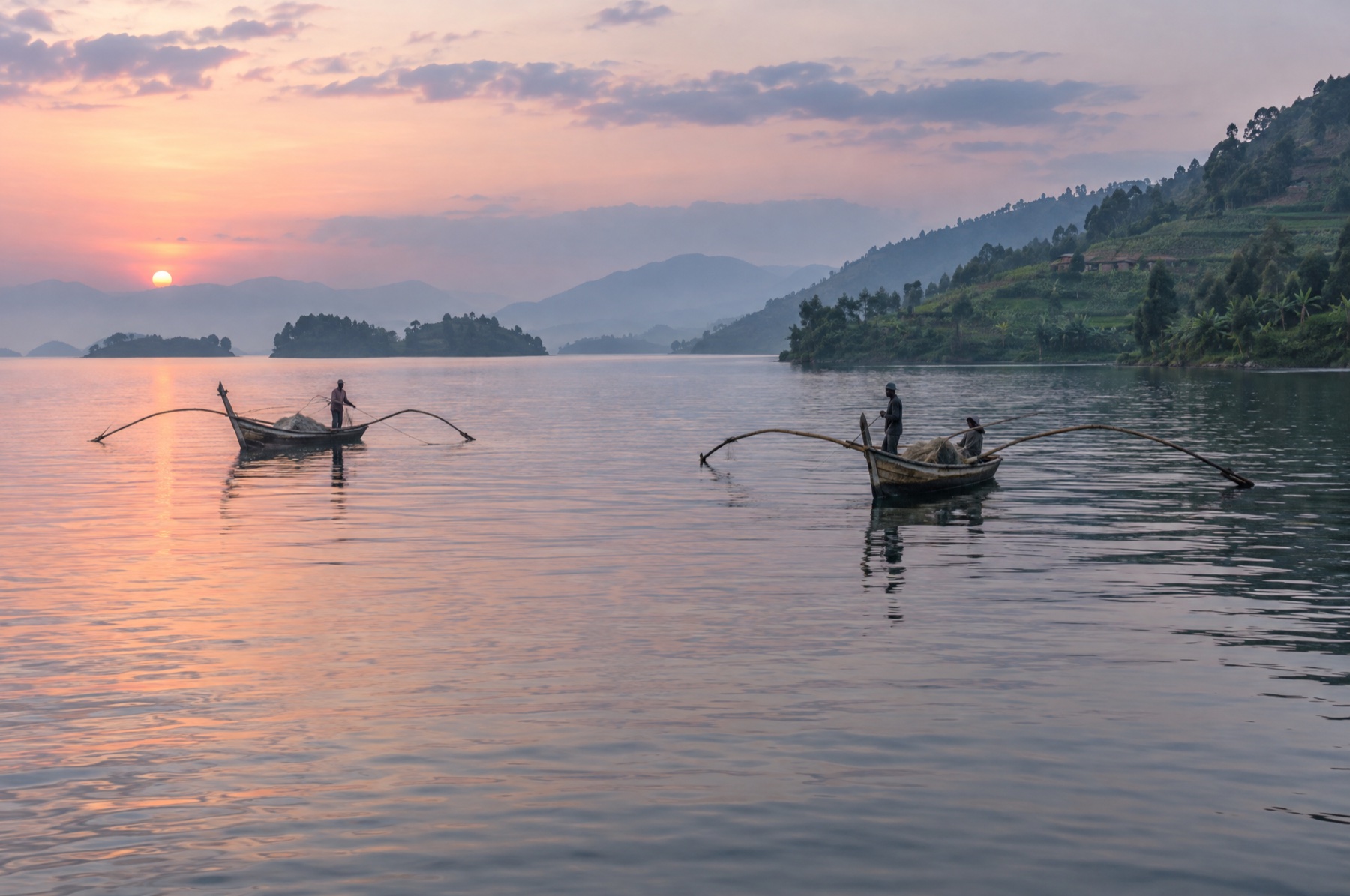
Lake Kivu, Rwanda
A calm lake to recover beside
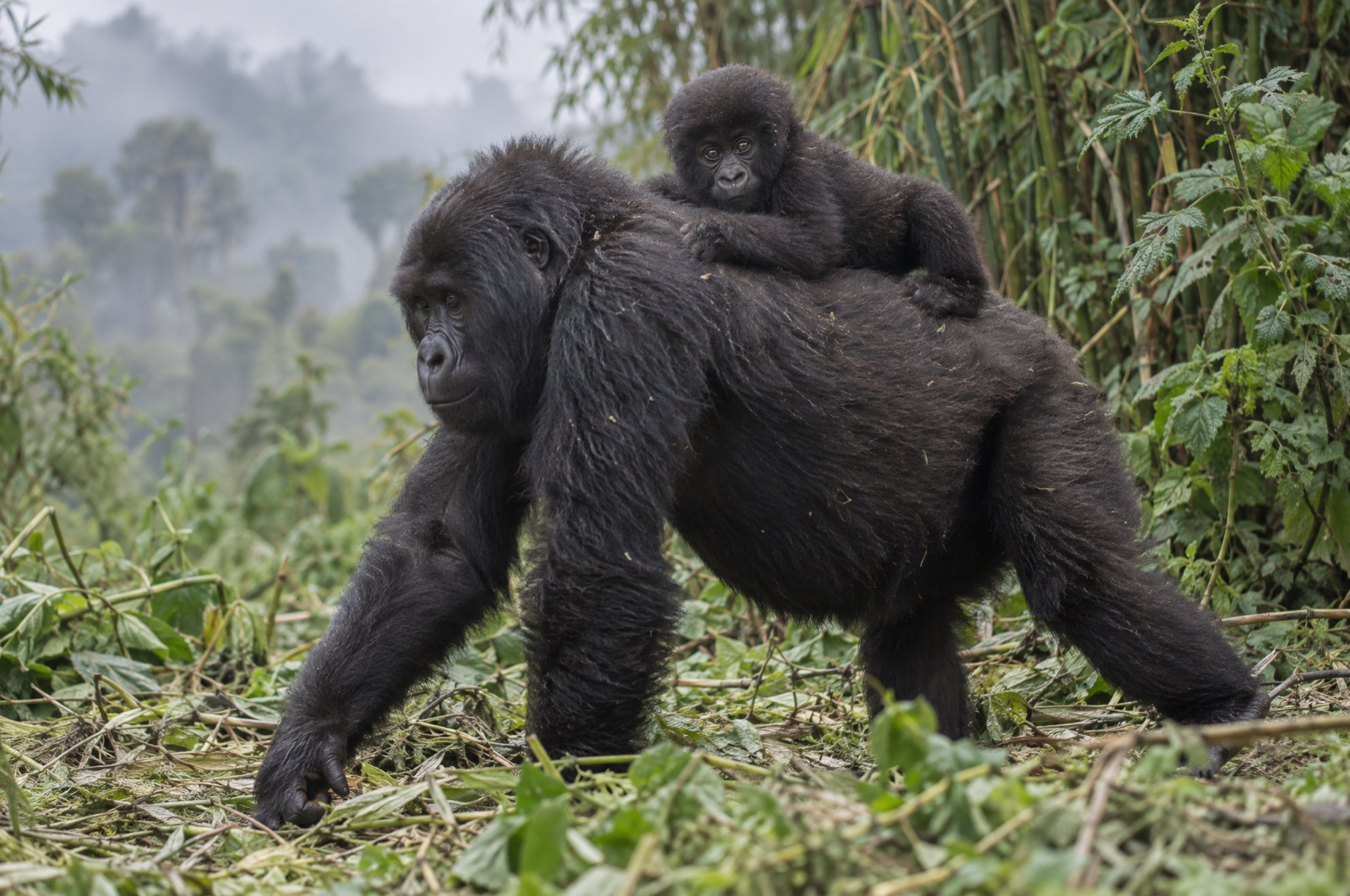
The trek, and the hour.
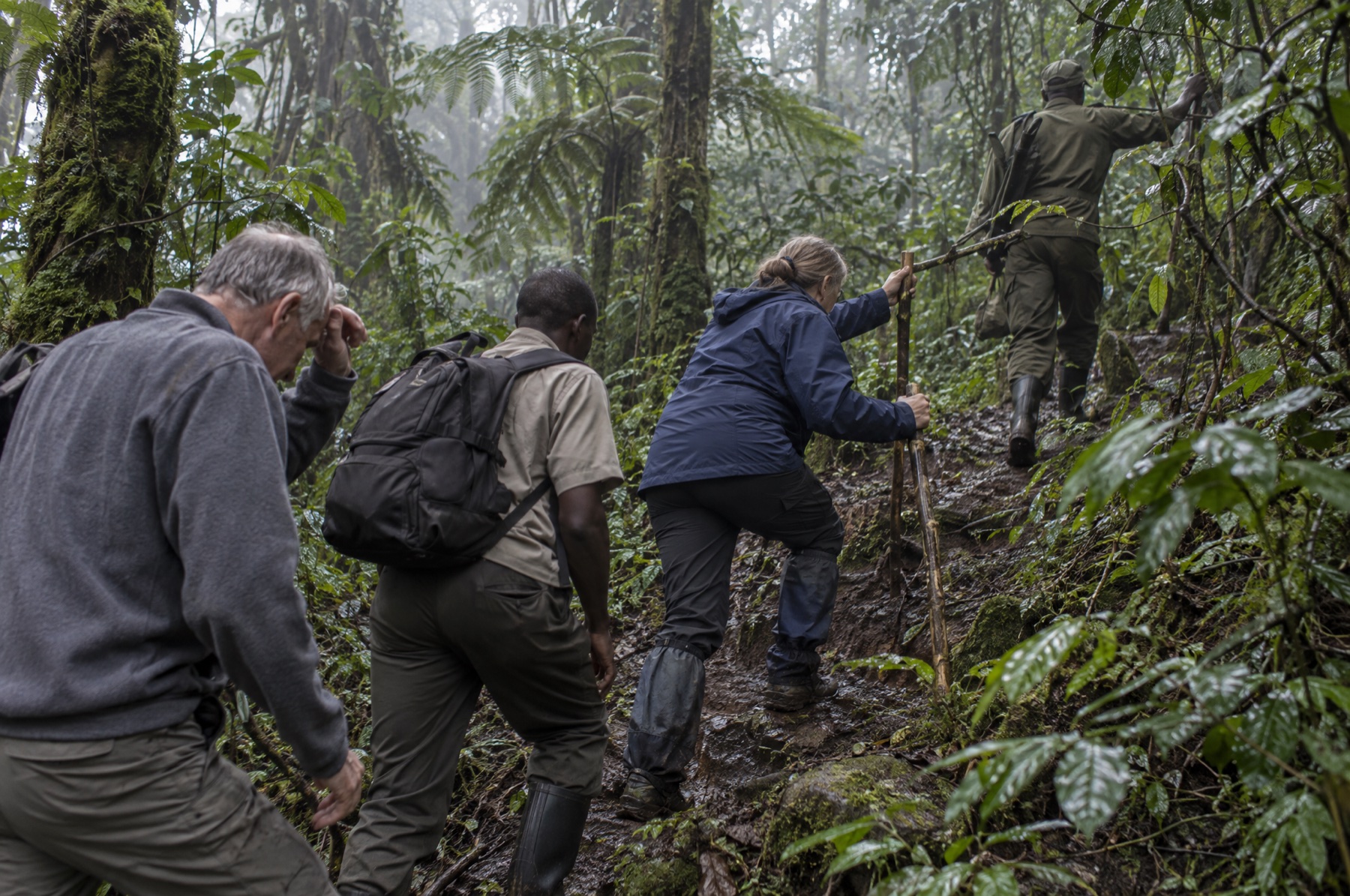
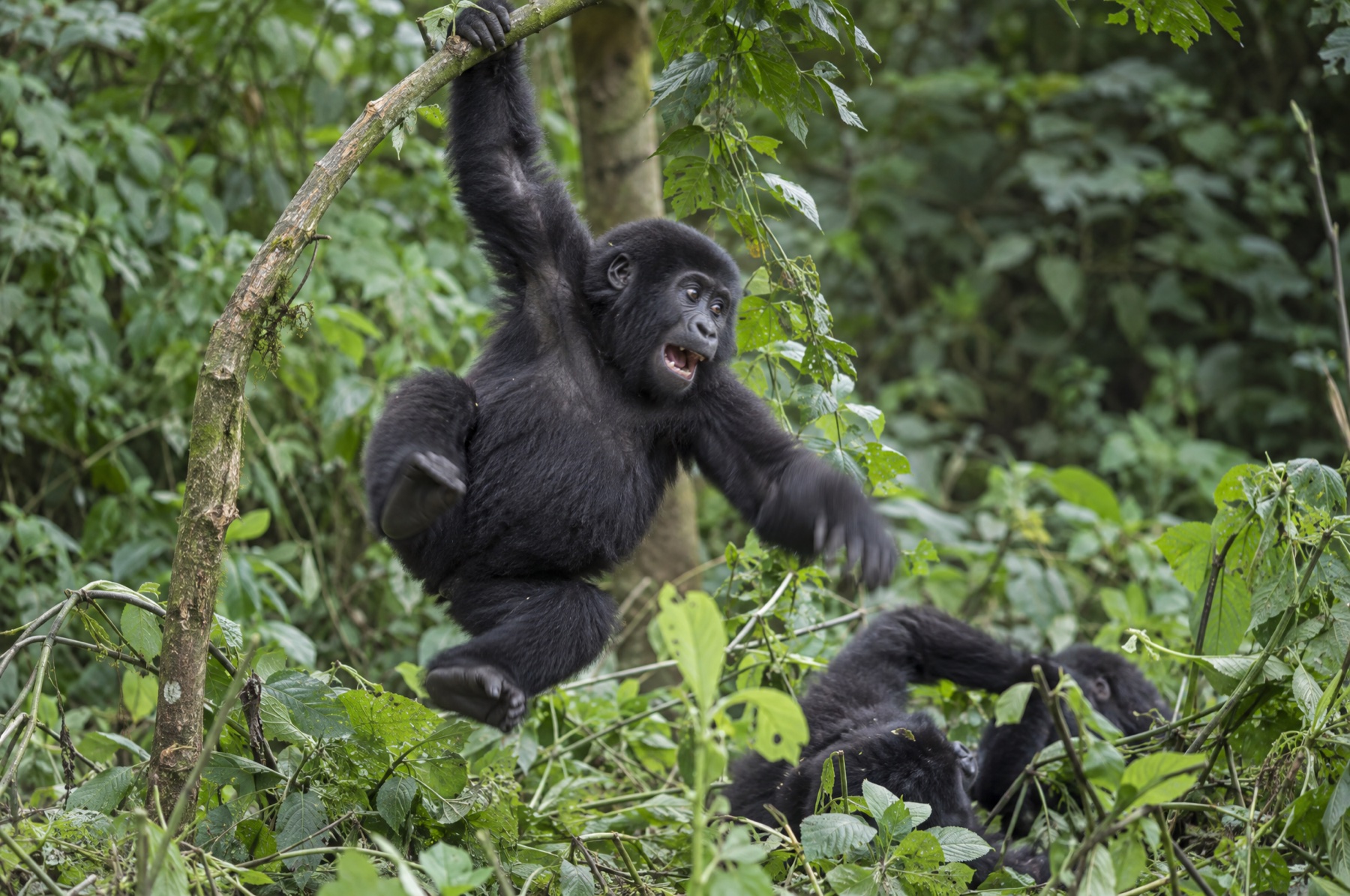
You set off early with a ranger, a tracker and a group of no more than eight. The walk to the family can be forty minutes or four hours, uphill, through wet forest. Then the tracker stops, and there they are: a silverback the size of a sofa, mothers, juveniles wrestling in the undergrowth.
You get one hour, and it goes in a heartbeat. They look at you. They mostly ignore you. A youngster may wander over. Then the rangers call time and you walk out, and nobody in the group says much for a while.
When to go.
The gorillas can be visited every day of the year. The dry seasons make the trek easier underfoot; the wet ones make it muddier and cheaper to stay.
June to September and December to February are the drier months, with firmer trails and clearer skies. March to May and October to November bring the rains: the forest is wetter and the climb harder, but the gorillas are unaffected, lodges are quieter, and Uganda drops its permit price in some months. Whatever the season, expect mud, bring gloves, and treat a rain jacket as essential.
How long, and what it costs.
How Long You Need
Three nights is the minimum for one trek, with a day either side for the drive and the rest. Four lets you trek twice, which we strongly recommend: every family and every hour is different. As an add-on to a safari, four nights; as a trip in its own right with chimps and a savanna park, eight to ten.
Roughly What It Costs
The permits set the floor: Rwanda's gorilla permit is $1,500 per person per trek, Uganda's is $800, and they're non-negotiable. Beyond that, it's the lodge you choose, within our usual range of $350 to $2,500 per person per day. Uganda has excellent mid-range lodges near the gorillas; Rwanda's best lodges are among the most expensive in Africa, though simpler options exist there too. See what affects your budget.
Rwanda or Uganda? Both are right.
Rwanda is the easy, elegant version: a two-hour drive from the airport, world-class lodges, and treks that tend to be shorter. It costs roughly twice as much, mostly because of the permit.
Uganda is the fuller trip: the gorillas plus chimpanzees, savanna and the Nile, at a gentler price, with longer drives and a rougher forest. If gorillas are the whole point, Rwanda. If you want a country too, Uganda. We'll help you choose.
Who it suits.
Anyone with This on Their List
It's the one experience in Africa that nobody comes back from unmoved, and it's easier to add to a trip than most people think.
Safari-Goers with Three Spare Days
Kigali is a short flight from Nairobi. The gorillas are the best possible end to a Kenya or Tanzania trip.
Walkers of Most Abilities
The trek is real: steep, muddy and at altitude, and people in their seventies do it every day. If walking is difficult for you, don't rule it out. In Rwanda especially, porters and carried chairs can get you to the gorillas; it costs a little more, and we'll arrange it.
Conservation-Minded Travelers
Your permit is what protects them. Gorilla numbers have grown from about six hundred to over a thousand because people come.
Three shapes a trip to gorilla can take.
These are starting points, not packages. We change any of them to suit the people going.
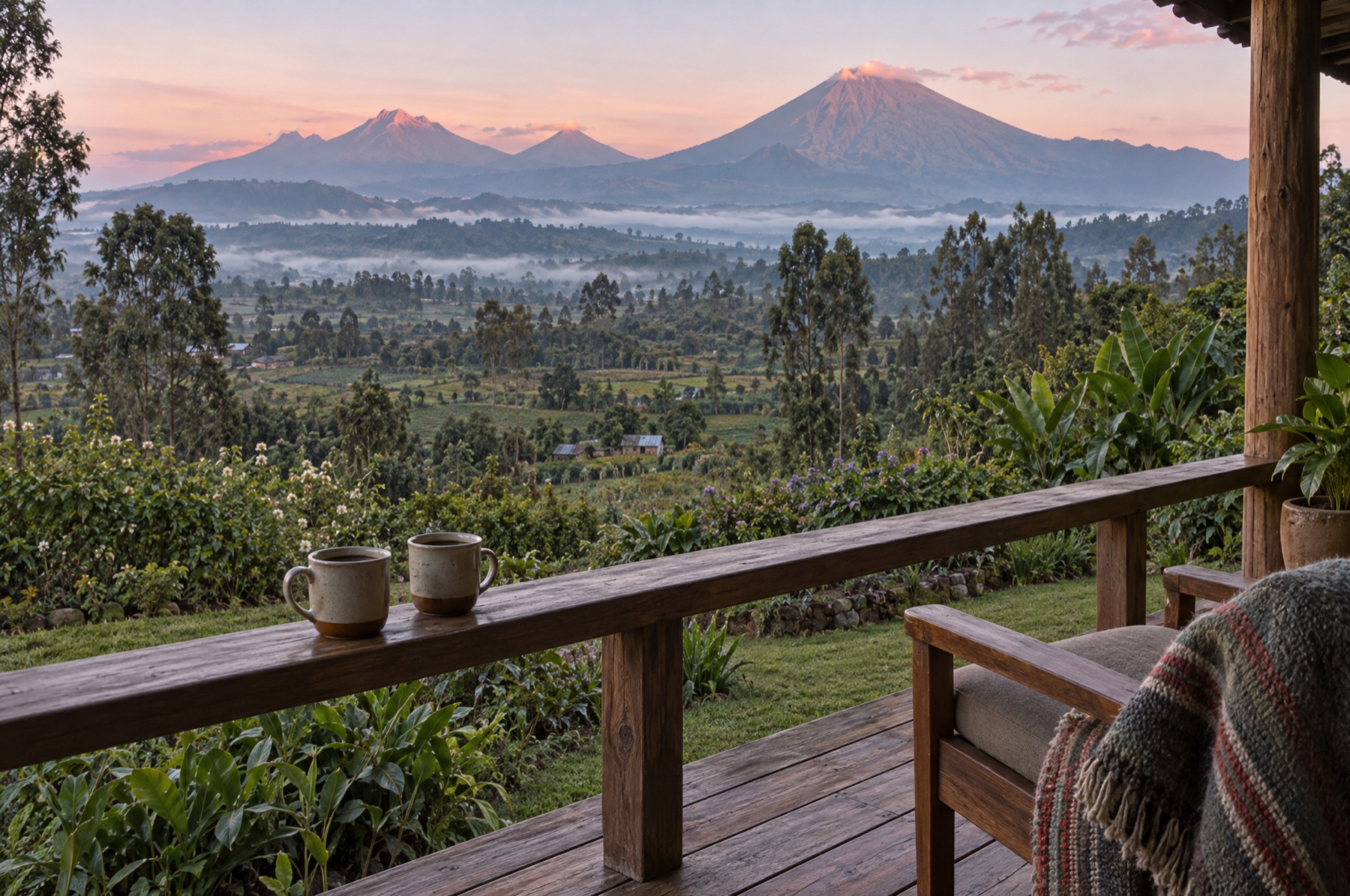
Rwanda in Four Days
Fly into Kigali, two treks from a lodge on the volcano slopes, fly out. The cleanest way to do it, on its own or after a safari.
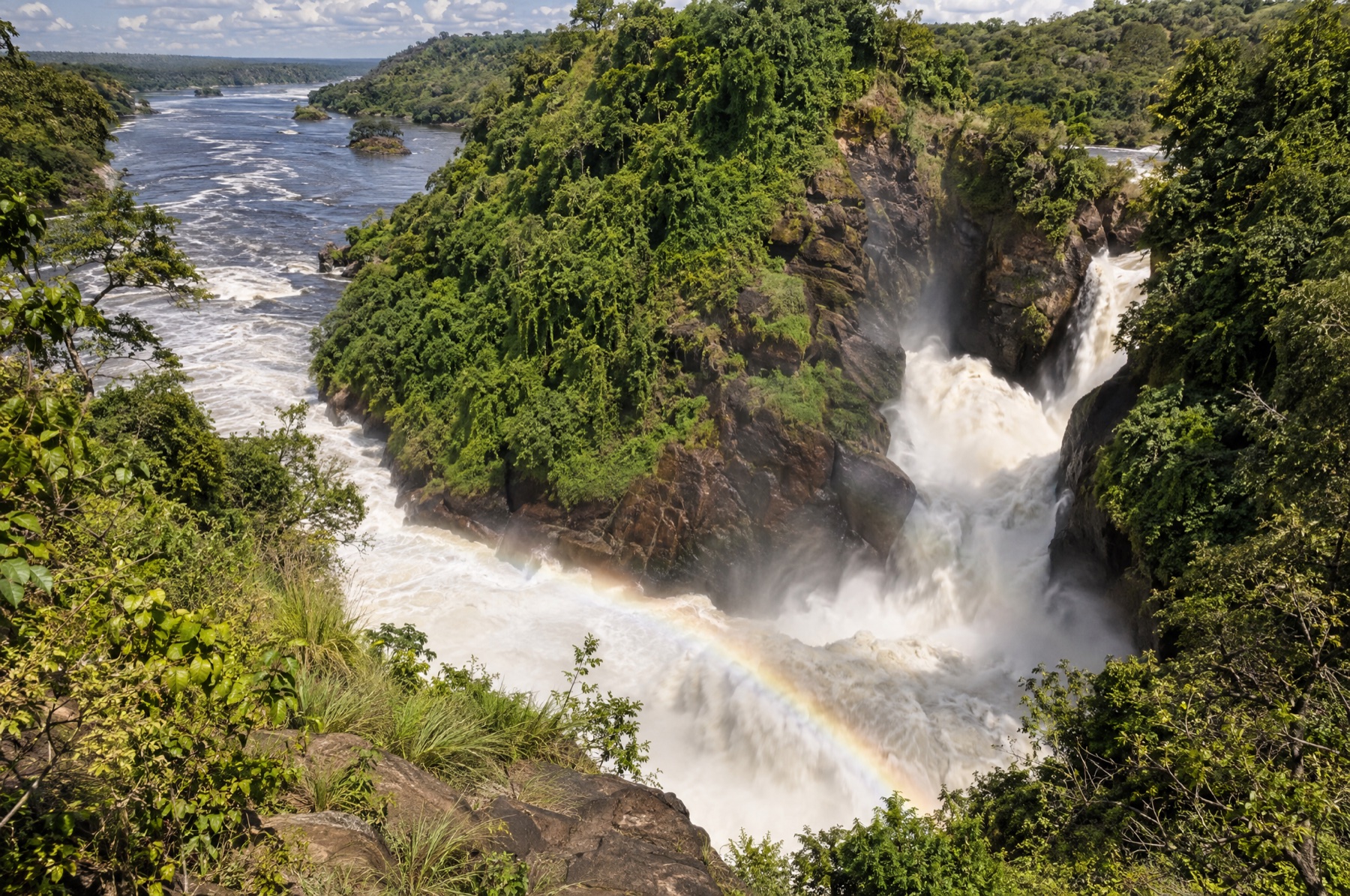
The Uganda Circuit
Chimps in Kibale, savanna in Queen Elizabeth, gorillas in Bwindi. Nine or ten nights, and a whole country.
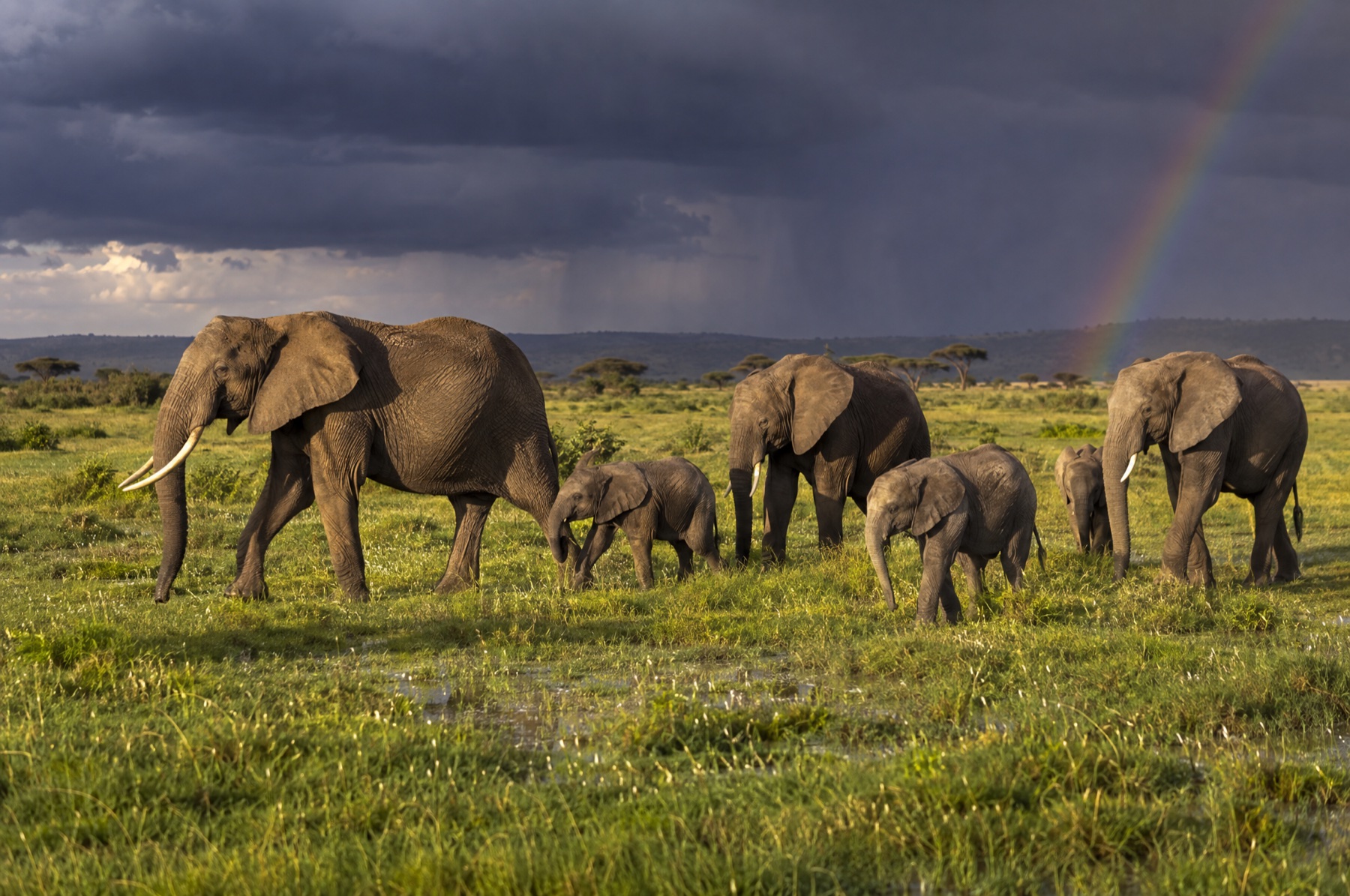
Safari and Gorillas
Kenya or Tanzania first, then Rwanda for the gorillas. Twelve to fourteen nights, and the two greatest wildlife experiences on earth.
Good to know.
Getting There
No nonstop flights, but plenty of one-stop routes to Kigali and Entebbe through Europe, the Gulf, Addis Ababa or Nairobi. We'll find the connection that fits your dates. From Nairobi it's a short hop.
Entry
Rwanda issues a visa on arrival to most nationalities. Uganda requires an online visa before you travel; an East Africa visa covers Uganda, Rwanda and Kenya together. We'll sort out which you need.
Money
Rwandan and Ugandan francs and shillings, but US dollars are widely accepted and preferred for permits, lodges and tips. Bring newer bills.
Health
Malaria is present in the lowlands; the gorilla areas sit at around eight thousand feet where risk is lower but not zero. A yellow fever certificate is required for entry to both countries. Your doctor or a travel clinic advises.
Entry rules, health advice and airline schedules change. We confirm all of it for your dates before you book.
Plan your gorilla trek.
Tell us your dates and whether it's the whole trip or the end of one. We'll secure the permits and build it around them.
Start Planning Your TripPrefer to talk? Call +1 512 844 5281.