Botswana
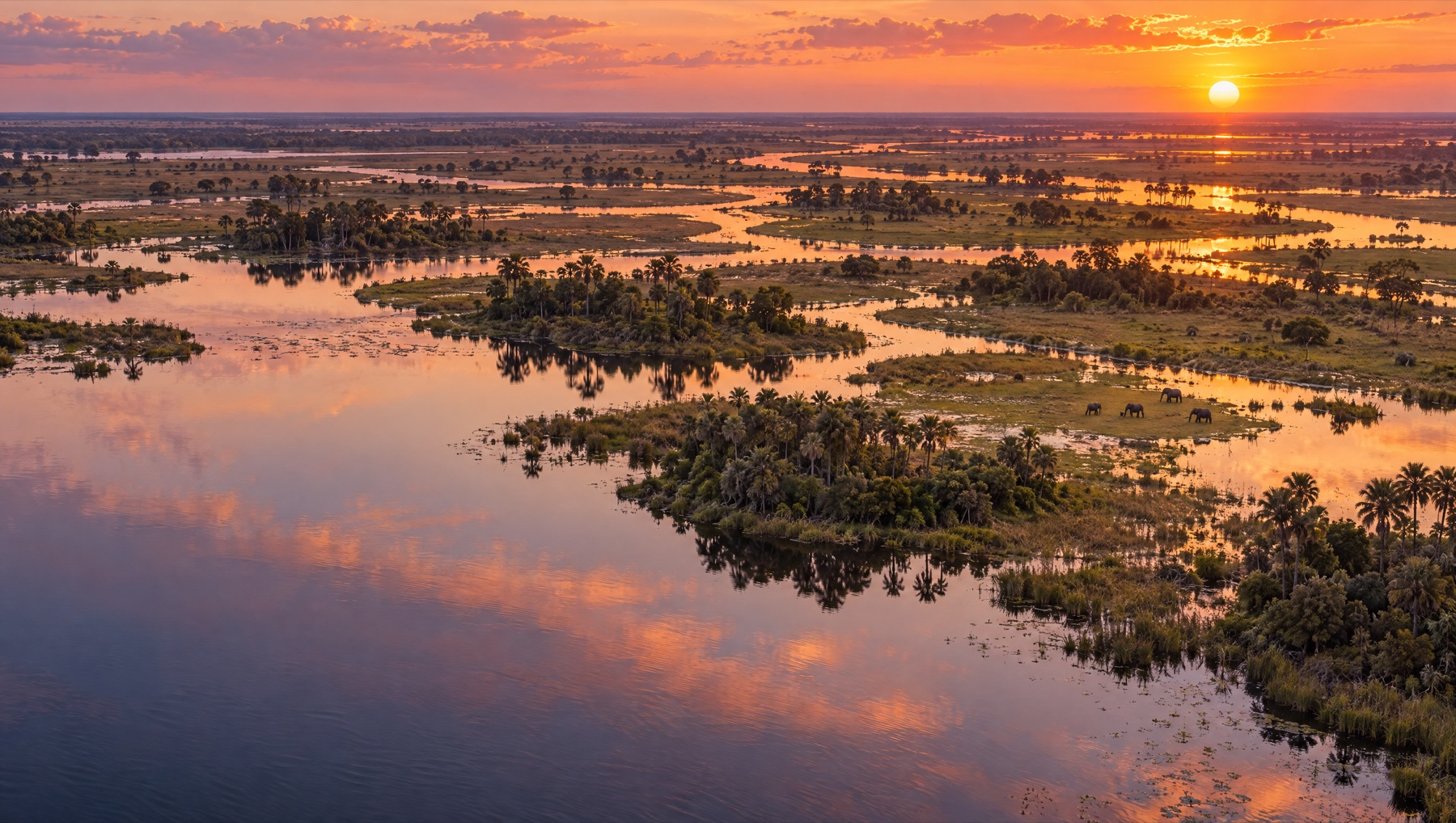
The purest safari in Africa. A river that flows into the desert and never reaches the sea, camps with a handful of tents, and more elephants than anywhere on earth.
Why Botswana.
Botswana decided decades ago to keep tourism small and expensive rather than big and cheap, and it shows. The Okavango Delta is the wildest place most people will ever sleep, and you'll share it with a dozen other guests, not a hundred.
This is safari with nothing else attached: no cities, no wine, just water, sand and animals. You'll pole through the channels in a dugout canoe, fly between camps in a six-seater, and go days without seeing another vehicle. It's the trip people who've already done Kenya or South Africa take next, and the one safari purists rank first. It is also the most expensive country we send people to, and honestly worth it.
Botswana, landlocked in the heart of Southern Africa
Where to go.
Three regions, each a different landscape. Most first trips combine two of them; the classic pairing is water and dry land.
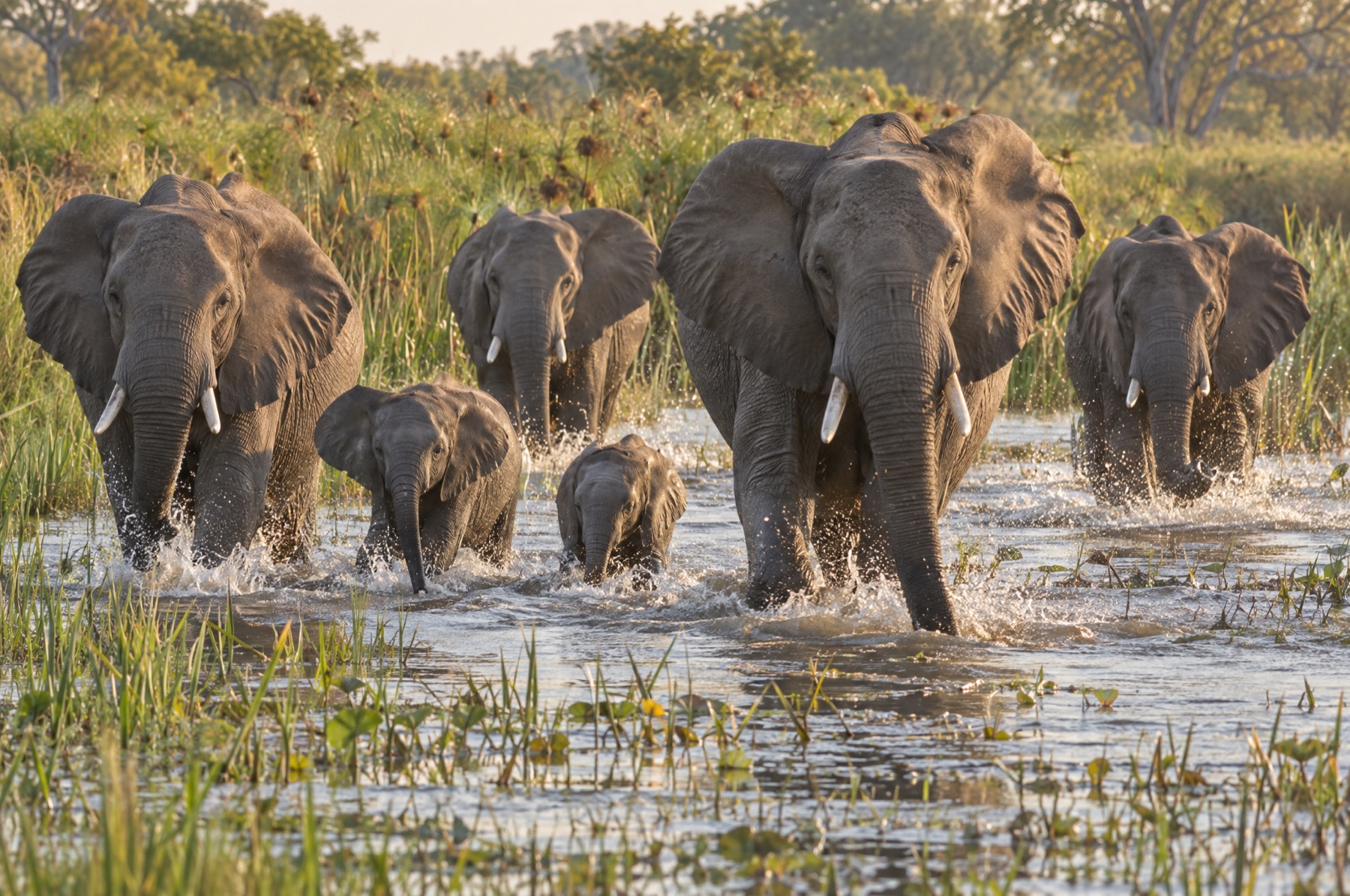
The Okavango Delta
Water, islands and mokoro canoes
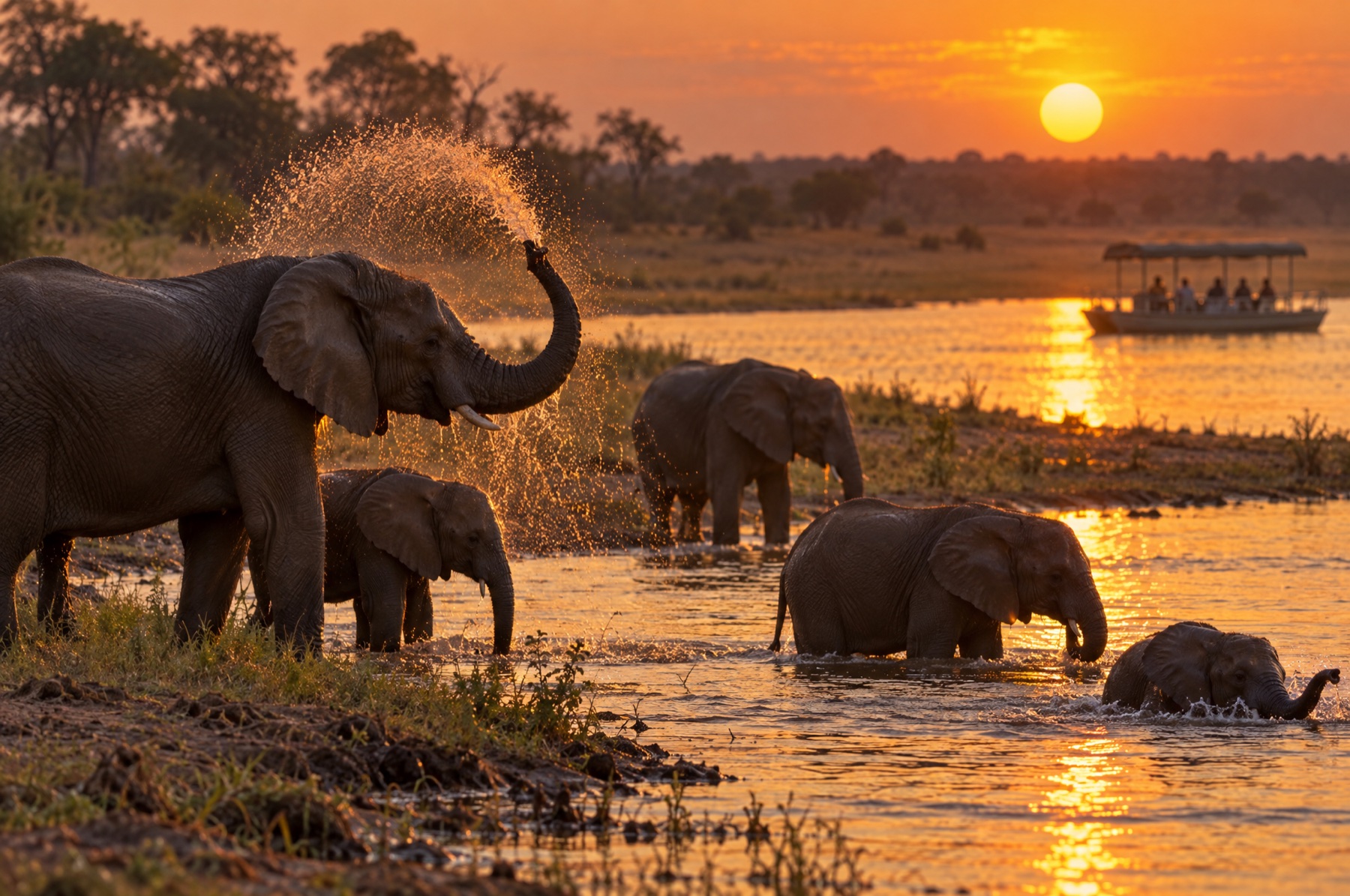
Chobe and the Linyanti
The biggest elephant herds on earth
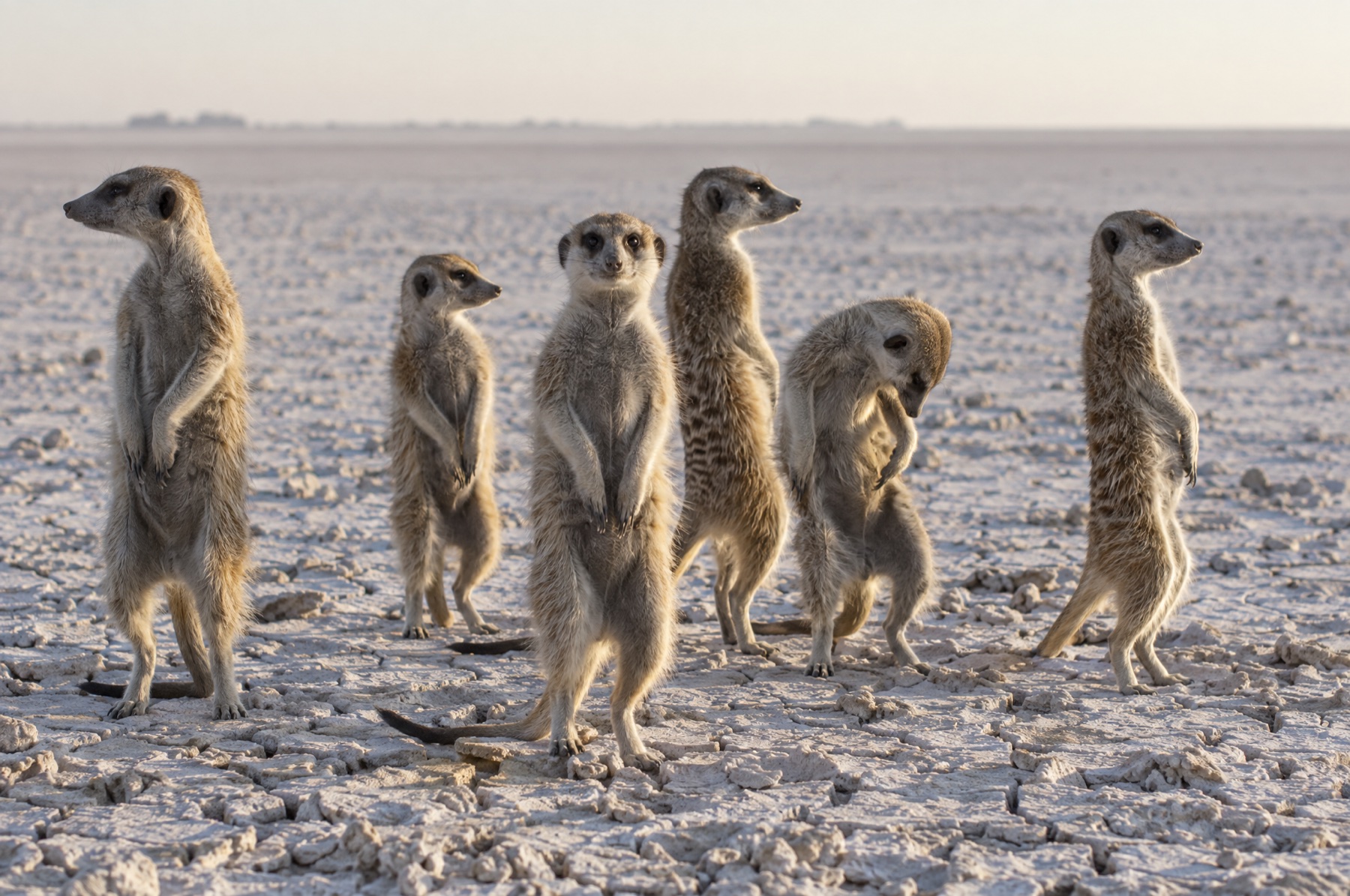
The Kalahari and the Salt Pans
Meerkats, desert lions, and nothing for miles
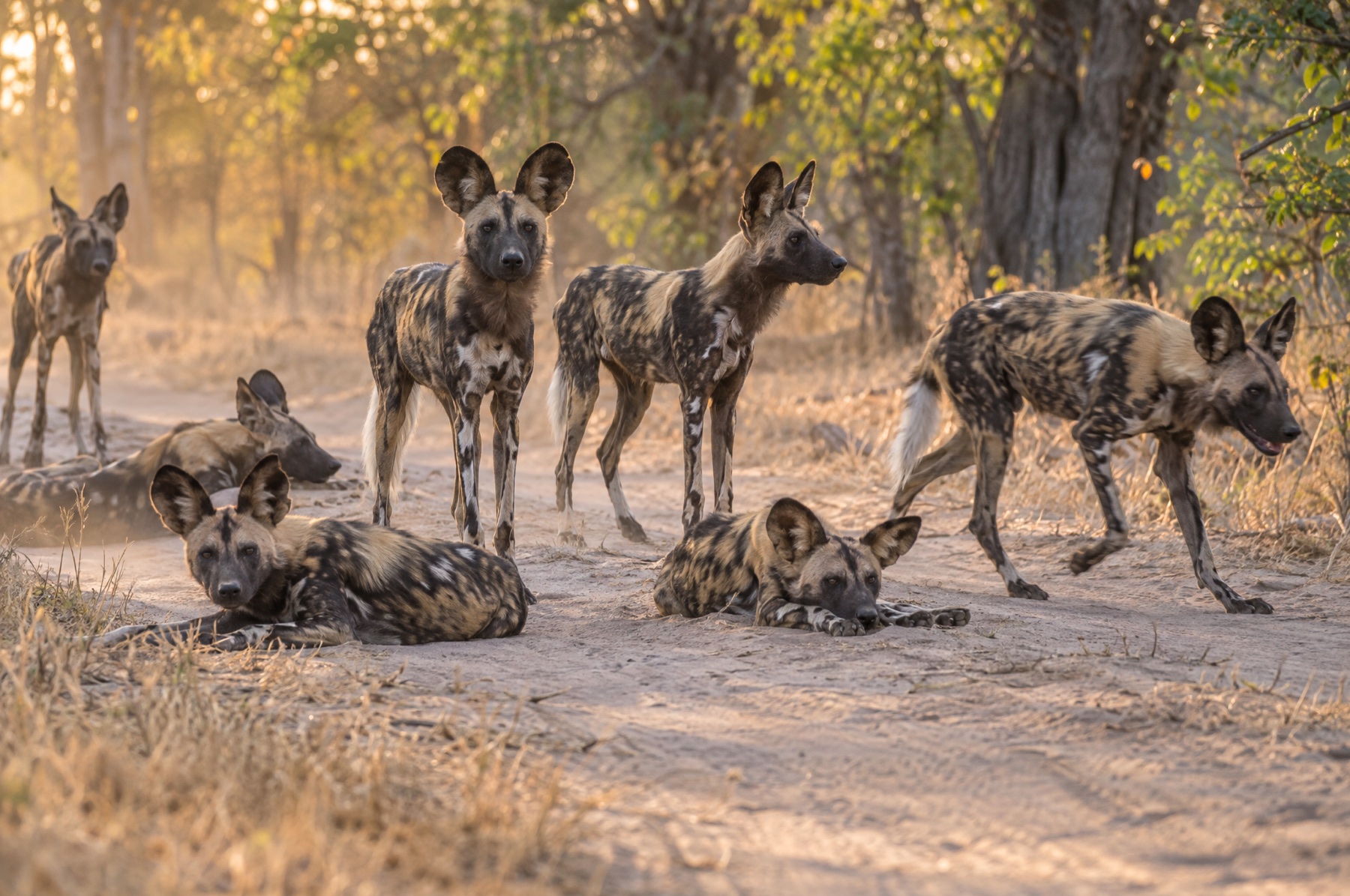
Moremi and Khwai
Predators on the Delta's edge
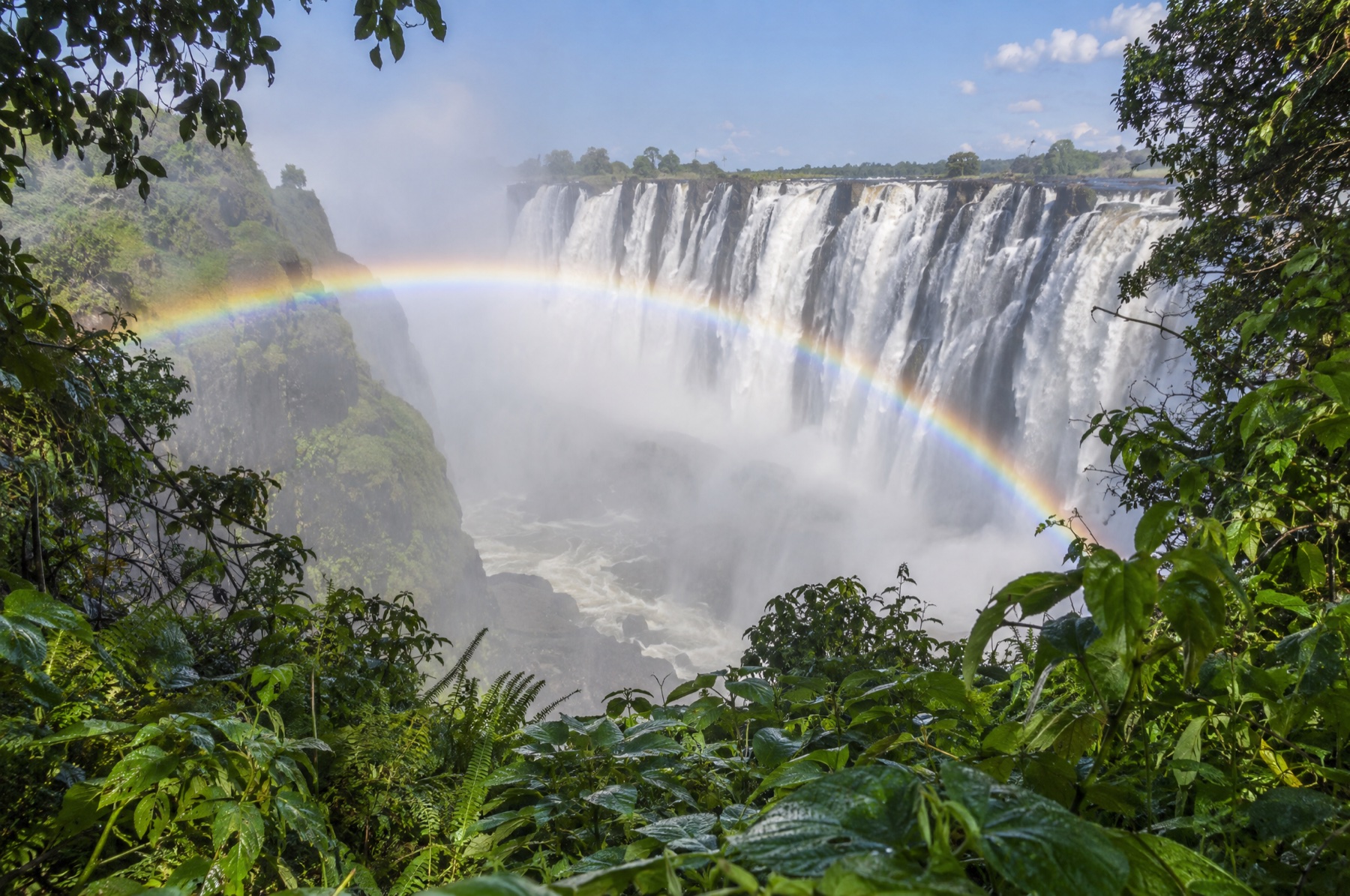
Victoria Falls, Next Door
An easy add across the border
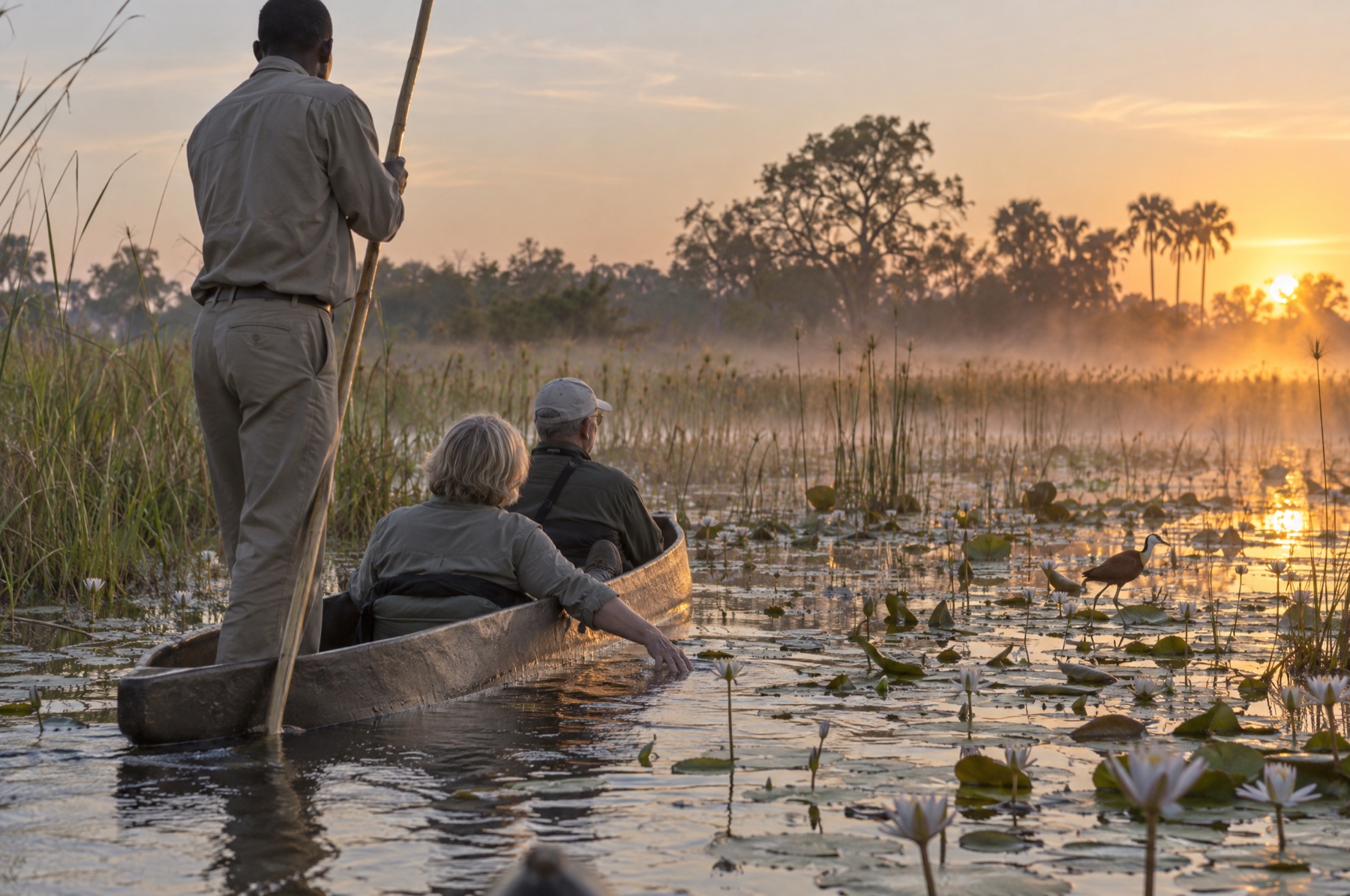
Slow water and small camps.
In the Delta you move by mokoro, a dugout canoe poled through the reeds at eye level with the frogs and the lilies. Elephants cross the channel in front of you. That can be the whole morning.
Camps here have six to ten tents, and everything is included: the drives, the walks, the boat, the drinks, the laundry. There's no bill at the end and nothing to decide. You wake, you go out, you come back, you eat, you go out again.
When to go.
Botswana runs on two clocks: the rains, and the flood that arrives months later from the Angolan highlands. They don't line up, so the best month depends on what you most want to see.
June to October is the dry season and the peak: the Delta is full, the bush is thin, and animals crowd the water. It's also the most expensive time. November to March is the green season: hot, occasional storms, the bush lush and full of newborn animals, and prices thirty to forty percent lower. The Kalahari flips the script; it's at its best in the green season when the zebra migration arrives on the pans. April and May are the quiet sweet spot.
How long, and what it costs.
How Long You Need
Seven nights is the minimum: two camps, three or four nights each. Ten lets you add the Kalahari or Chobe. Because everything moves by light aircraft, fewer camps with longer stays is almost always the better trip.
Roughly What It Costs
Our trips run from about $350 to $2,500 per person per day. Botswana's camps are all-inclusive and reached by light aircraft, so there is a floor to the price that other countries don't have; above that, the camp you choose sets the number, and there are excellent camps well short of the top. The green season brings prices down substantially. See what affects your budget.
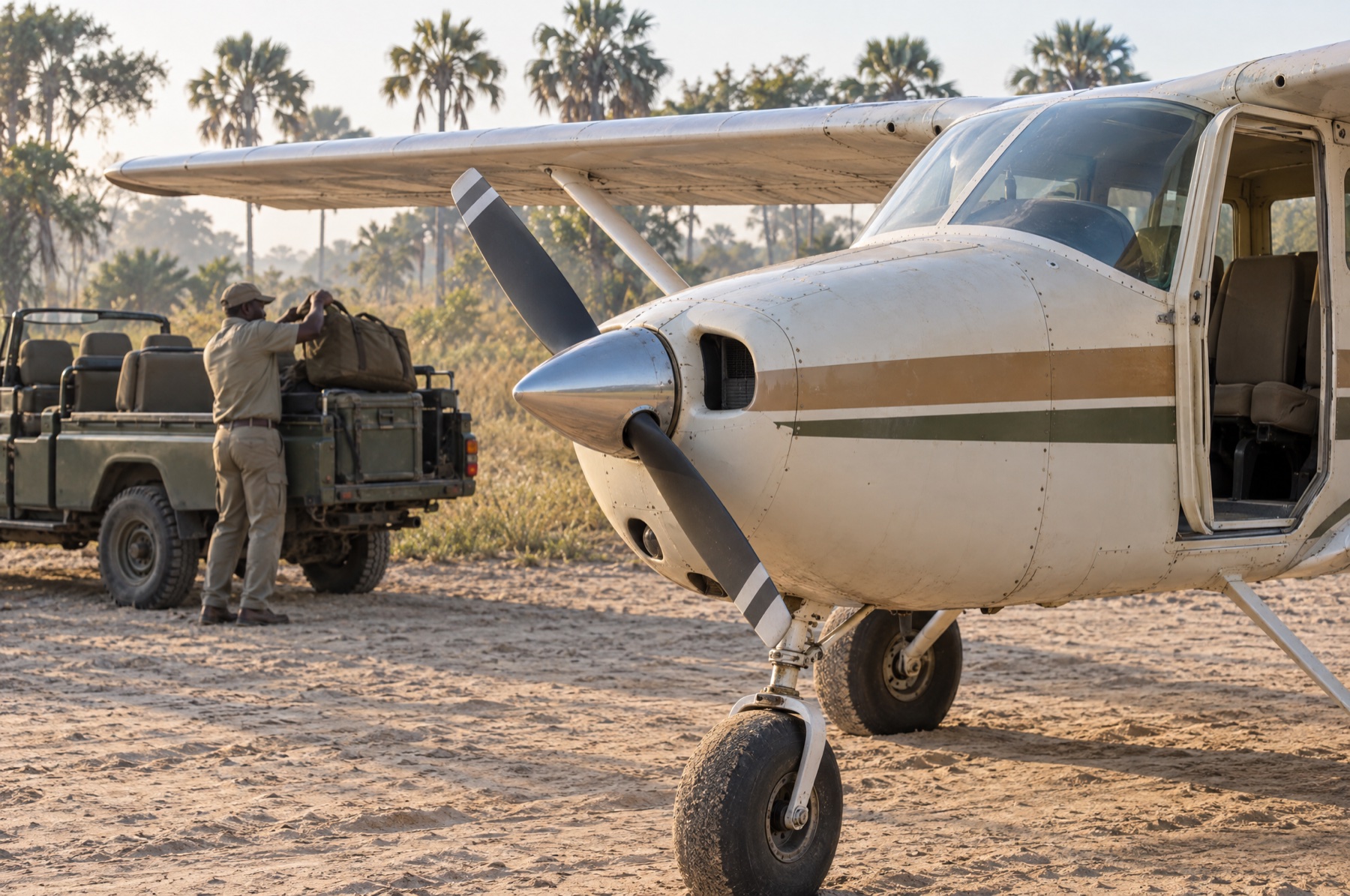
Fly in, stay put, and let the wildlife come to you.
Camps in Botswana are reached by small plane from Maun, twenty minutes over a landscape that looks like a map of veins. You land on a dirt strip, a vehicle is waiting, and from then on you don't move again until it's time to fly to the next one.
That's why we say two or three camps, not five: every move costs you a morning, and the mornings are the best part.
Who it suits.
Second-Time Safari-Goers
If you've done Kenya or the Kruger and want the wilder, quieter version, this is it. No fences, no crowds, no tar roads.
Couples
Small camps, private decks, dinners under the stars. Botswana is the most romantic safari country there is, which is why it's the honeymoon favorite.
Serious Wildlife People
Wild dogs, huge elephant herds, lions that hunt in daylight, and guides who are among the best on the continent.
Anyone Who Wants to Switch Off
No phone signal in most camps, nothing to decide, and days set by the light rather than the clock.
Three shapes a trip to Botswana can take.
These are starting points, not packages. We change any of them to suit the people going.
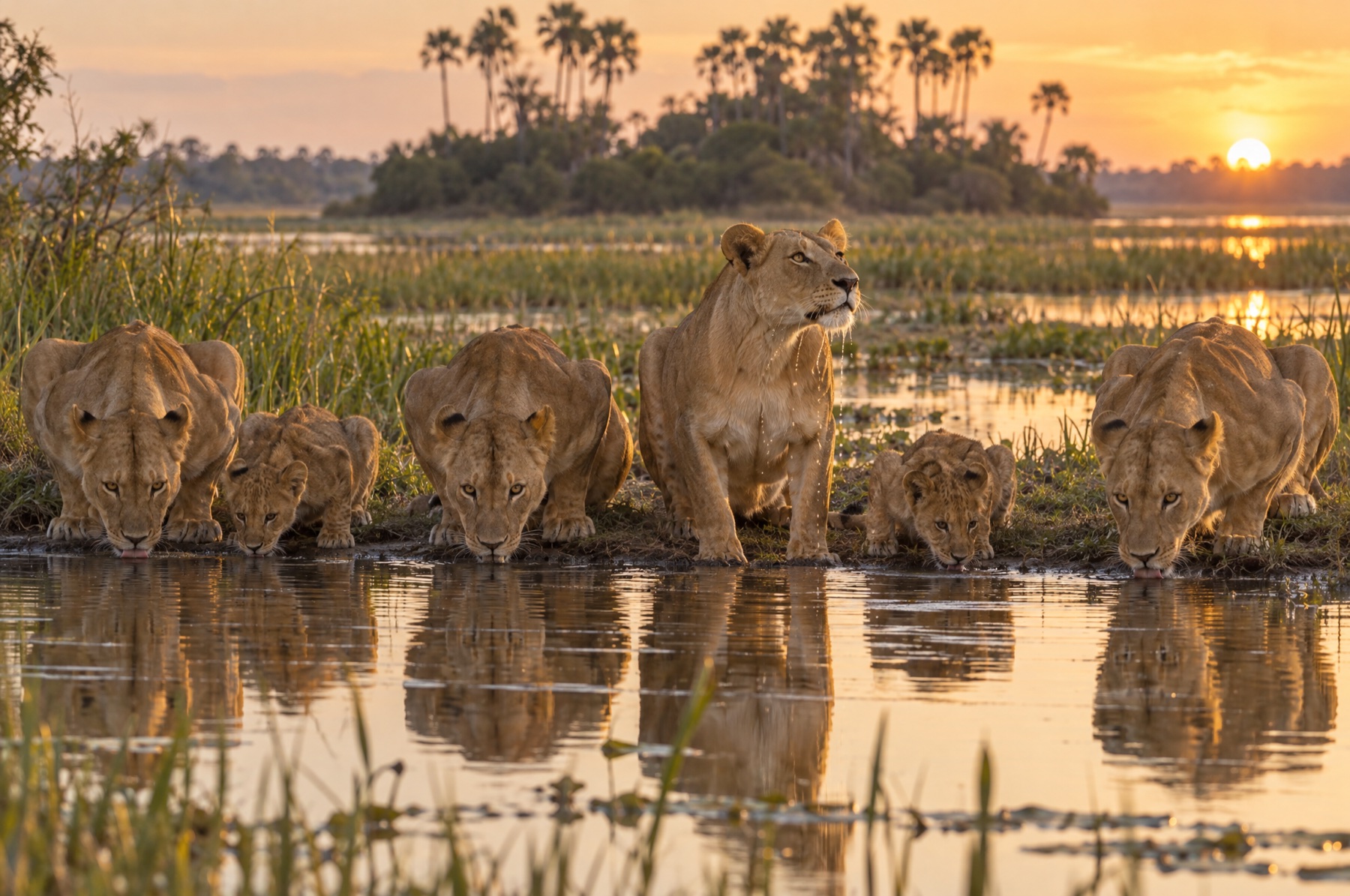
Water and Land
A Delta water camp and a dry-land camp in Moremi or Khwai. Seven or eight nights. The classic trip to Botswana.
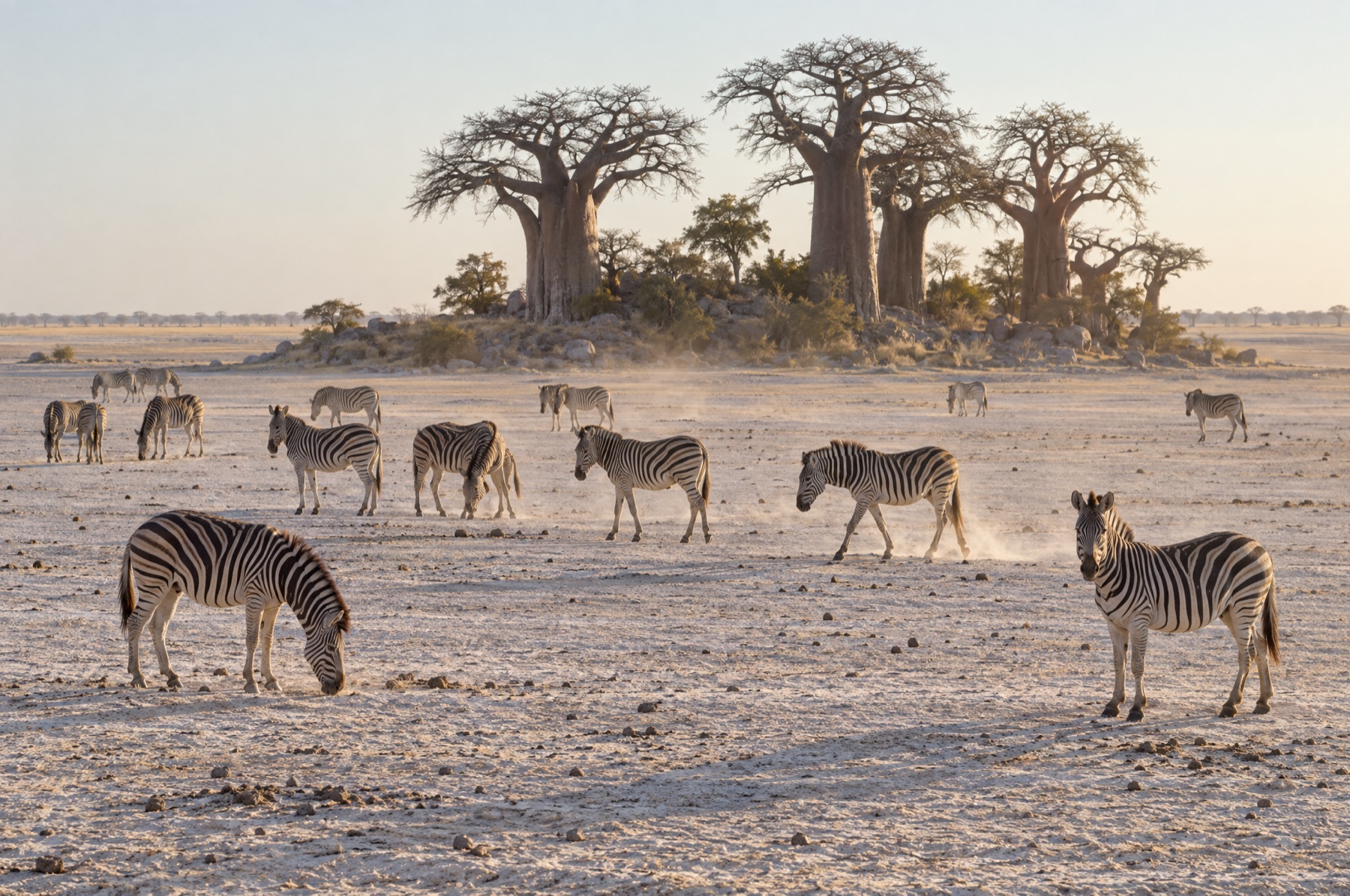
Delta and the Pans
The Okavango, then the Kalahari salt pans for meerkats, desert horizons and the strangest landscape in Africa. Ten nights.
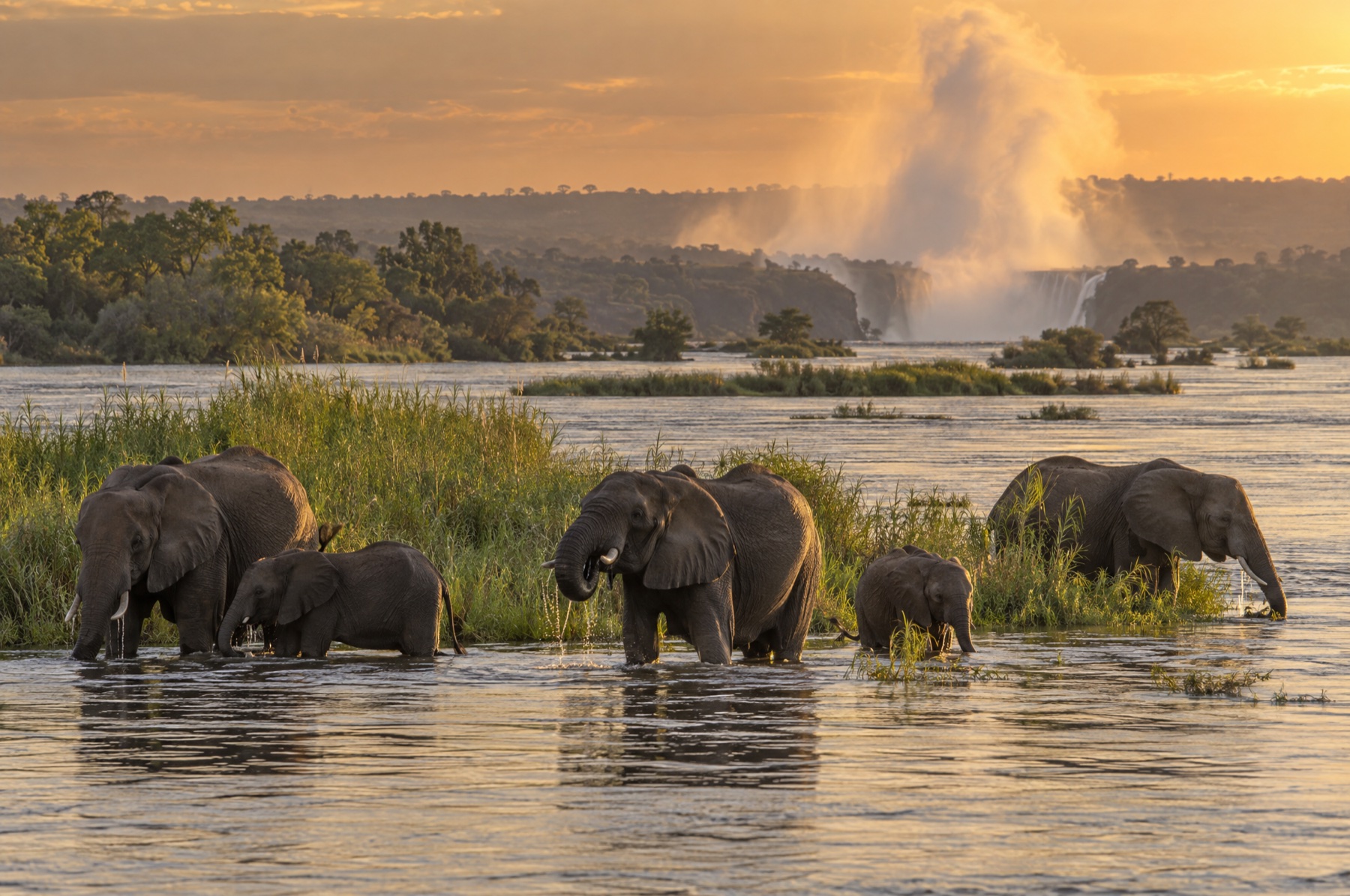
Botswana and the Falls
Chobe's elephants, the Delta, and two nights at Victoria Falls to finish. Easy connections, big contrasts.
Good to know.
Getting There
No nonstop flights from North America. Most people fly to Johannesburg, overnight or connect, then take the two-hour flight to Maun or Kasane. From there it's light aircraft to camp.
Getting Around
Light aircraft between camps, included in the price. Bags are soft-sided and limited to about 44 pounds; we'll tell you exactly what to pack.
Money
The Botswana pula, but camps are all-inclusive and tips can be in US dollars. There's almost nothing to spend money on once you're there.
Health
The Delta and the north are malaria areas, worst in the green season. Your doctor or a travel clinic will advise on tablets. The Kalahari is lower risk.
Entry rules, health advice and airline schedules change. We confirm all of it for your dates before you book.
Plan your trip to Botswana.
Tell us your dates and what you're picturing. We'll match the camps to you and tell you honestly what it costs.
Start Planning Your TripPrefer to talk? Call +1 512 844 5281.