
From our first meeting, it was clear Dean really knew what he was talking about. We ended up going to a number of different locations in Kenya and Tanzania, ending the trip on the beach in Zanzibar. WOW! What an amazing experience.
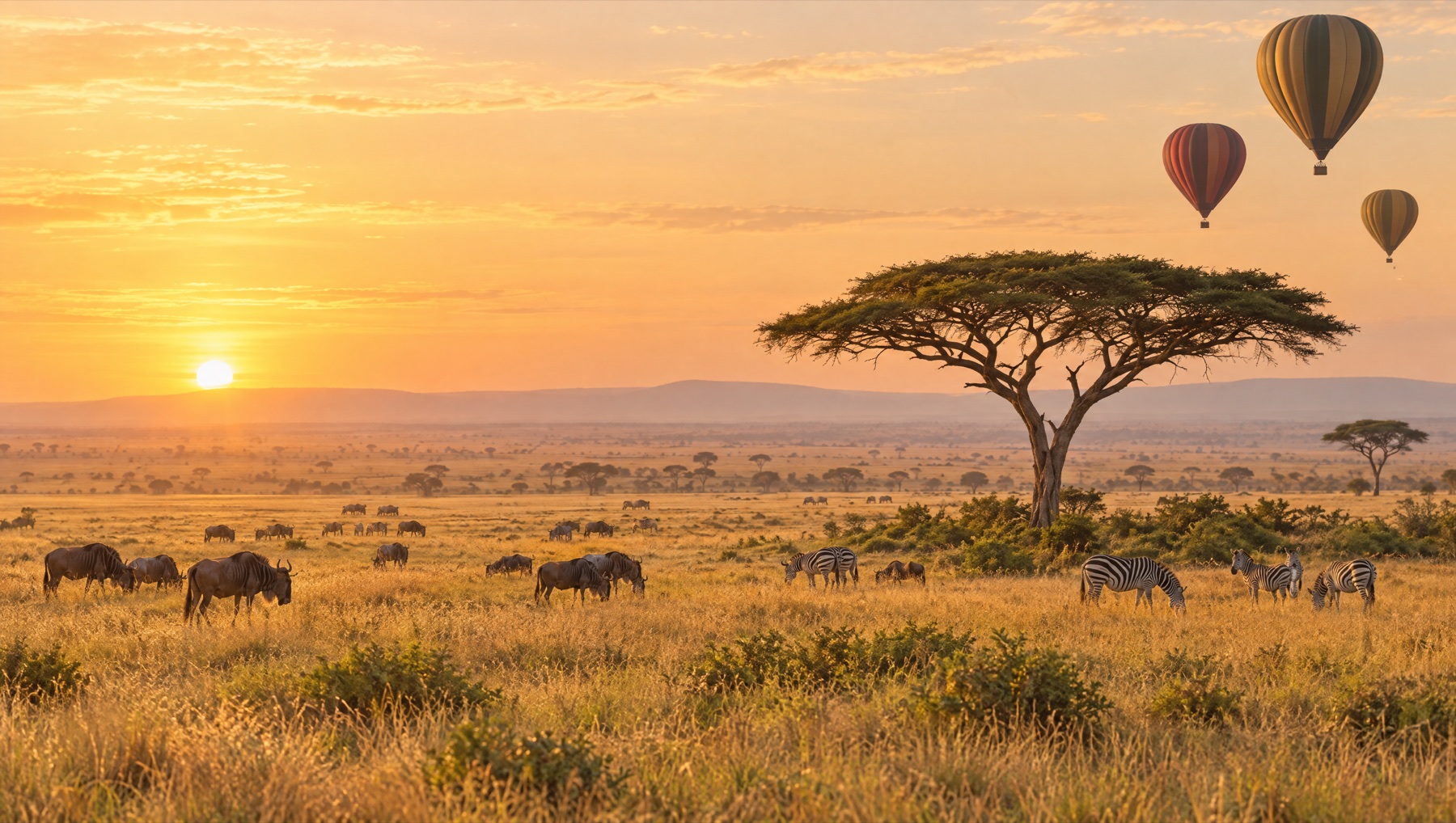
Kenya
The safari everyone pictures. Open plains, big skies, the Masai Mara, and the river crossings of the great migration. Kenya is where the word ‘safari’ comes from.
Why Kenya.
If you close your eyes and picture Africa, you're picturing Kenya: the acacia on the horizon, the Maasai in red, a million wildebeest on the move. It has been the classic safari for a century and it hasn't stopped earning it.
The Masai Mara is the headline, and in migration season it's the greatest wildlife show on earth. But Kenya's second act is what makes the trip: Laikipia's private conservancies, where you walk, ride and track rhino with no other vehicles in sight; Amboseli with Kilimanjaro behind the elephants; and a coast with Swahili history and real beaches. It's also the one East African country with a nonstop flight from New York.
Kenya, on the east coast, straddling the equator
Direct flightsKenya Airways flies nonstop from New York, about 14 hours
EntryAn online travel authorization, applied for before you fly
English and SwahiliEnglish everywhere you'll go
MalariaYes, in most safari areas; tablets are the norm
Where to go.
The Mara is the reason most people come. The conservancies around it, and the north, are the reason they come back.
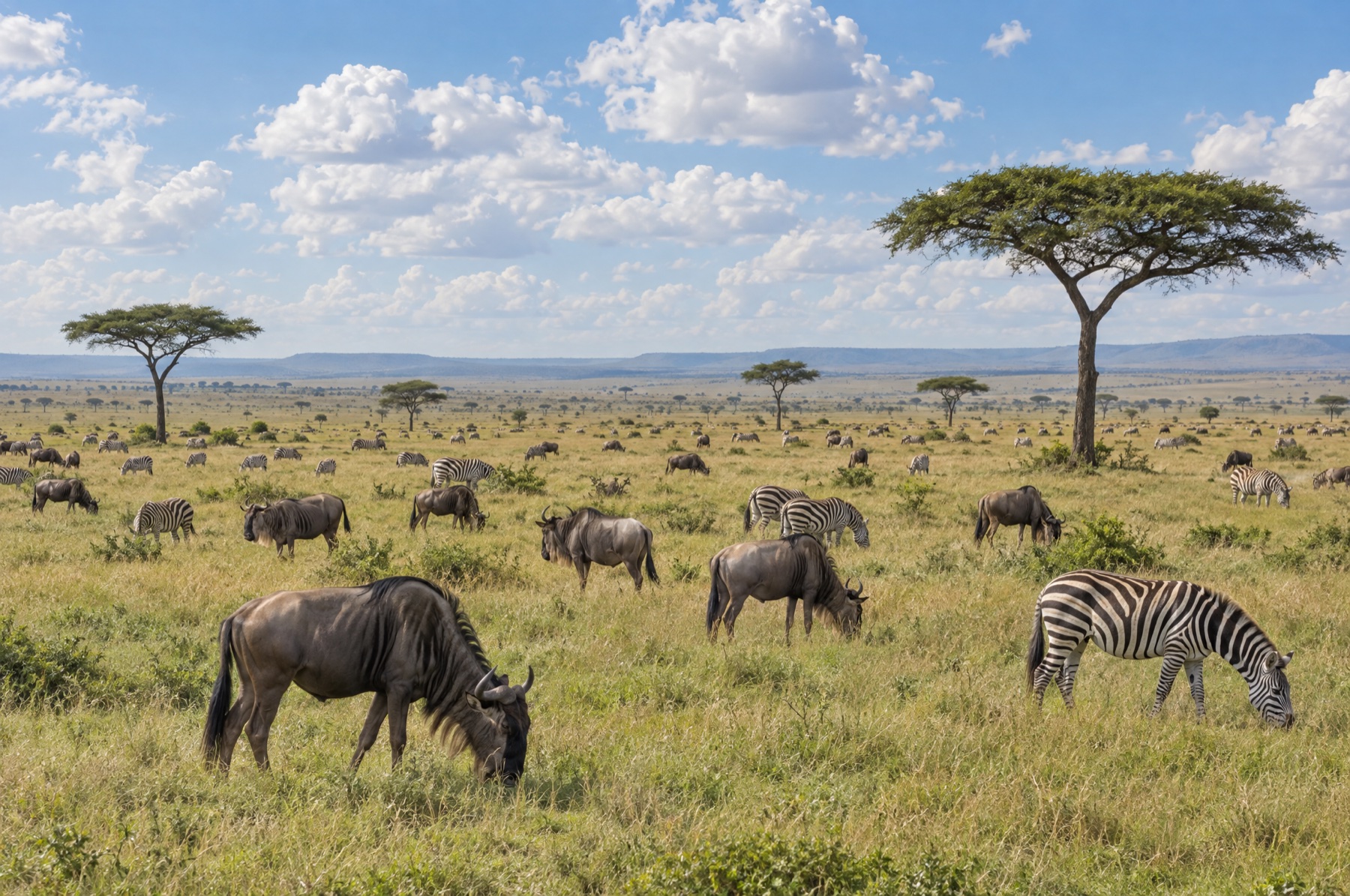
The Masai Mara
The migration, the big cats, the classic plains
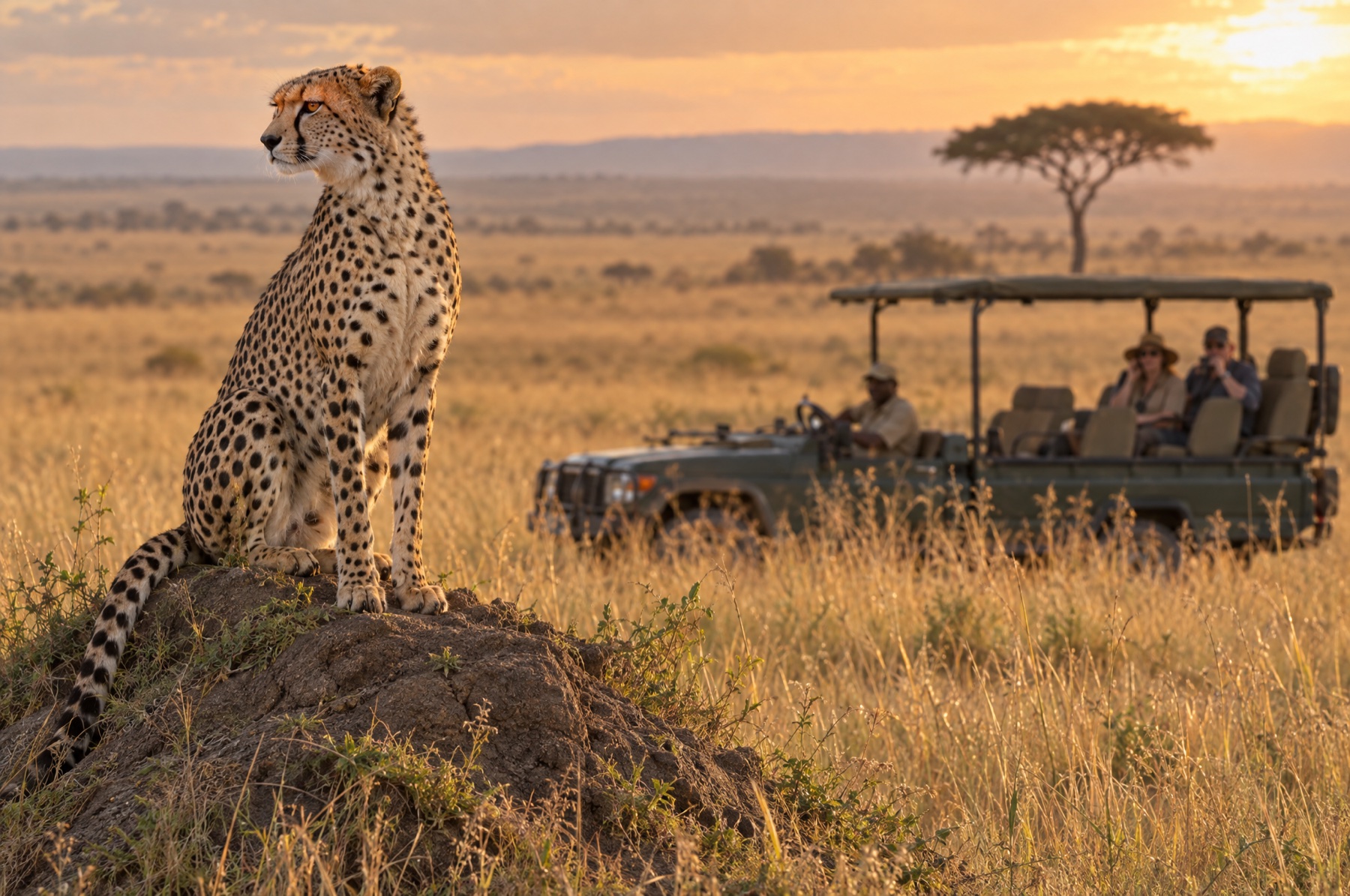
The Mara Conservancies
Private land, no crowds, night drives and walks
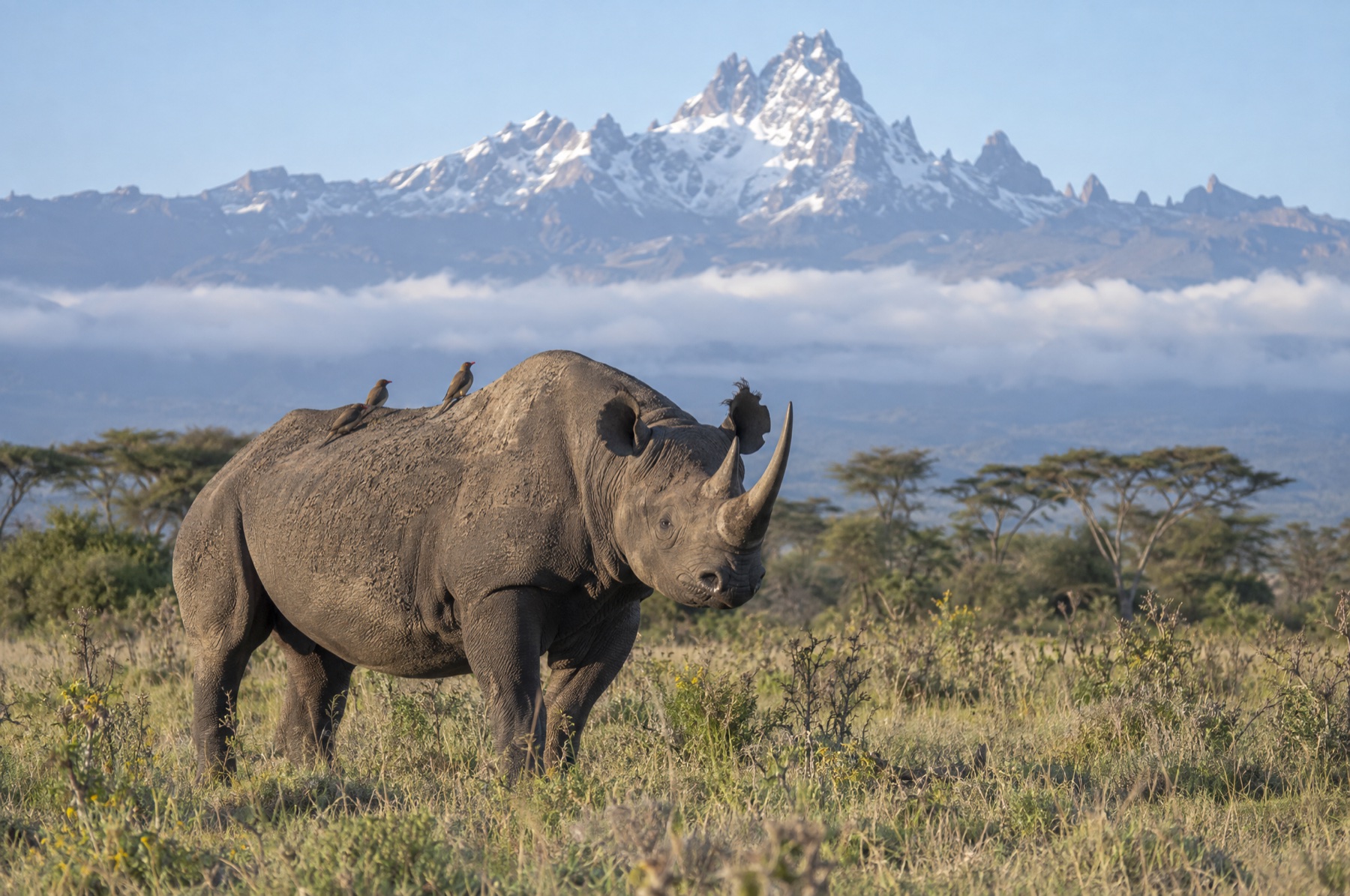
Laikipia and Samburu
Rhino, rare species, riding and walking
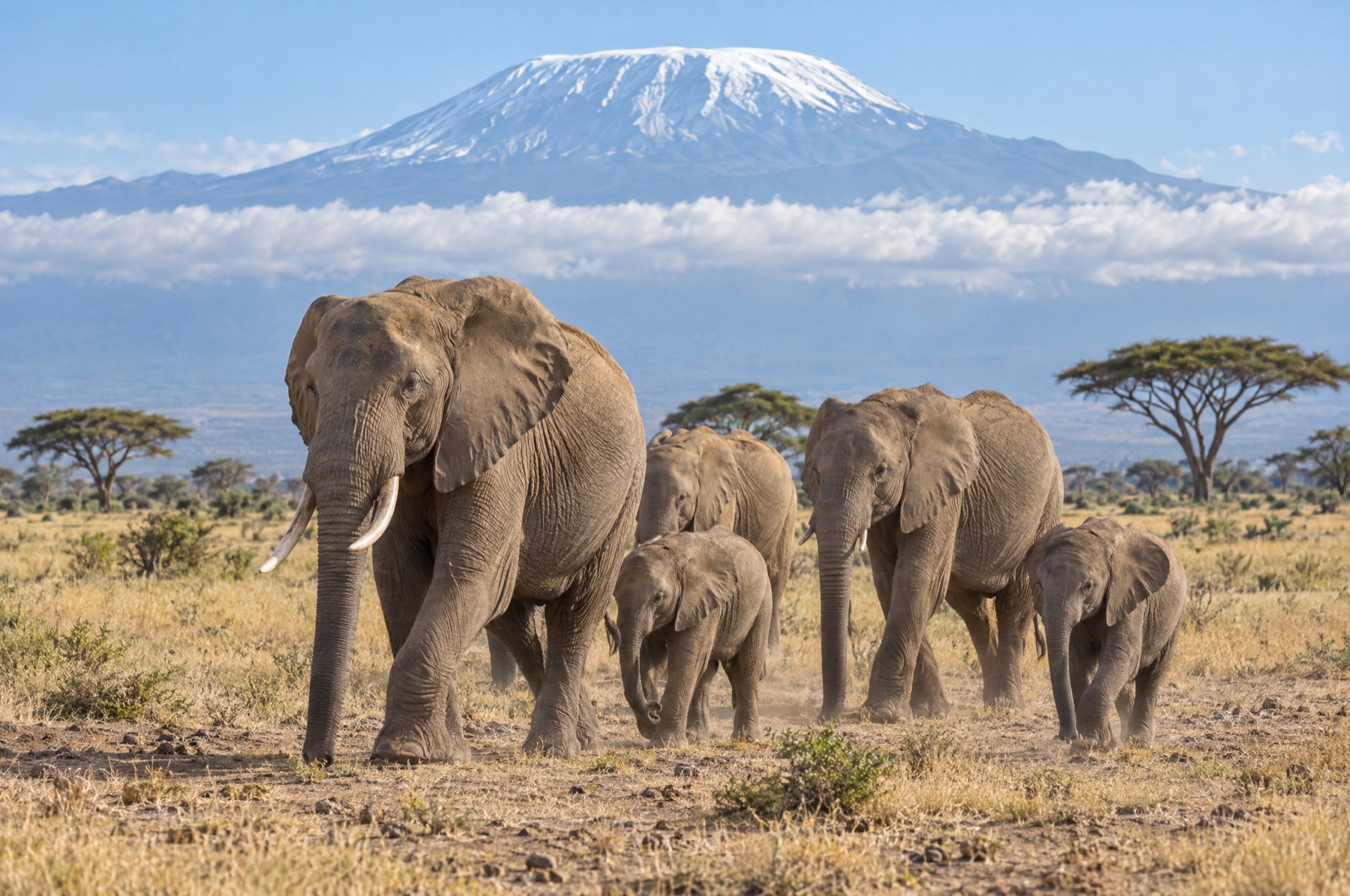
Amboseli
Big elephants under Kilimanjaro
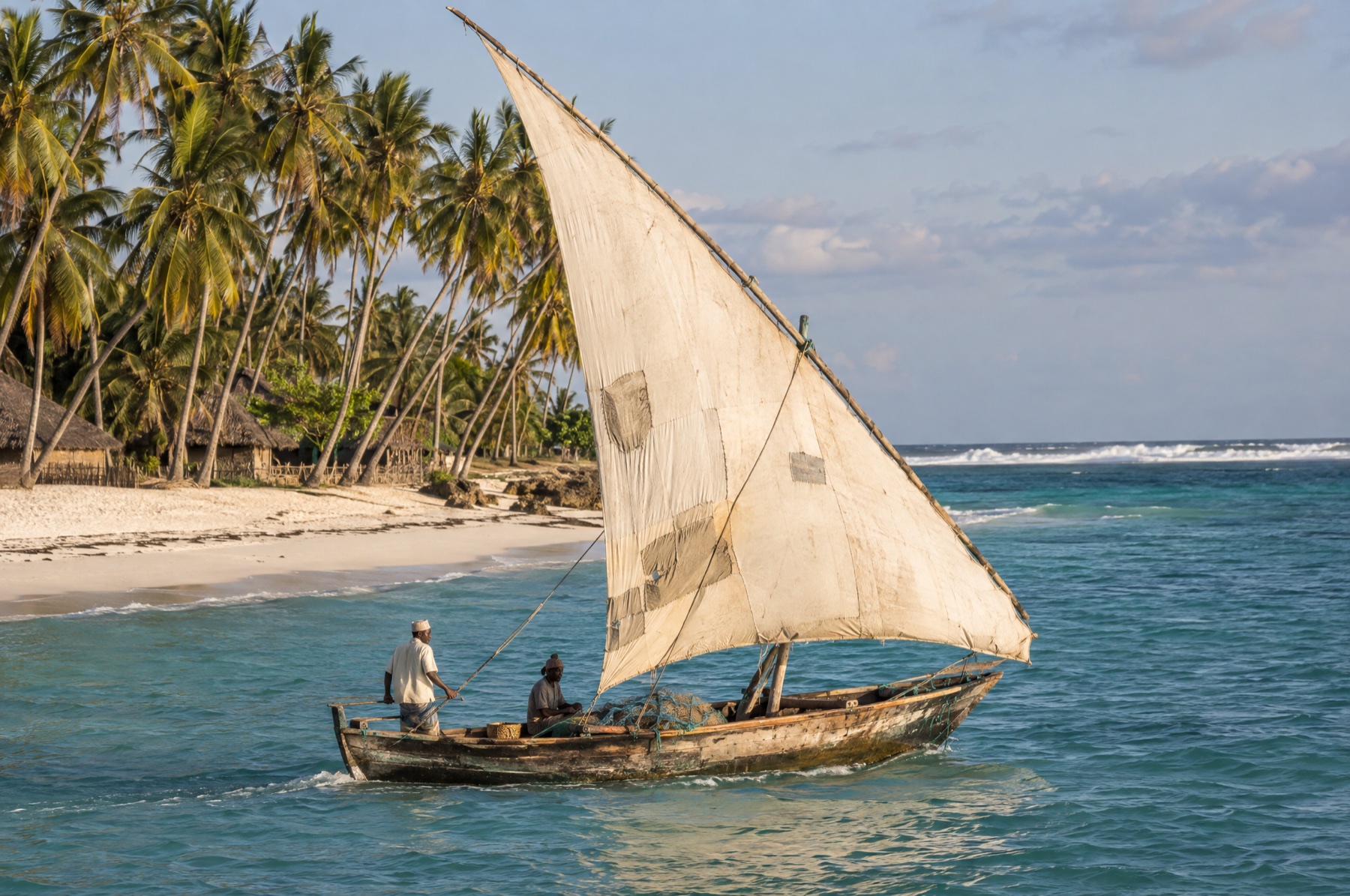
The Coast
Diani, Lamu and the Swahili shore
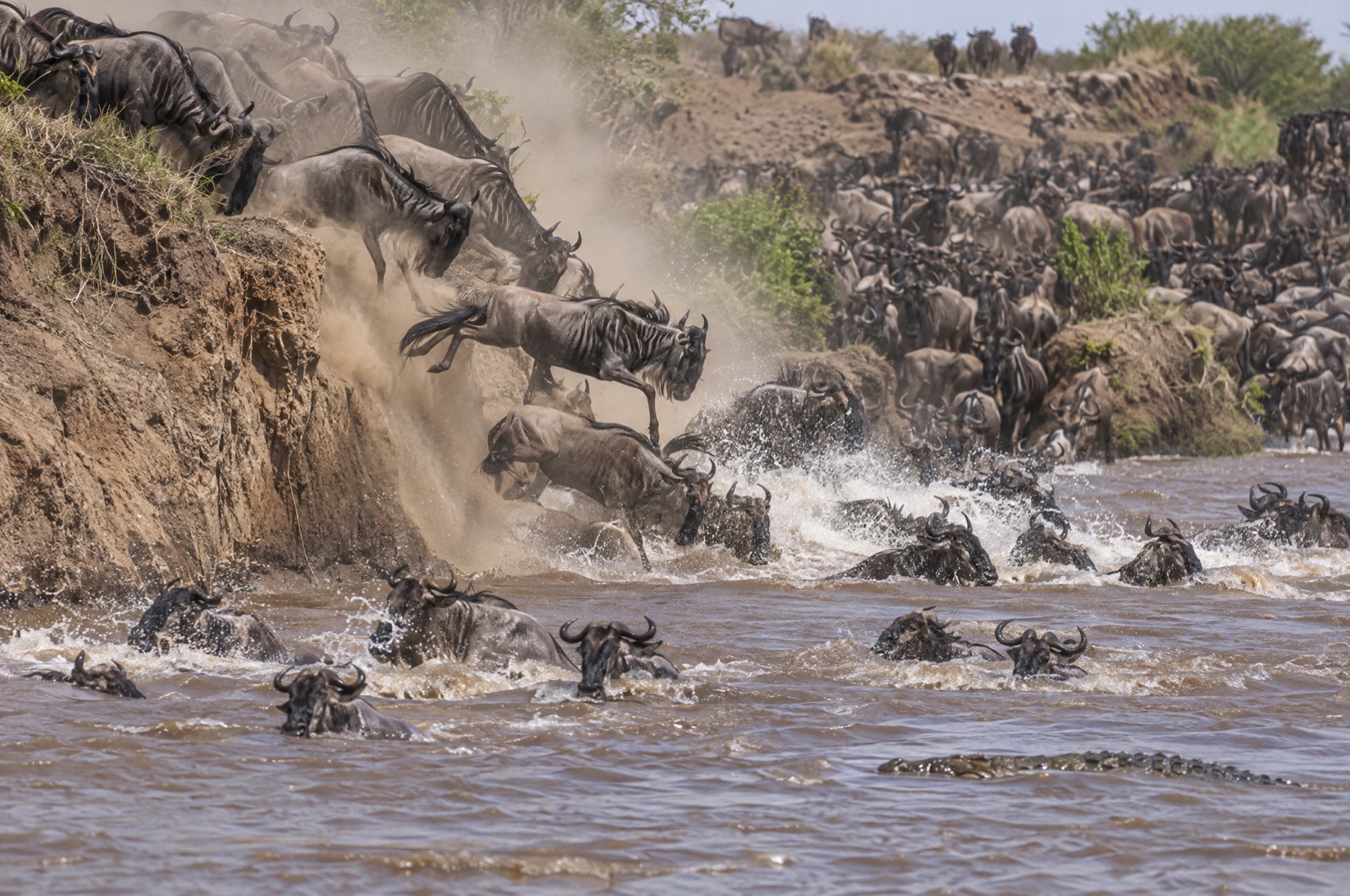
The migration is a season, not a specific date.
Roughly a million and a half wildebeest and zebra circle the Serengeti and the Mara every year. They're in Kenya from about July to October, and the river crossings, when they plunge through crocodile water, are the moment everyone wants.
A crossing can't be scheduled. You might see three in a morning or none in three days. What you can count on in those months is the sheer density of animals, and the predators that follow them. And outside migration season, the Mara is still one of the best places on earth to see lions, and a great deal quieter.
When to go.
Kenya has two dry seasons and two rainy ones, and the migration adds a third rhythm on top. The good news is that most of the year works.
J
F
M
A
M
J
J
A
S
O
N
D
Migration in the Mara
General game viewing
Laikipia and the north
The coast
BestGoodNot the time
July to October is peak: the migration is in the Mara, the weather is dry, and prices and crowds are at their highest. January and February are the other dry window, hot and excellent for game, with the plains full of newborns. The long rains fall in April and May and many camps close or drop their rates; the short rains in November are lighter and often a lovely, green, uncrowded time. The coast is best from December to March and July to October.
How long, and what it costs.
How Long You Need
Eight nights for a first trip: the Mara and one other region. Ten to twelve if you want the coast at the end, which we'd recommend; the flight from the Mara to the beach is under two hours.
Roughly What It Costs
Our trips run from about $350 to $2,500 per person per day, and Kenya spans the whole range: a comfortable four-star safari toward the lower end, a private conservancy camp in migration season at the top. It comes down to the camps you choose and when you travel; January, February and the shoulder months cost less. See what affects your budget.
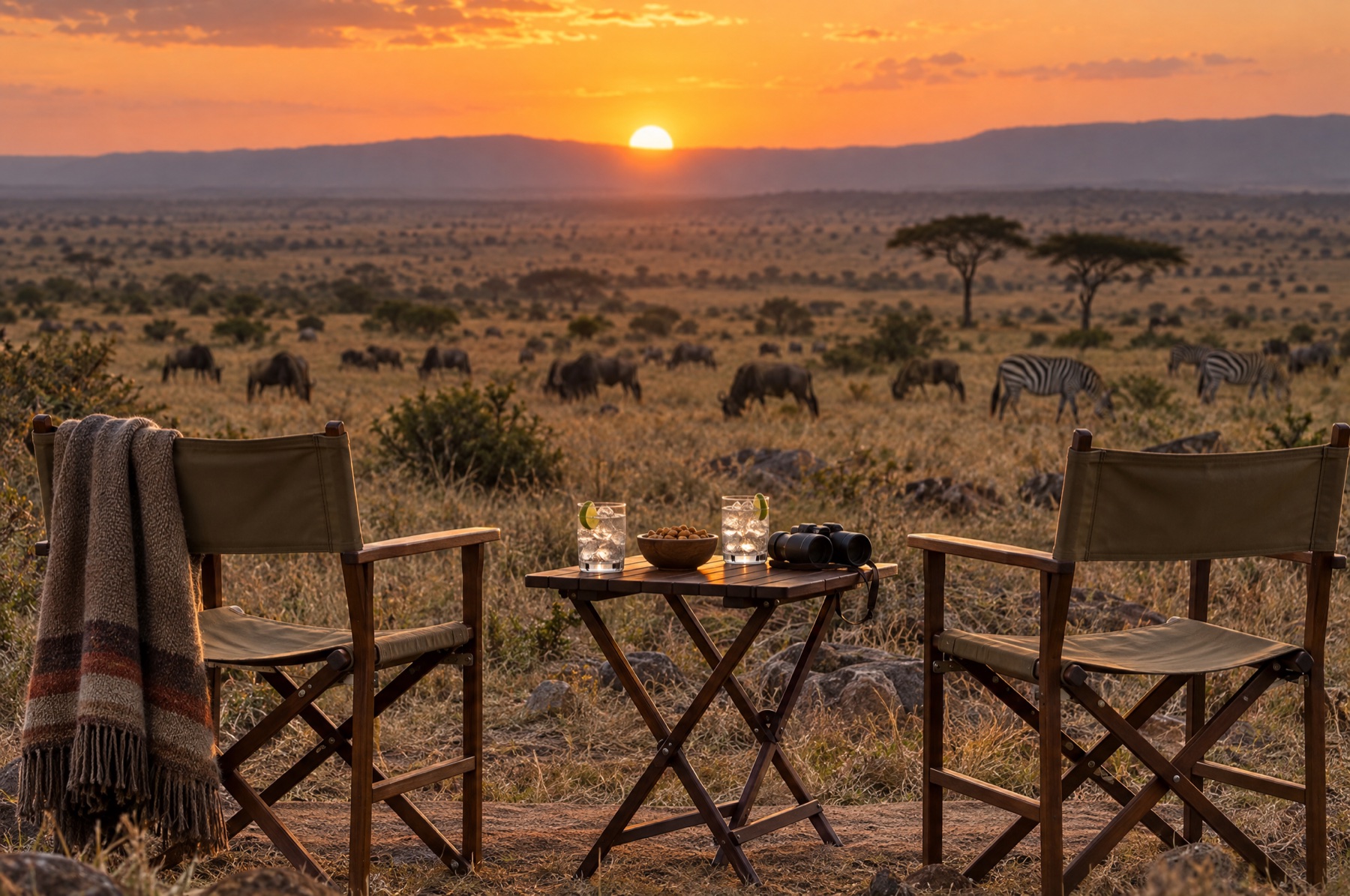
Stay on a conservancy, not in the park.
The Mara reserve itself gets busy in season. The private conservancies that surround it don't. Same animals, same landscape, a fraction of the vehicles, and you can drive off-road, walk, and go out after dark.
Your stay also funds the Maasai families who own that land. It's the single best decision you can make on a trip to Kenya, and it's the one we make for almost everyone.
Who it suits.
First-Time Safari-Goers Who Want the Icon
This is the Africa of the films, and it delivers it. Plains, cats, Maasai, sunsets. If it's your one safari, it's hard to beat.
Families
Kenya's conservancy camps are wonderful with children: walking with Maasai guides, bush breakfasts, and a beach at the end.
Wildlife Photographers
The light, the open country and the sheer volume of animals make the Mara the most productive place to point a camera in Africa.
Anyone Flying from the East Coast
The nonstop from New York makes Kenya the easiest East African safari to reach.
Three shapes a trip to Kenya can take.
These are starting points, not packages. We change any of them to suit the people going.
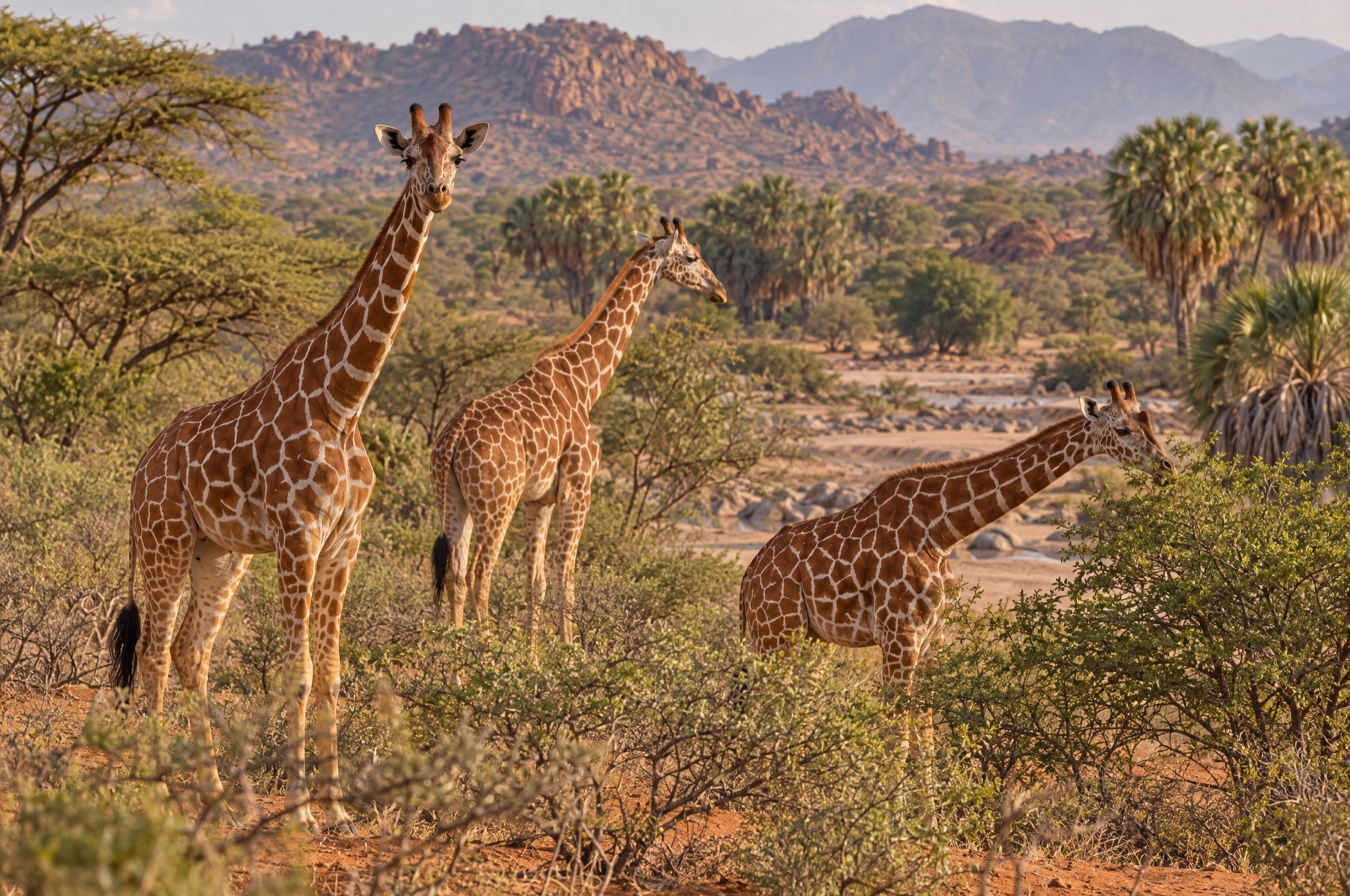
The Mara and the North
Four nights in a Mara conservancy, four in Laikipia. Big cats, then rhino, riding and walking. The best of both Kenyas.
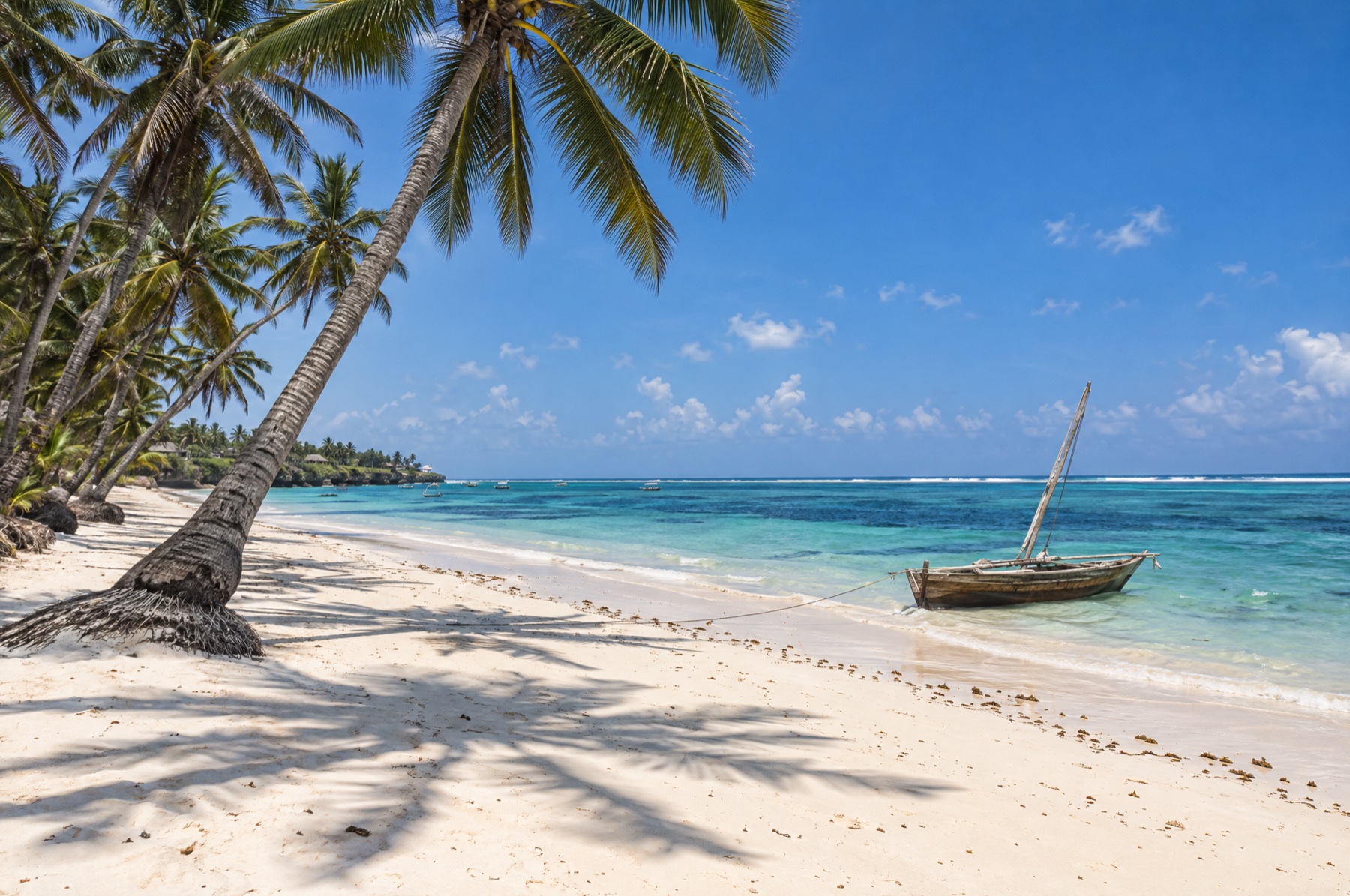
Safari and Beach
The Mara, then Diani or Lamu. Eight to ten nights. The trip most families and couples end up taking.
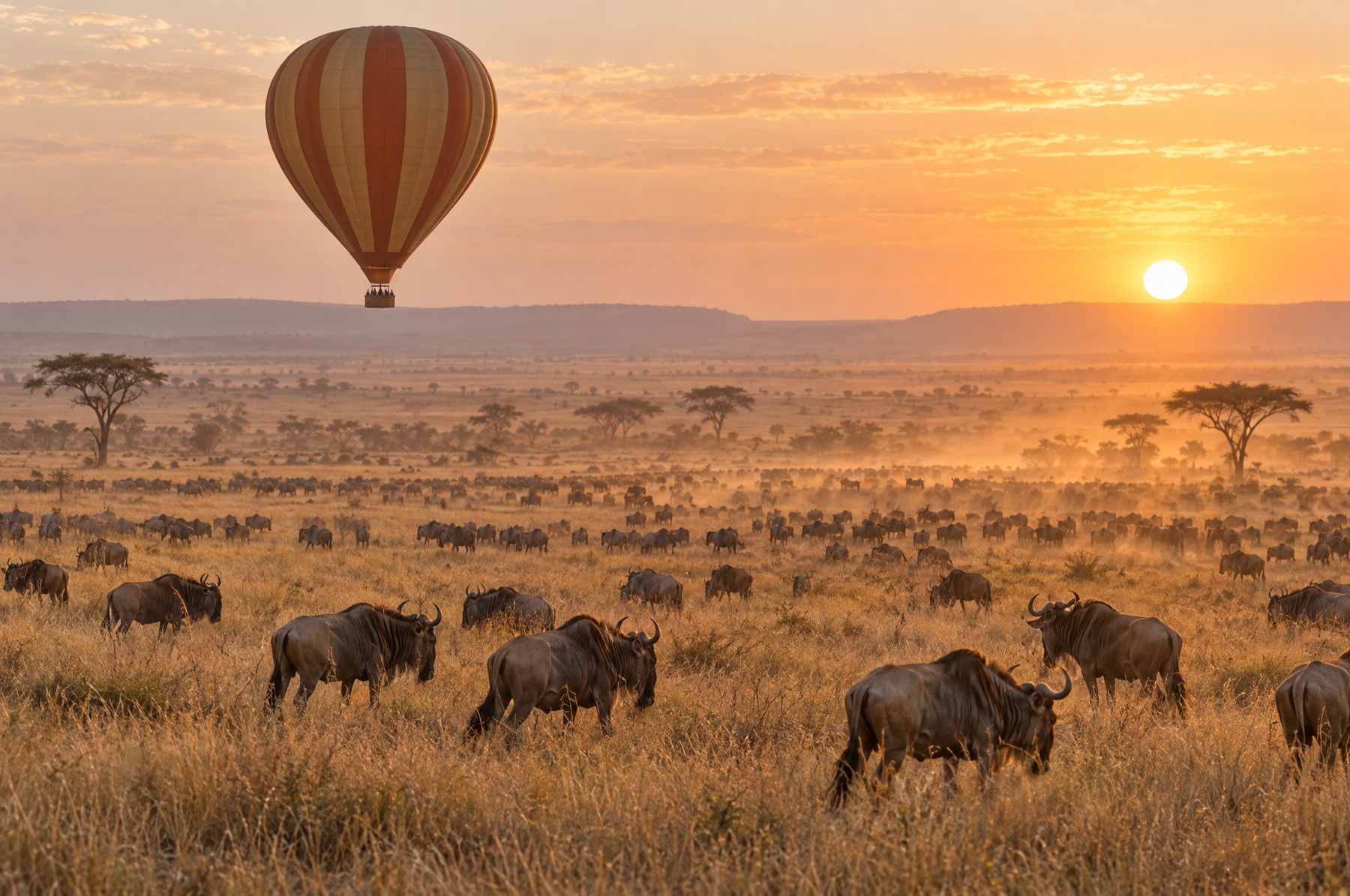
Kenya and Tanzania
The Mara and the Serengeti, one migration seen from both sides, with Zanzibar to finish. Twelve to fourteen nights.
Good to know.
Getting There
Kenya Airways flies nonstop New York to Nairobi. Otherwise it's one stop through Europe or the Gulf. From Nairobi, light aircraft reach the Mara in under an hour.
Entry
Kenya replaced its visa with an electronic travel authorization; you apply online before you travel. We'll walk you through it.
Money
The Kenyan shilling, but US dollars are widely accepted for tips and extras, and camps are largely all-inclusive.
Health
Most safari areas are malaria zones; Laikipia's altitude lowers the risk but doesn't remove it. Yellow fever vaccination may be required if you're arriving from certain countries. Your doctor or a travel clinic advises.
Entry rules, health advice and airline schedules change. We confirm all of it for your dates before you book.
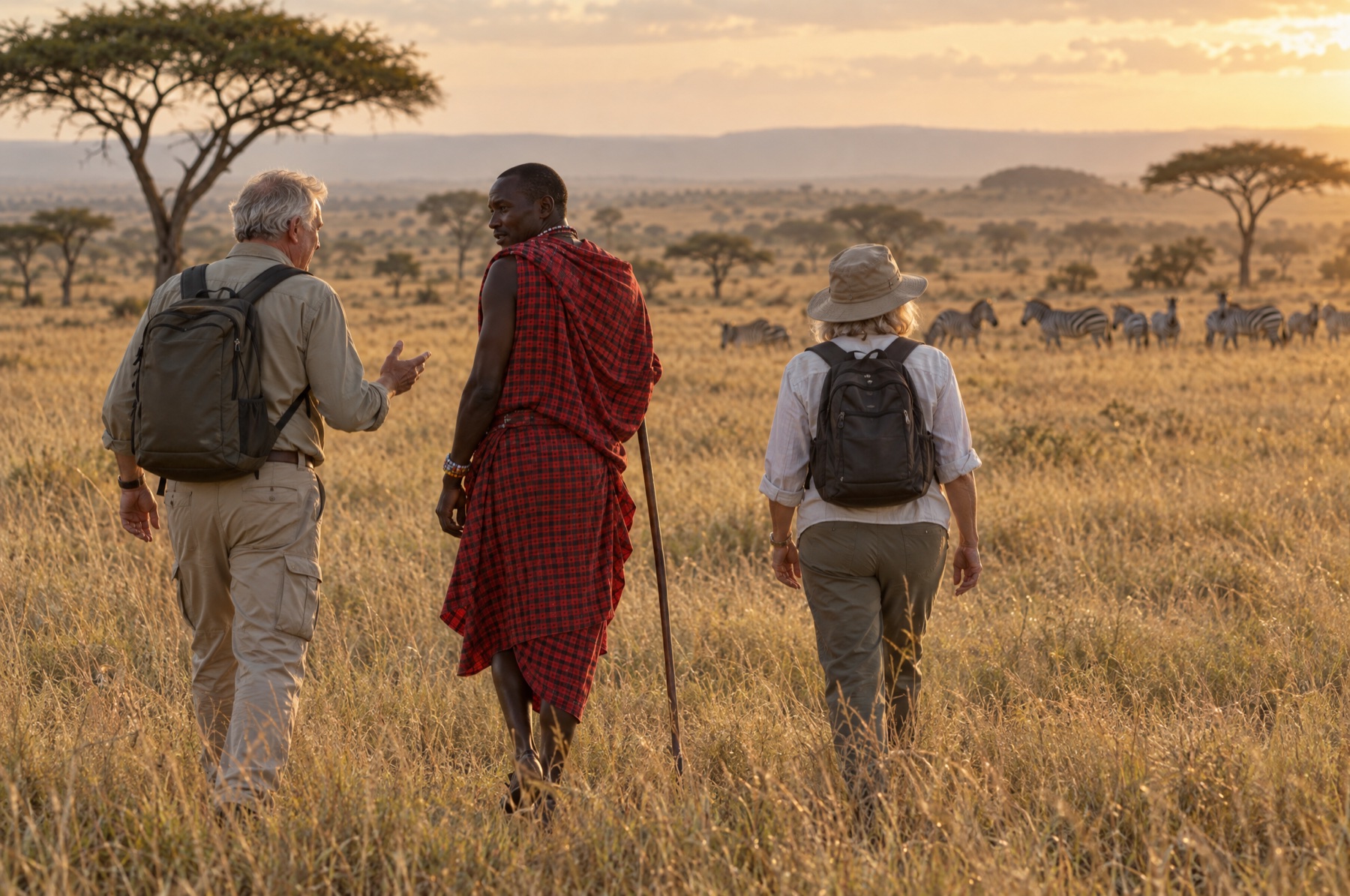
Plan your trip to Kenya.
Tell us when you'd like to go and what you're picturing. We'll tell you where the animals will be, and build the trip around it.
Start Planning Your TripPrefer to talk? Call +1 512 844 5281.