
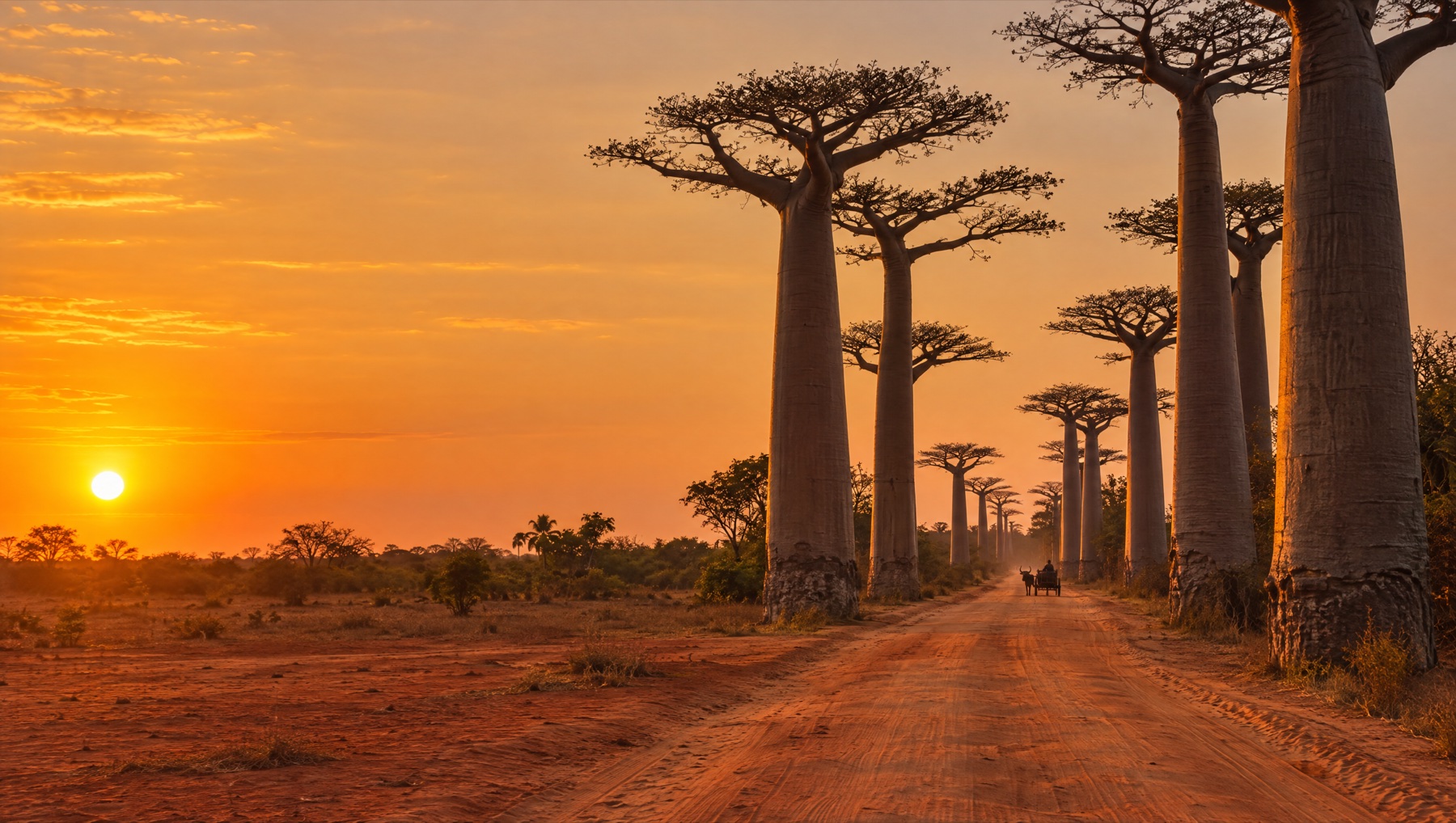
Madagascar
An island that broke away from Africa ninety million years ago and evolved on its own. Lemurs, baobabs, chameleons, and beaches nobody has heard of. Most of its wildlife lives nowhere else on earth.
Why Madagascar.
Nine in ten of Madagascar's animals and plants live nowhere else on earth. It's the reason biologists talk about it the way they talk about the Galapagos. A lemur is not a monkey and a baobab avenue is not a forest; you're seeing things for the first time.
It's also genuinely off the map. Roads are slow, comforts are simpler, and the tourist numbers are a fraction of Kenya's. That's the trade: this is not a country of luxury safari camps, though a handful of exceptional lodges exist on the coast and the islands. It's for travelers who have done the classics and want somewhere that still feels like a discovery, and who'll accept simpler comforts for wildlife they can't see anywhere else.
Madagascar, the island off Africa's southeast coast
Where to go.
Madagascar is the size of Texas with the roads of a century ago. Pick a region or two and fly between them.
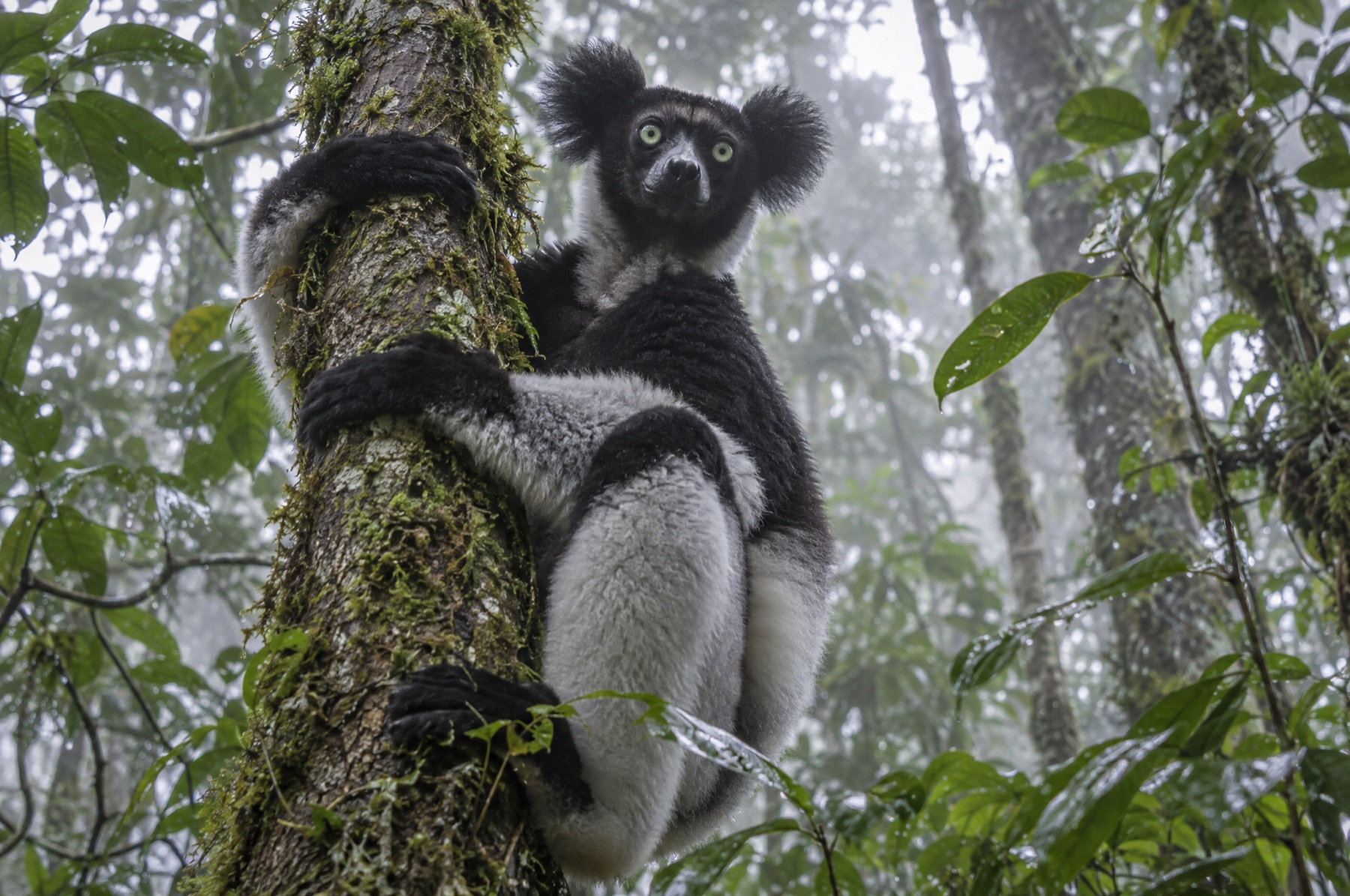
Andasibe and the Eastern Rainforest
The indri, the largest lemur, and its dawn song
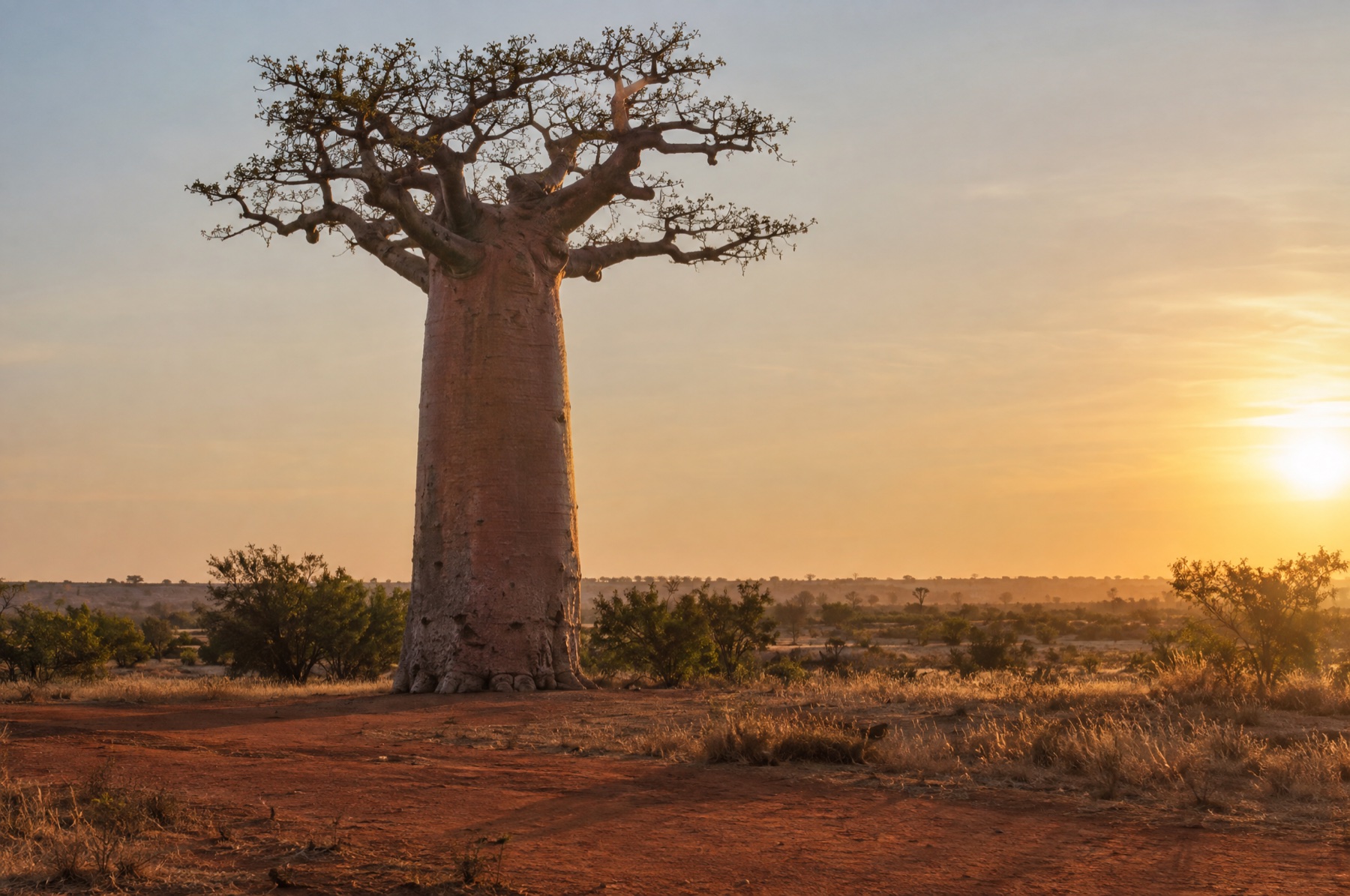
The West: Morondava and the Baobabs
The Avenue of the Baobabs at sunset
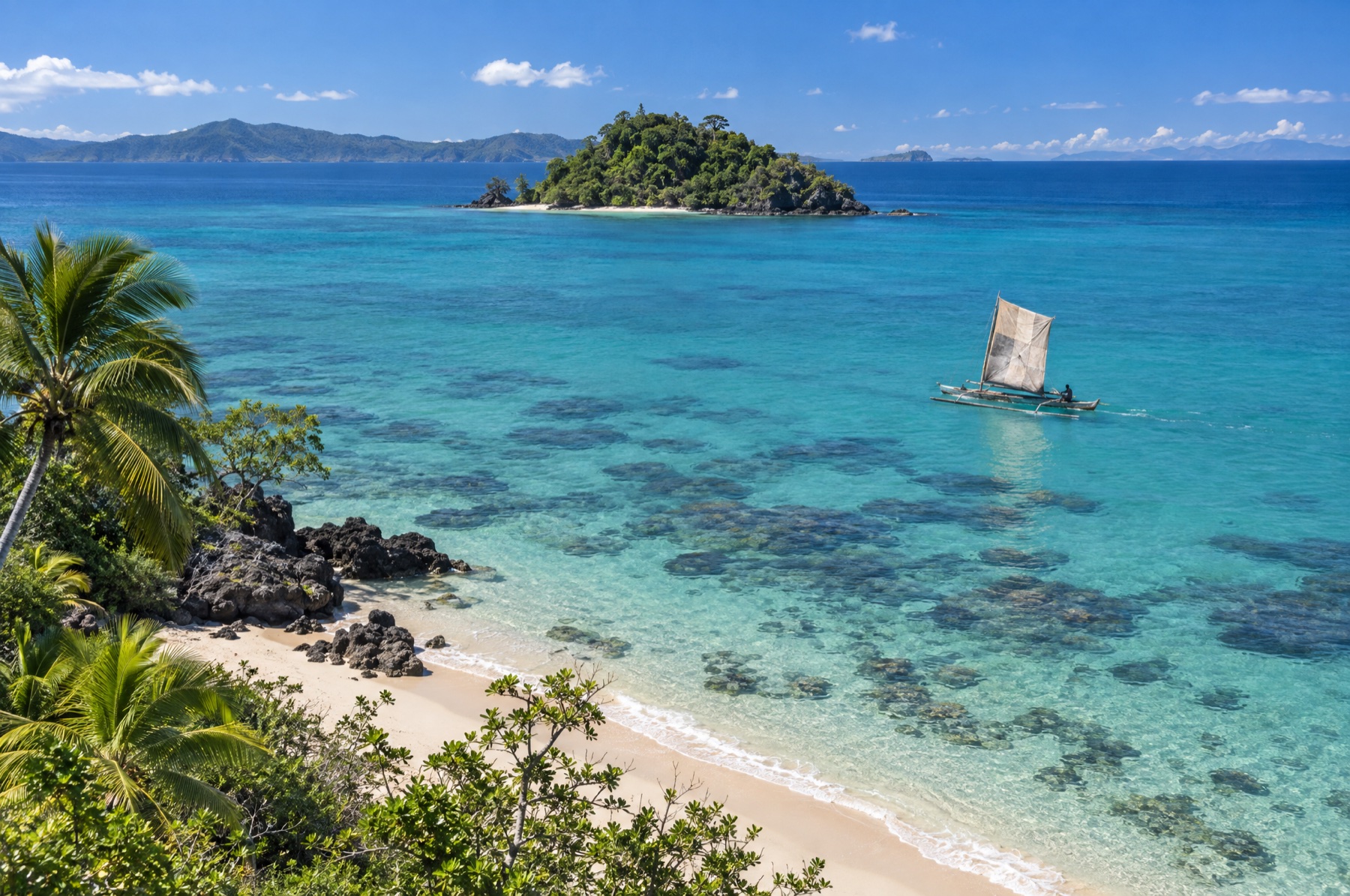
The North: Nosy Be and the Islands
Whale sharks, reefs and beaches
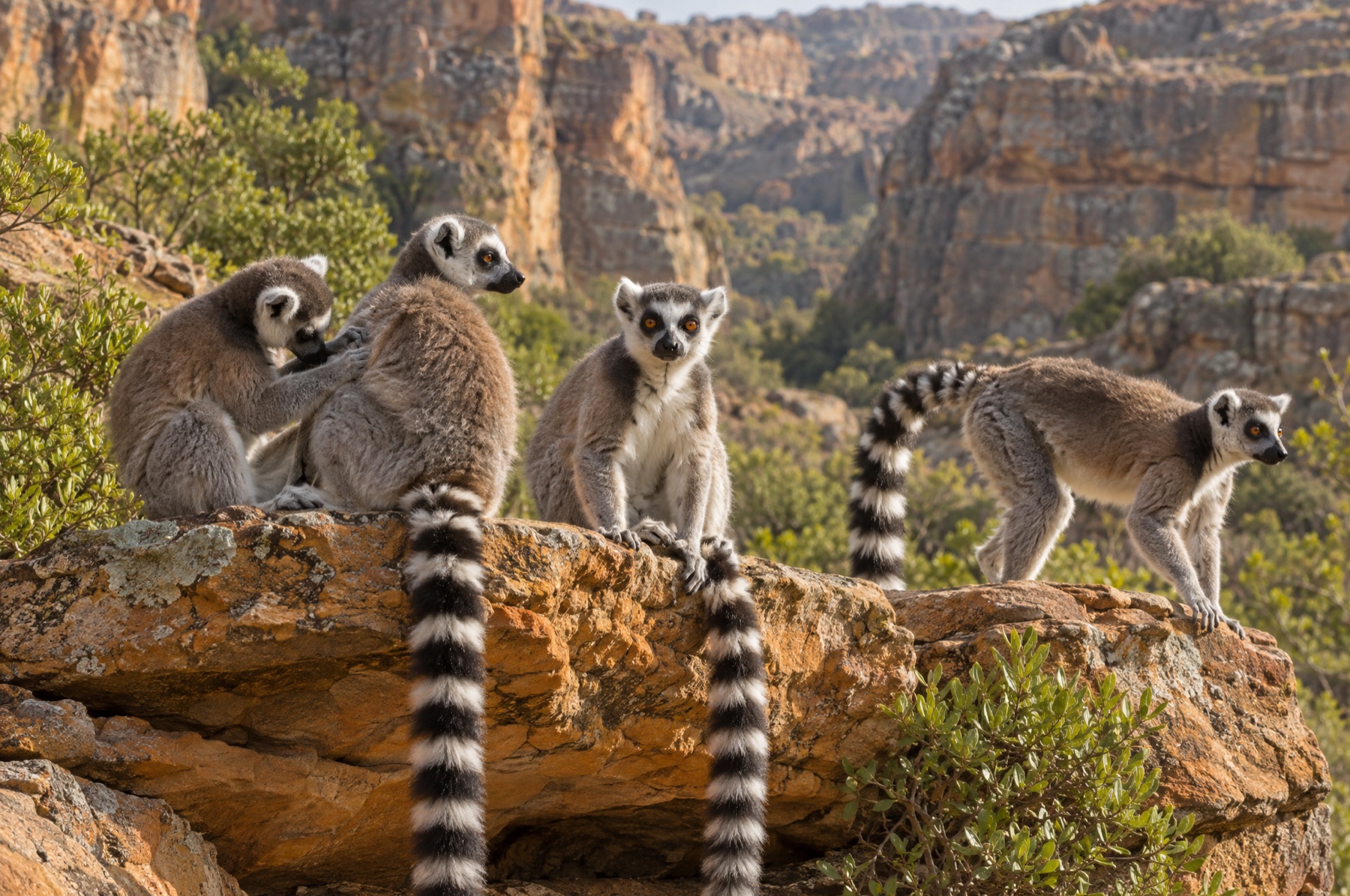
The South: Isalo and the Spiny Forest
Canyons, sandstone and ring-tailed lemurs
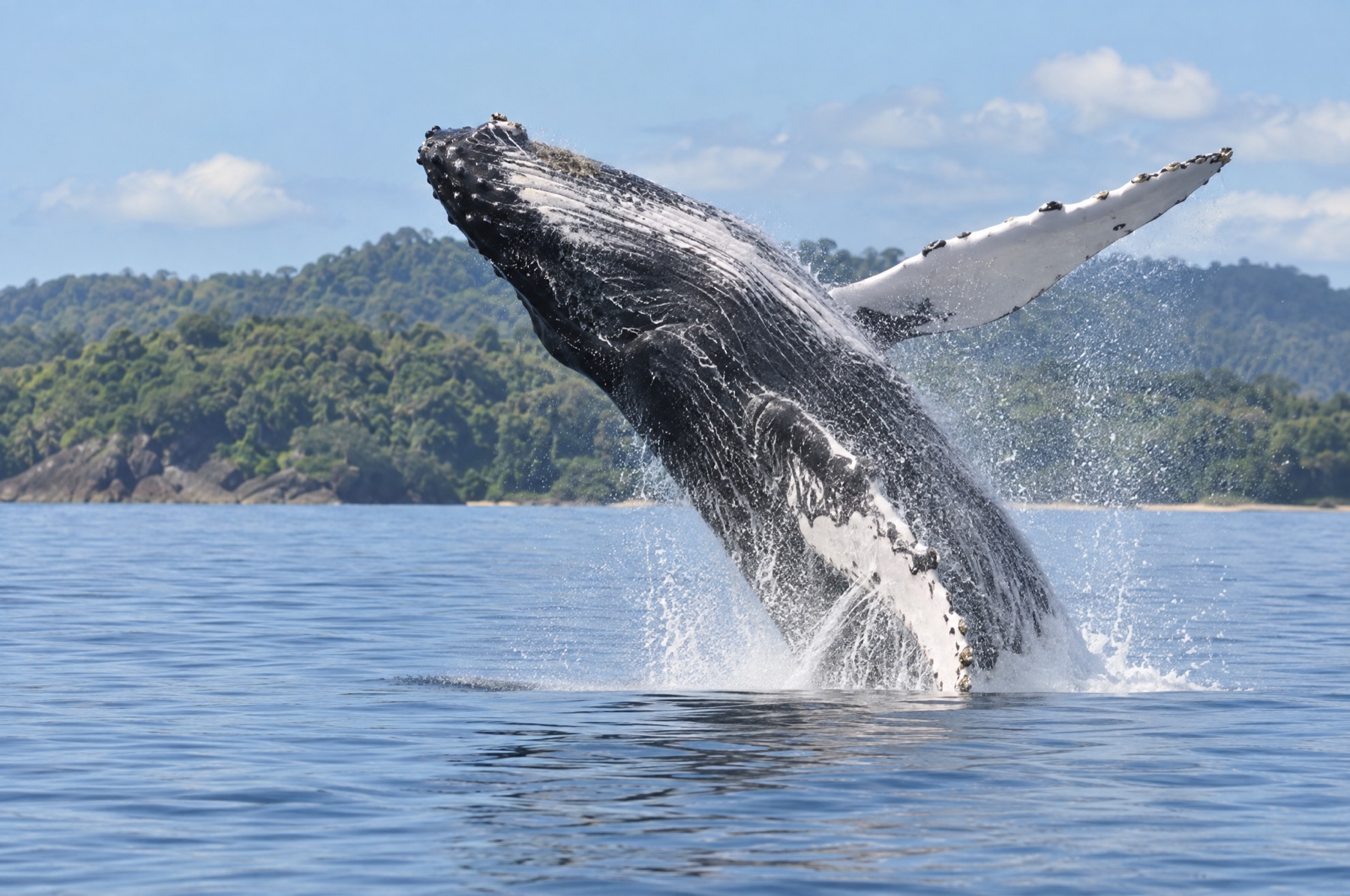
The East Coast: Sainte-Marie
Humpback whales, July to September
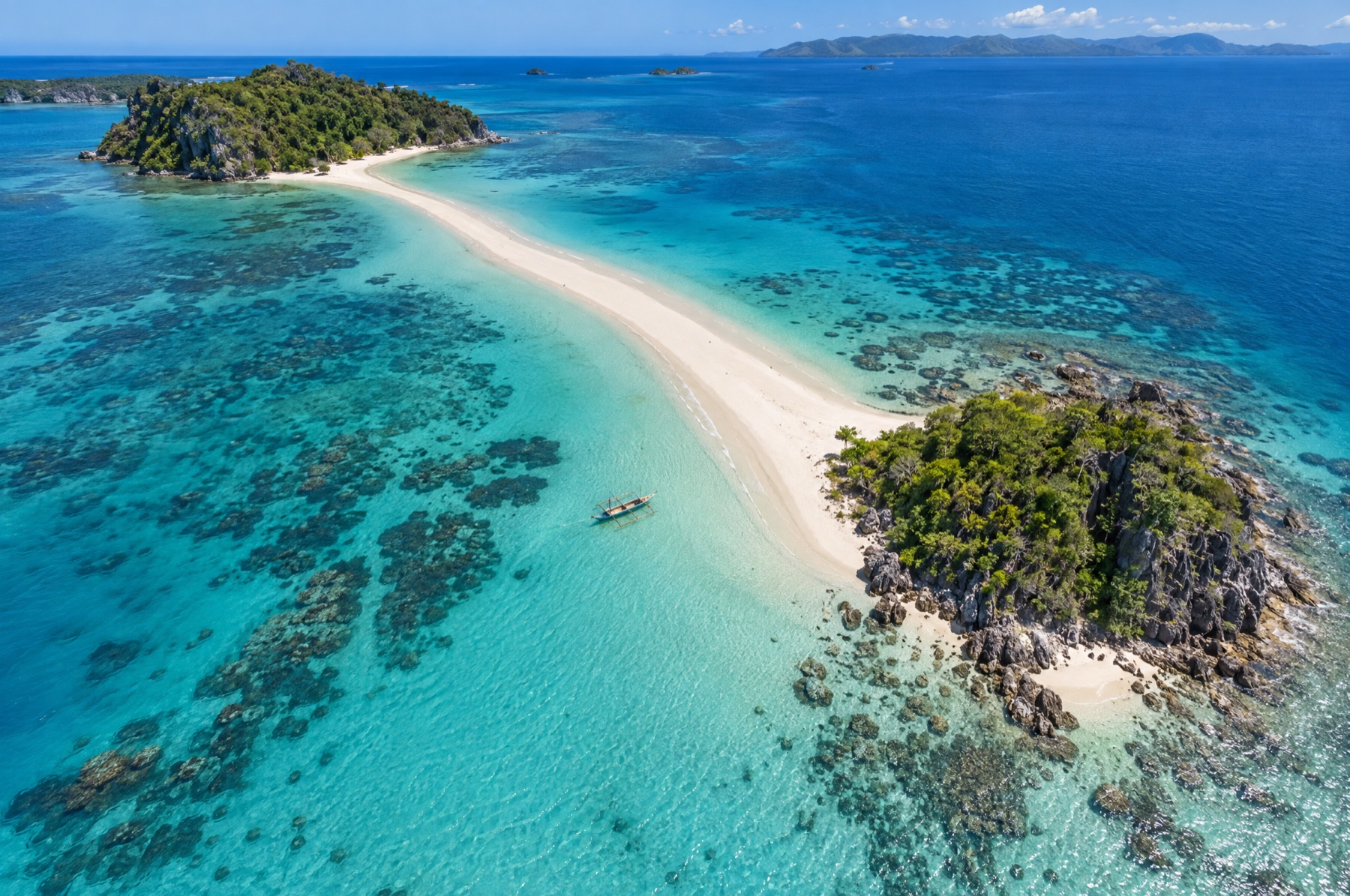
The island at the end of the world.
A morning in the rainforest listening for the indri, whose call carries for miles and sounds like nothing on earth. An afternoon at the Avenue of the Baobabs as the sun drops behind trees older than any cathedral. A week on an island where the reef starts at the beach.
Madagascar doesn't fit a set route. We build the trip around what you most want to see, then give it the time it needs.
When to go.
Madagascar has a wet summer with cyclones and a dry, cooler winter. April to November is the window, and September to November is the best of it.
April and May are green and quiet after the rains. June to August is dry and cool, the whales arrive off Sainte-Marie in July, and it's peak season for European visitors. September to November is the sweet spot: warm, dry, baby lemurs everywhere, and the jacarandas in bloom. December to March is hot, wet and cyclone-prone; roads wash out and many lodges close.
How long, and what it costs.
How Long You Need
Ten nights is the minimum for two regions with the flights between them. Fourteen for three. Madagascar rewards patience and punishes rushing; give it time or leave it for another trip.
Roughly What It Costs
Our trips run from about $350 to $2,500 per person per day, and Madagascar spans it: the characterful lodges inland are modest, and the island lodges on the coast are among the most exclusive in the Indian Ocean. Where you land depends on the places you choose to stay. See what affects your budget.
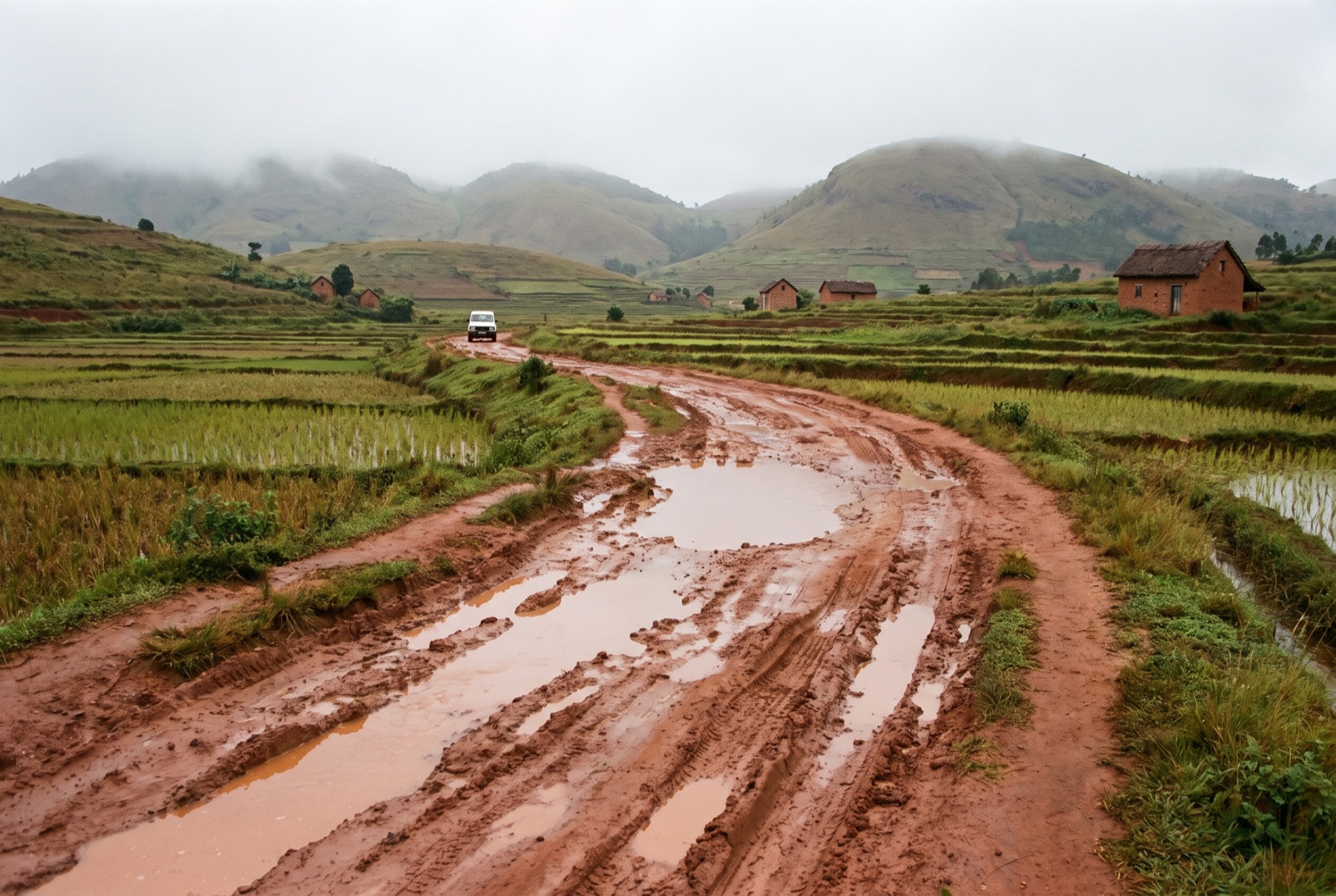
Honest about the rough edges.
Madagascar is not easy. Internal flights change schedule, drives are long, and outside the top lodges the standard is simple. We say that up front because the people who love this country are the ones who arrived expecting it.
What they get in return is a place that feels undiscovered, wildlife found nowhere else, and beaches with nobody on them. For the right traveler, it's the best trip they ever take.
Who it suits.
Nature Lovers
Lemurs, chameleons, orchids, baobabs, humpback whales. If wildlife you've never seen excites you more than wildlife you've seen on television, this is your island.
Experienced Travelers
People who've done the safari classics and want somewhere genuinely different, and who don't mind a bumpy road to get there.
Divers and Beach Purists
The reefs off Nosy Be and the north are among the least visited in the Indian Ocean, and the island lodges are extraordinary.
Not For
Anyone who wants the polish and predictability of a Botswana camp, or a first trip to Africa. We'll tell you honestly if it isn't the right fit.
Three shapes a trip to Madagascar can take.
These are starting points, not packages. We change any of them to suit the people going.
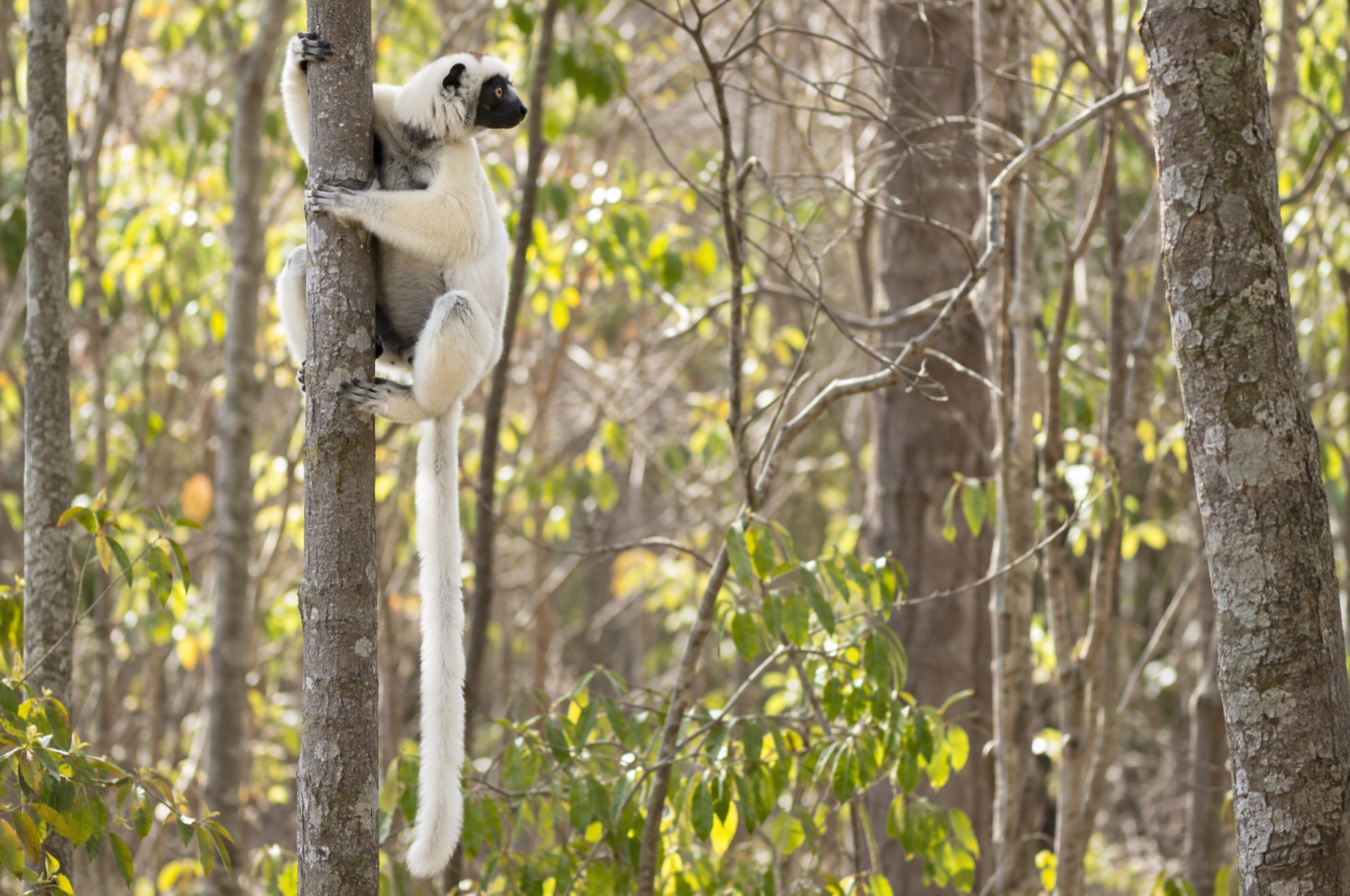
Rainforest and Baobabs
Andasibe's lemurs, then the west coast and the Avenue of the Baobabs. Ten nights of the island's two great sights.
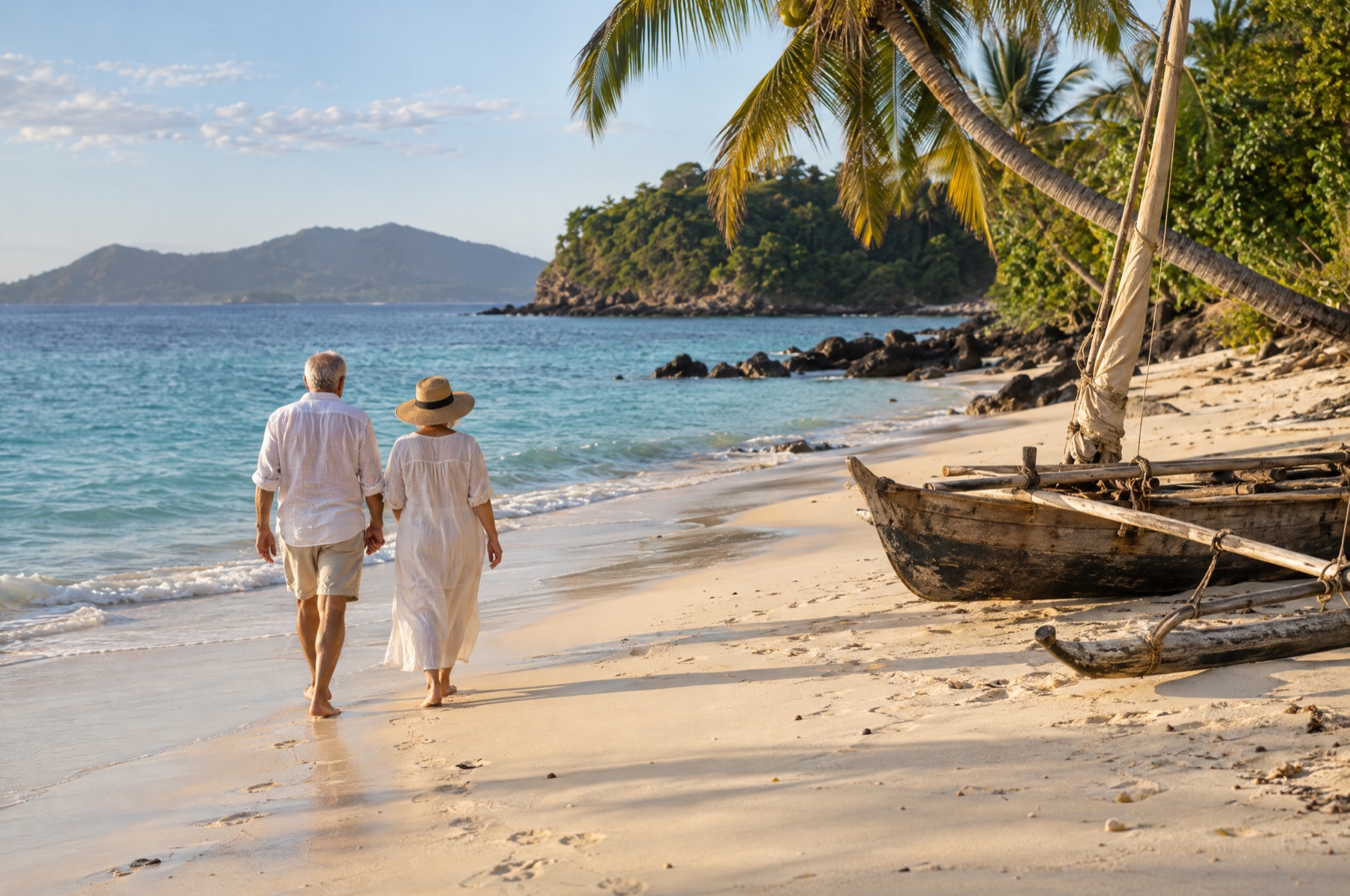
Lemurs and the Islands
The eastern rainforest, then a week on the northern islands. Wildlife first, then the best beaches in the Indian Ocean.
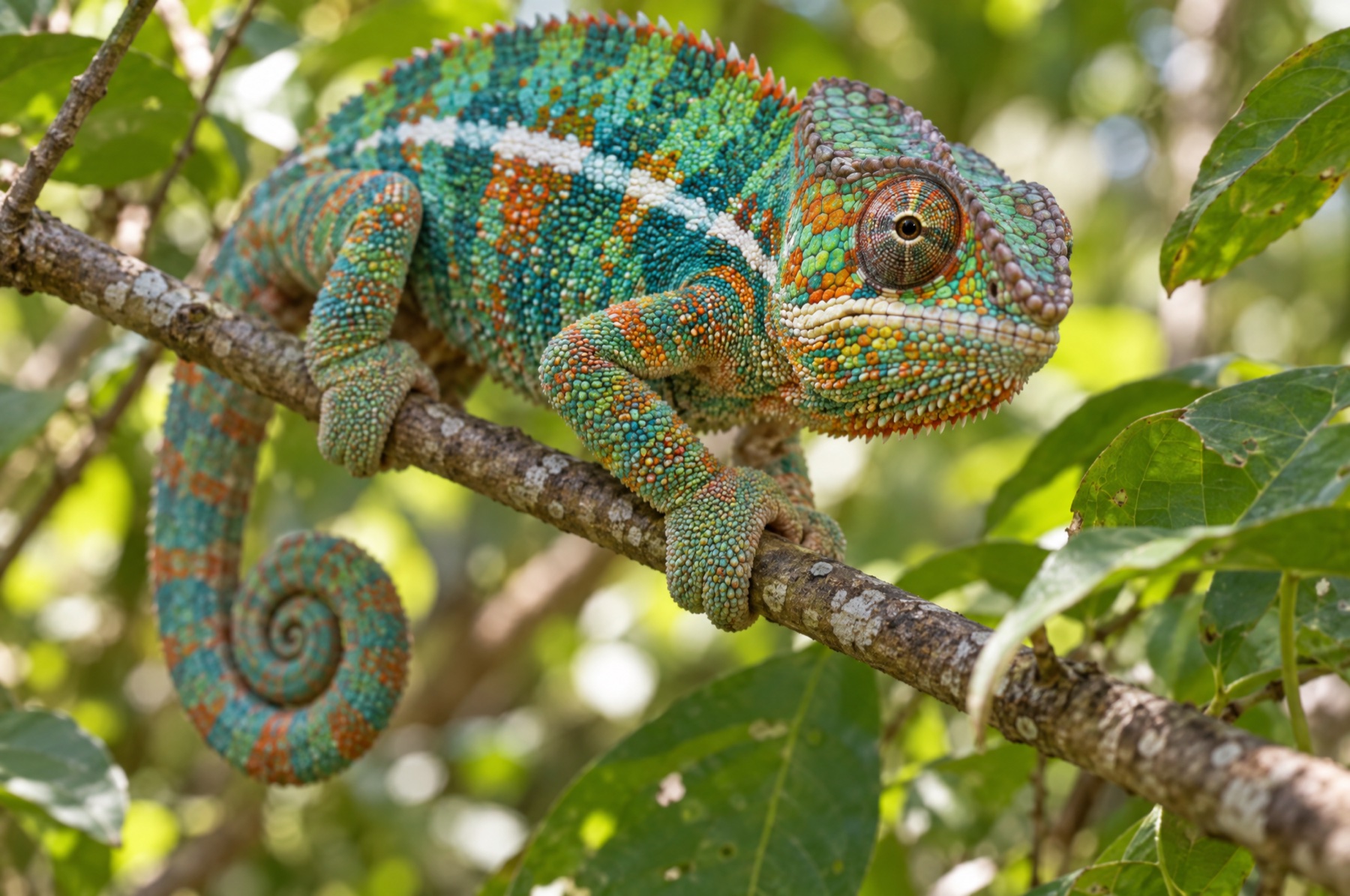
Madagascar After a Safari
Fly from Nairobi or Johannesburg for a week of lemurs and coast at the end of a mainland trip.
Good to know.
Getting There
No nonstop flights, but several one-stop routes to Antananarivo, through Paris, Nairobi, Addis Ababa, Johannesburg or the Gulf. We'll find the connection that fits your dates. Internal flights link the regions.
Entry
US and Canadian passports get a visa on arrival for stays up to 30 days, paid at the airport; an online version is also available. We'll confirm the current fee.
Money
The Malagasy ariary. Cash is essential outside the main lodges, and euros are more useful than dollars for changing. Cards work in the capital and the top hotels.
Health
Malaria is present across the country, worst on the coasts. Your doctor or a travel clinic will advise on tablets. Bring everything you might need; pharmacies are thin outside the capital.
Entry rules, health advice and airline schedules change. We confirm all of it for your dates before you book.
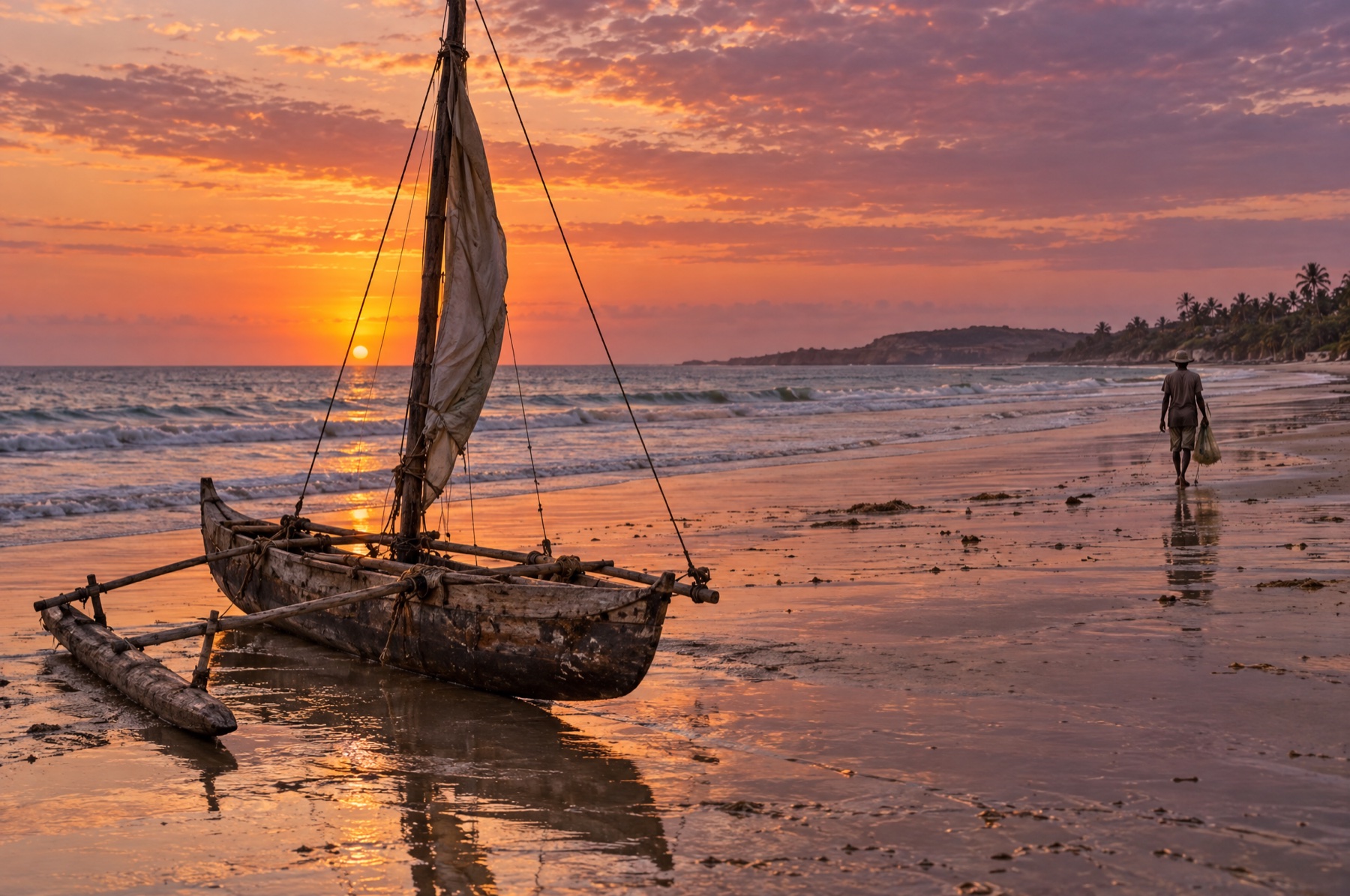
Plan your trip to Madagascar.
Tell us what draws you to it, the wildlife or the coast, and we'll tell you honestly what it takes and what it gives back.
Start Planning Your TripPrefer to talk? Call +1 512 844 5281.